"If you love Barbie, this movie is for you"..."If you hate Barbie, this movie is for you."
Apparently, there seem to be only these two emotional responses to Mattel’s Barbie franchise. That said, these contrasting emotions are likely more closely tied to age differences. Barbie is extremely popular among children—especially girls—but parents are generally reluctant to buy her.
The main controversy here revolves around the unrealistic and often-criticized body image that Barbie portrays. The original Barbie had proportions that, if scaled to a real person, would be considered unhealthy and unattainable. Critics argue that this creates a harmful image for young girls and can lead to a negative body image and even eating disorders.
This love-hate relationship is directly addressed in the aforementioned scene from the movie’s trailer, thereby taking some of the wind out of the sails of those who are critical of the doll—especially since the movie aims to address precisely what has often been criticized.
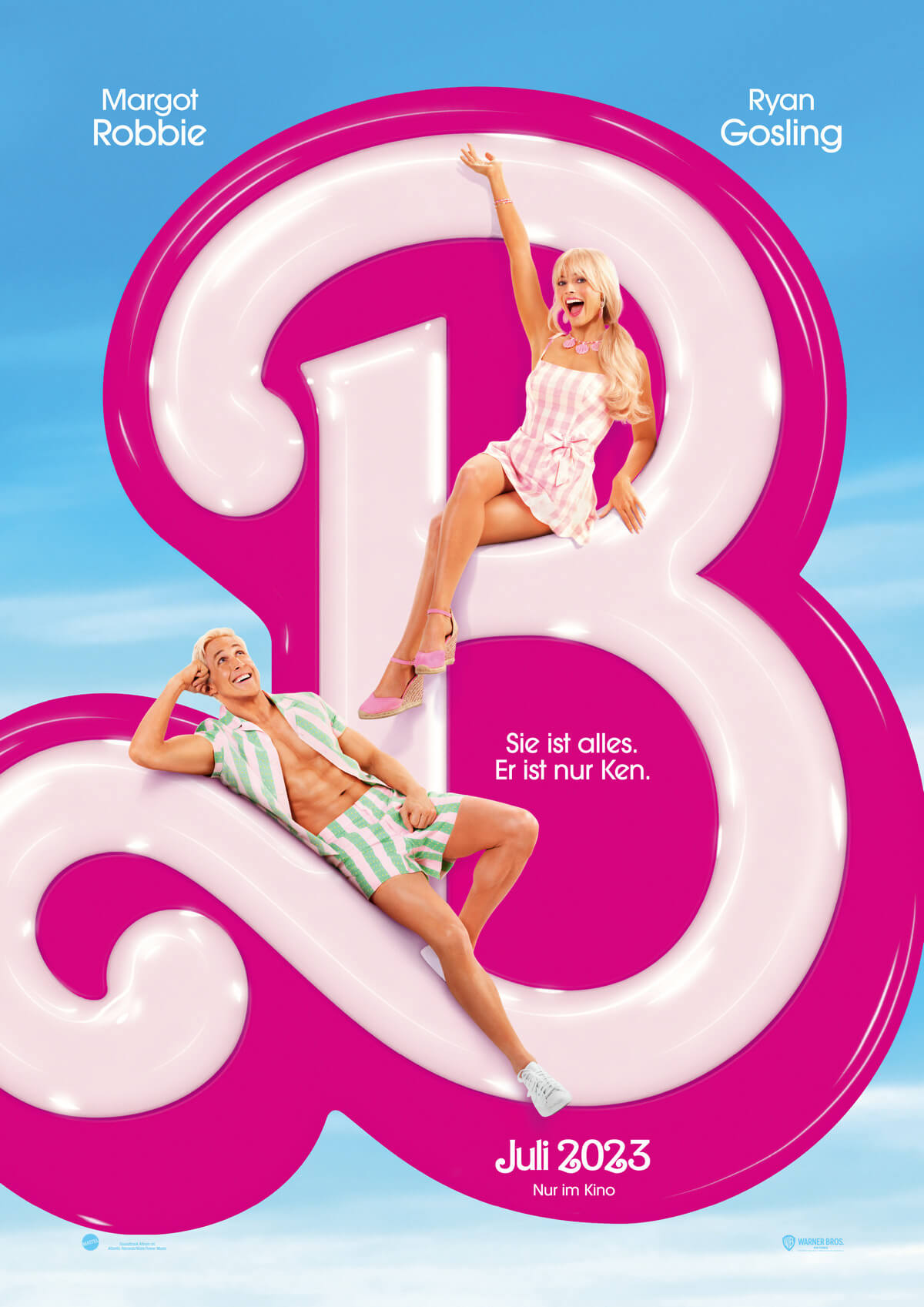
With the Barbie movie, which opens on July 20, Mattel’s world-famous franchise is getting its first live-action adaptation.
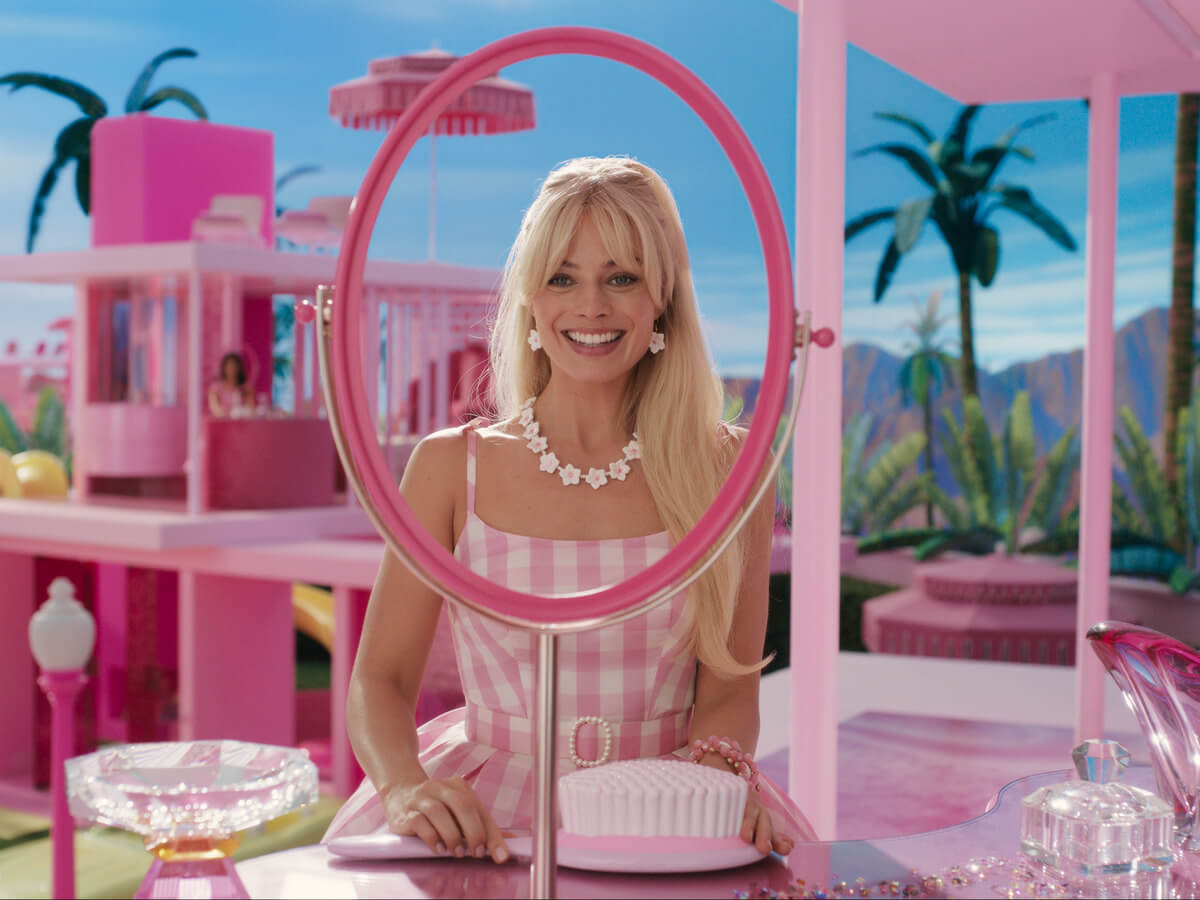
In the film, the beloved doll character is banished from her home, Barbie Land, because she doesn’t meet the prescribed standards of perfection.
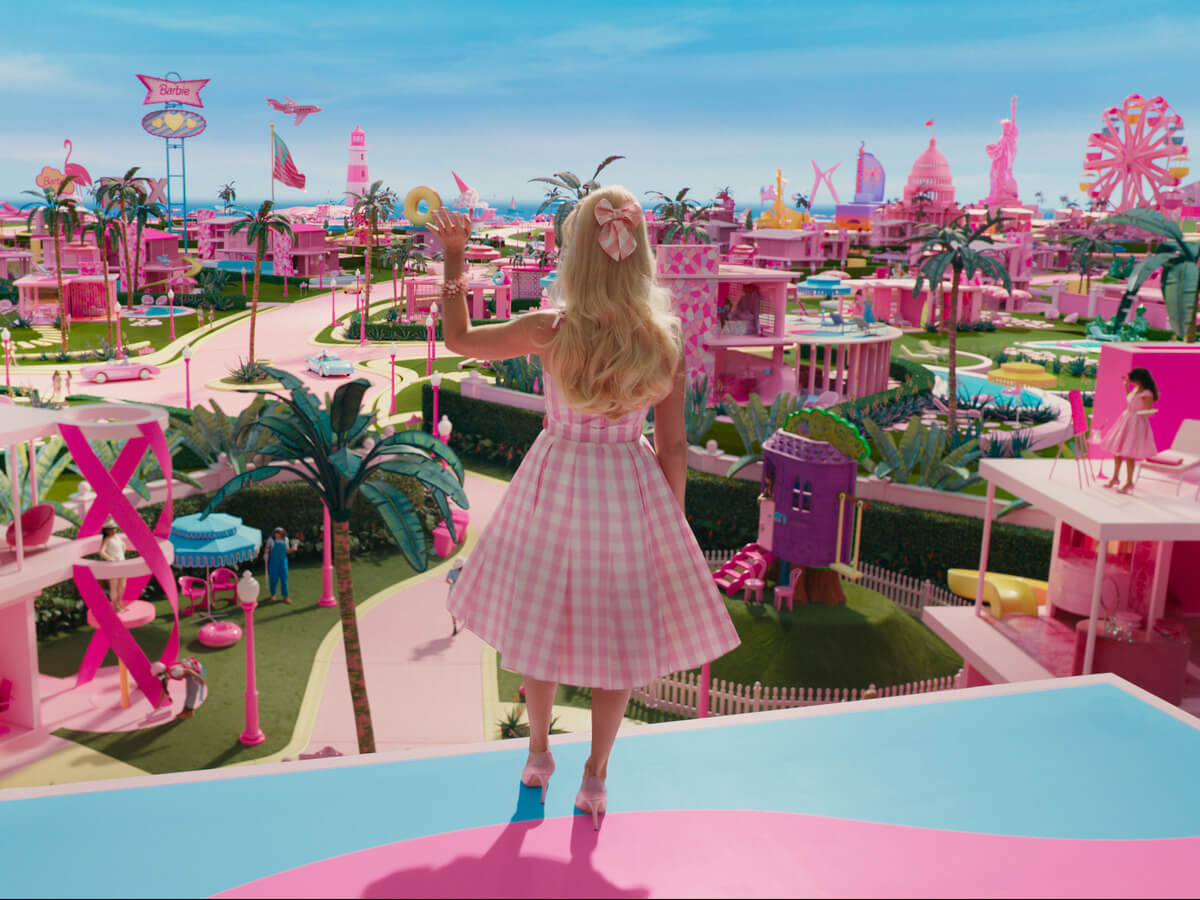
Together with Ken, she embarks on an adventurous journey into the real world—an environment that holds not only exciting new experiences but also unexpected dangers.
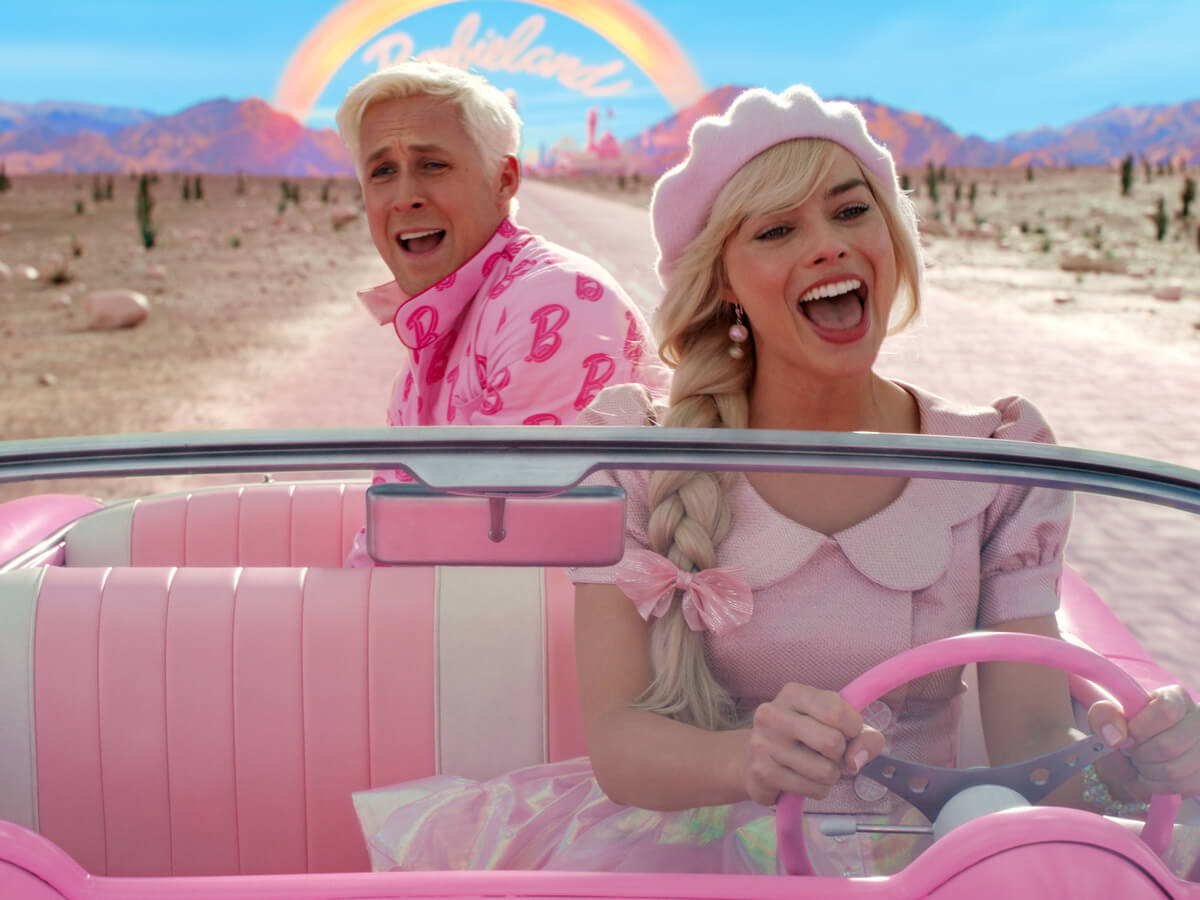
Over the course of her adventure, however, Barbie discovers the true meaning of perfection—it isn’t found on the outside,
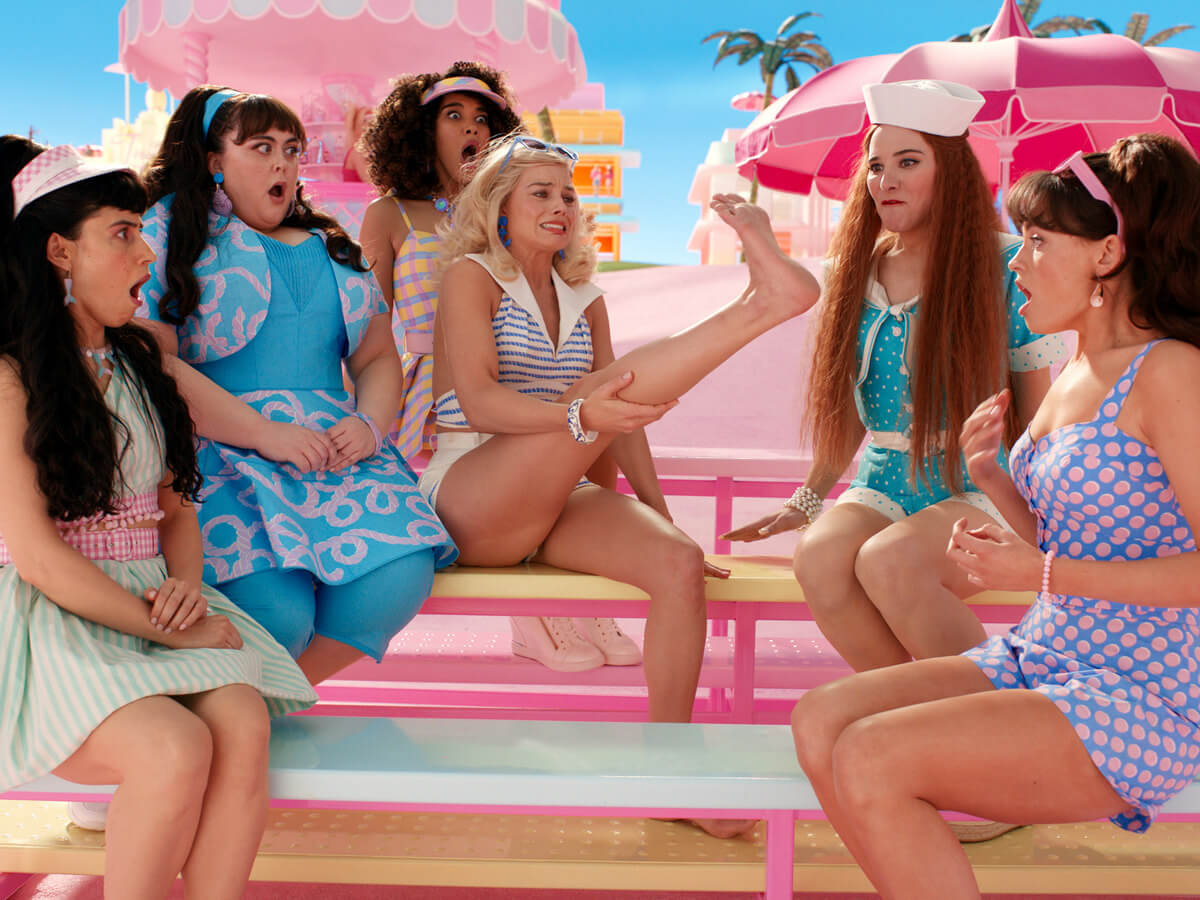
but lies in the inner beauty and individuality of each person. The film promises a captivating story that teaches viewers important lessons about self-acceptance and inner strength.
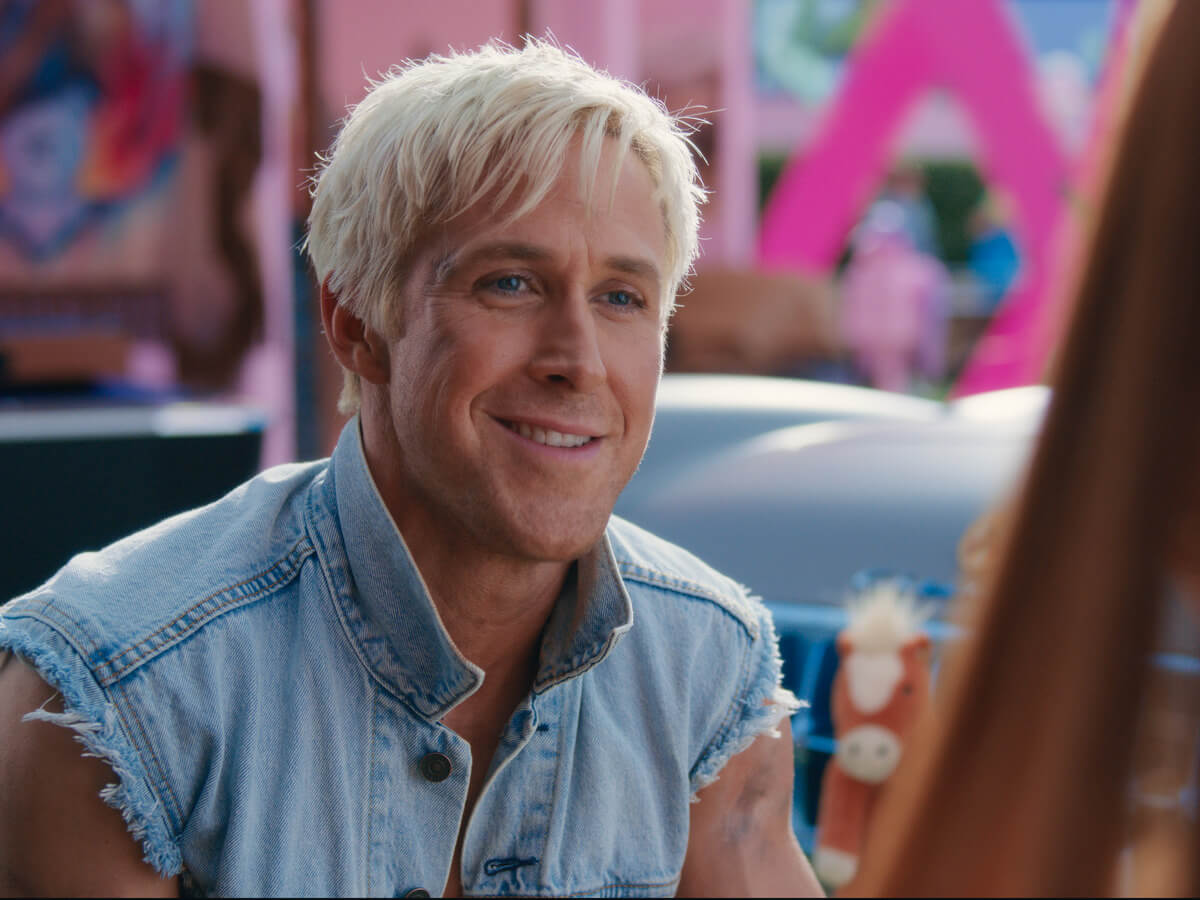
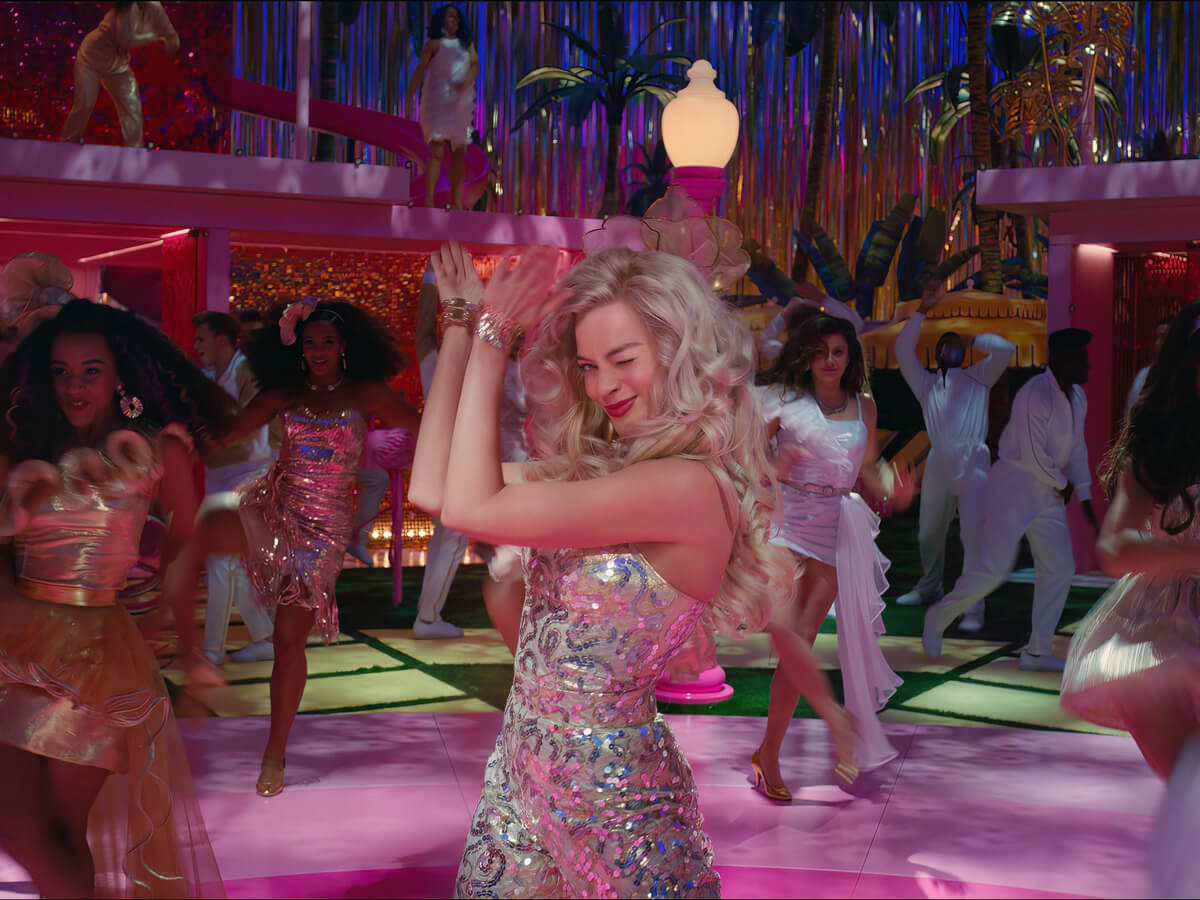
And of course, a live-action Barbie movie also means real shoes.
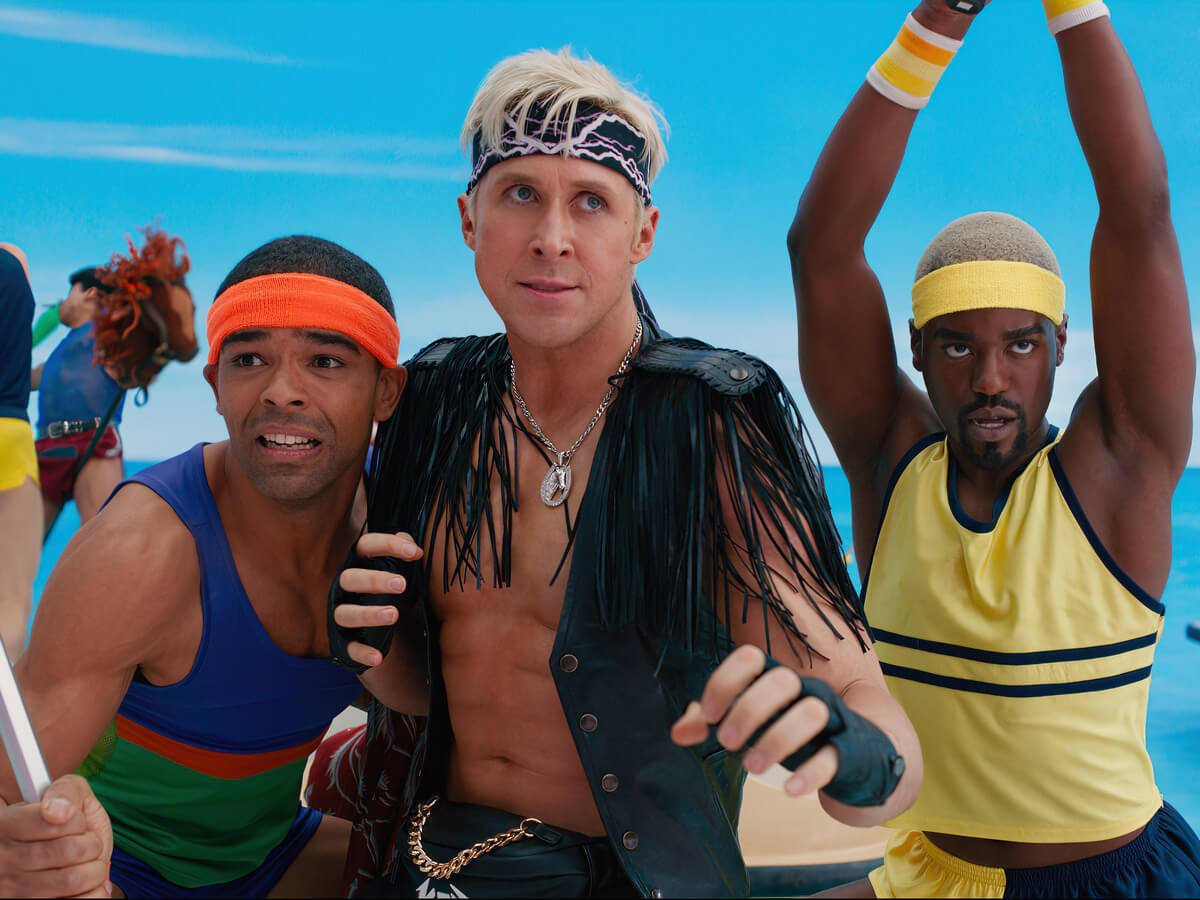
So we decided to explore the topic of Barbie and sneakers—and even discovered a few brands we wouldn’t have expected.
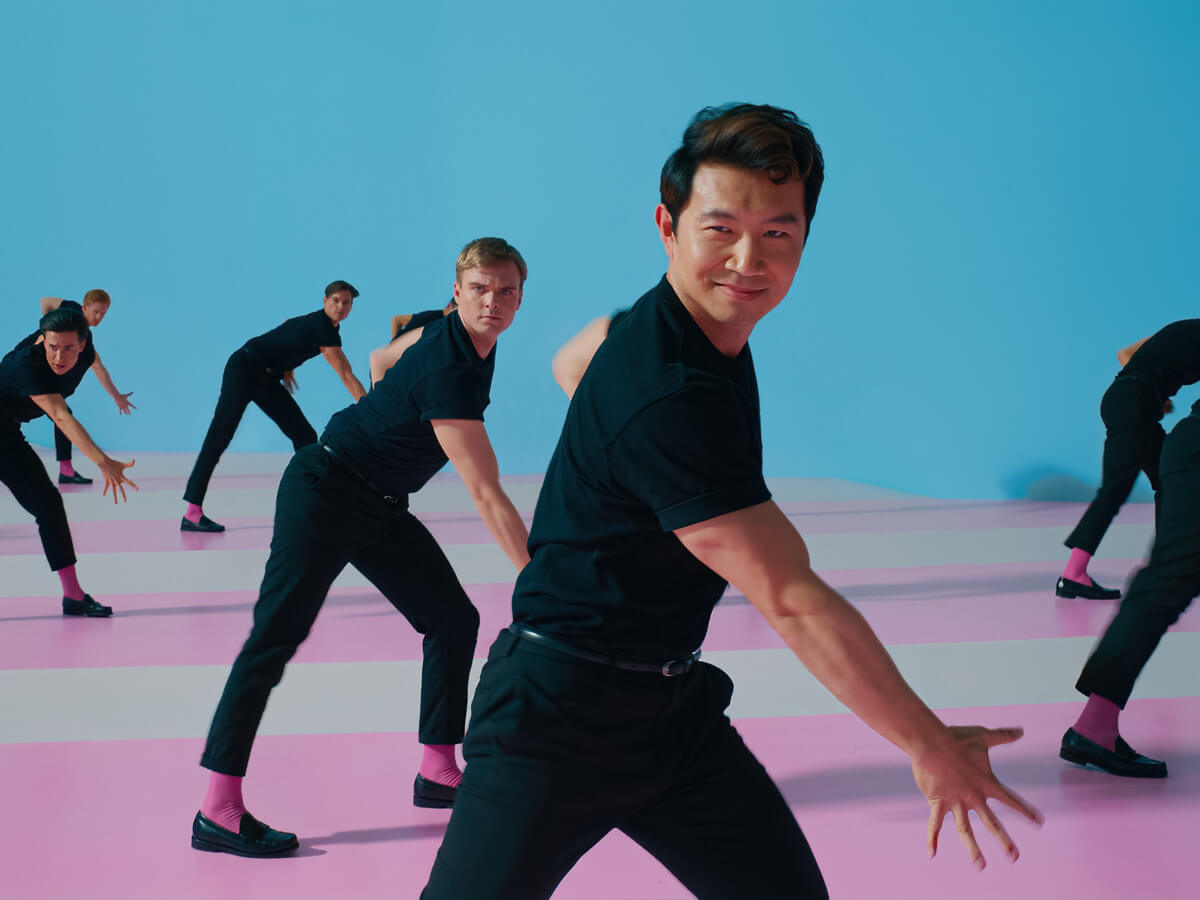
The typical shoes worn by a Barbie or Ken doll are usually small, miniature plastic slippers without any branding.
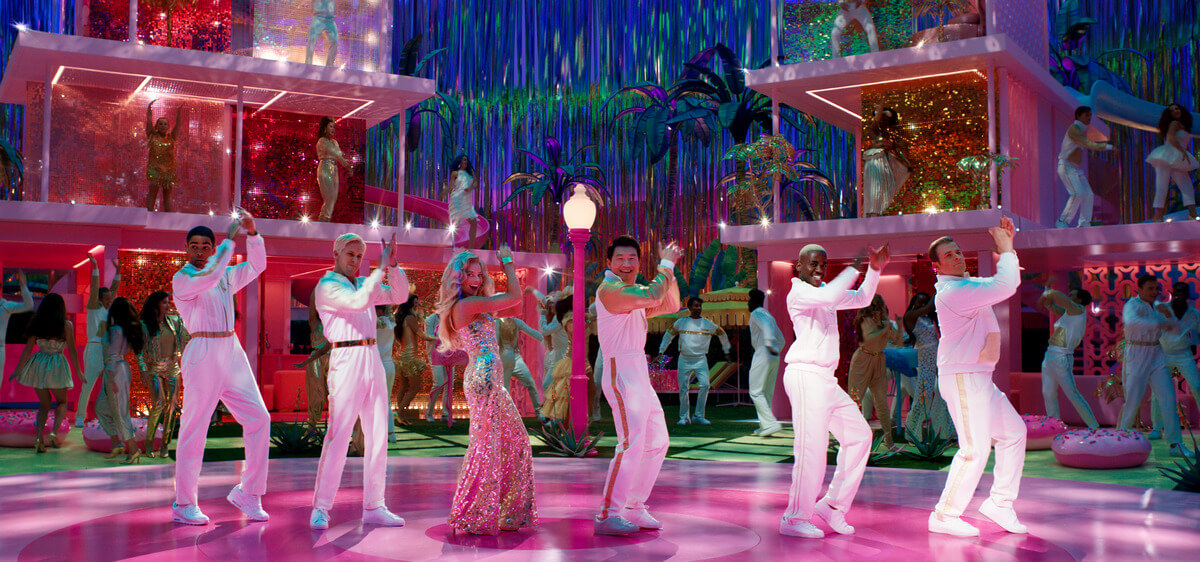
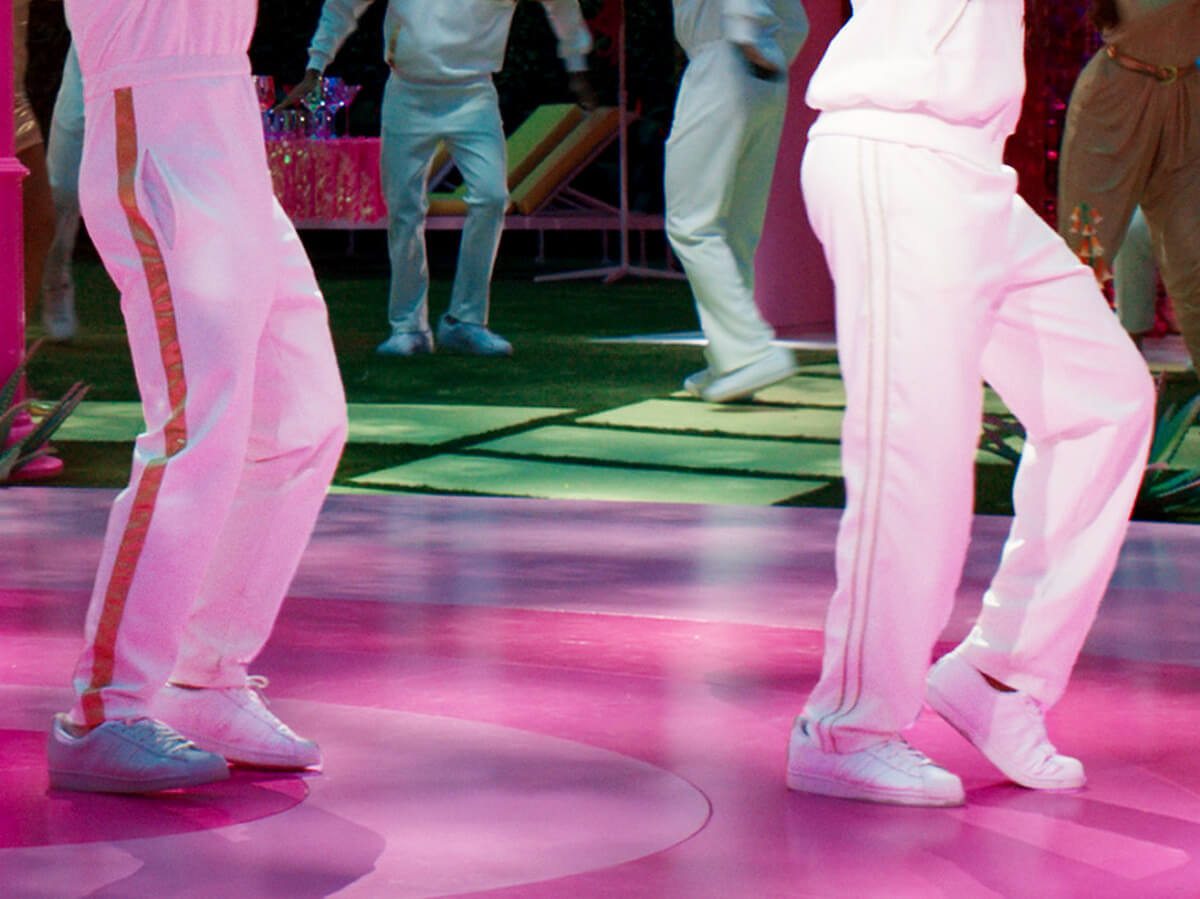
So, in the first “promotional photos” for the movie, we looked for models used in the live-action adaptation—and we found them:
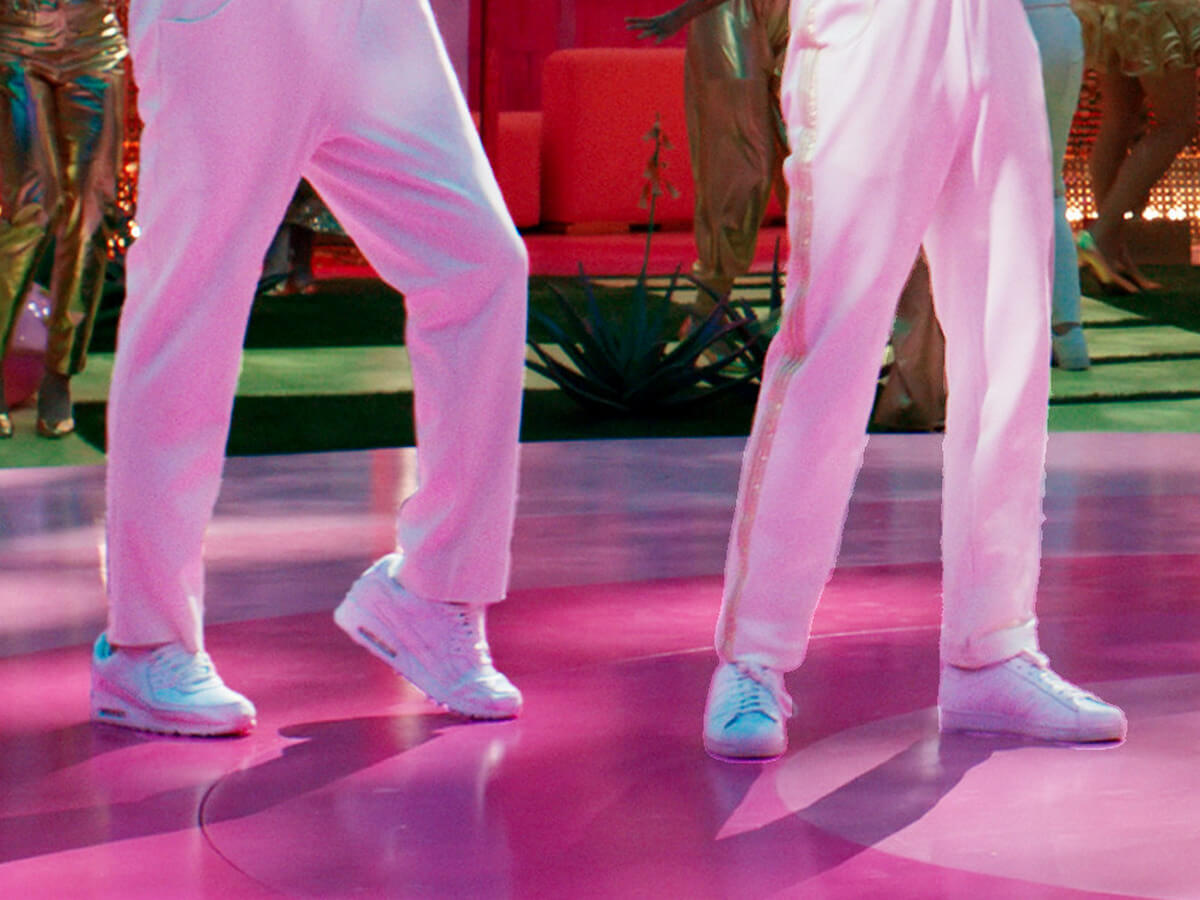
Apparently, adidas and Nike contributed “Triple White” versions of their Superstar and Air Max 90 models for a dance scene in the film.
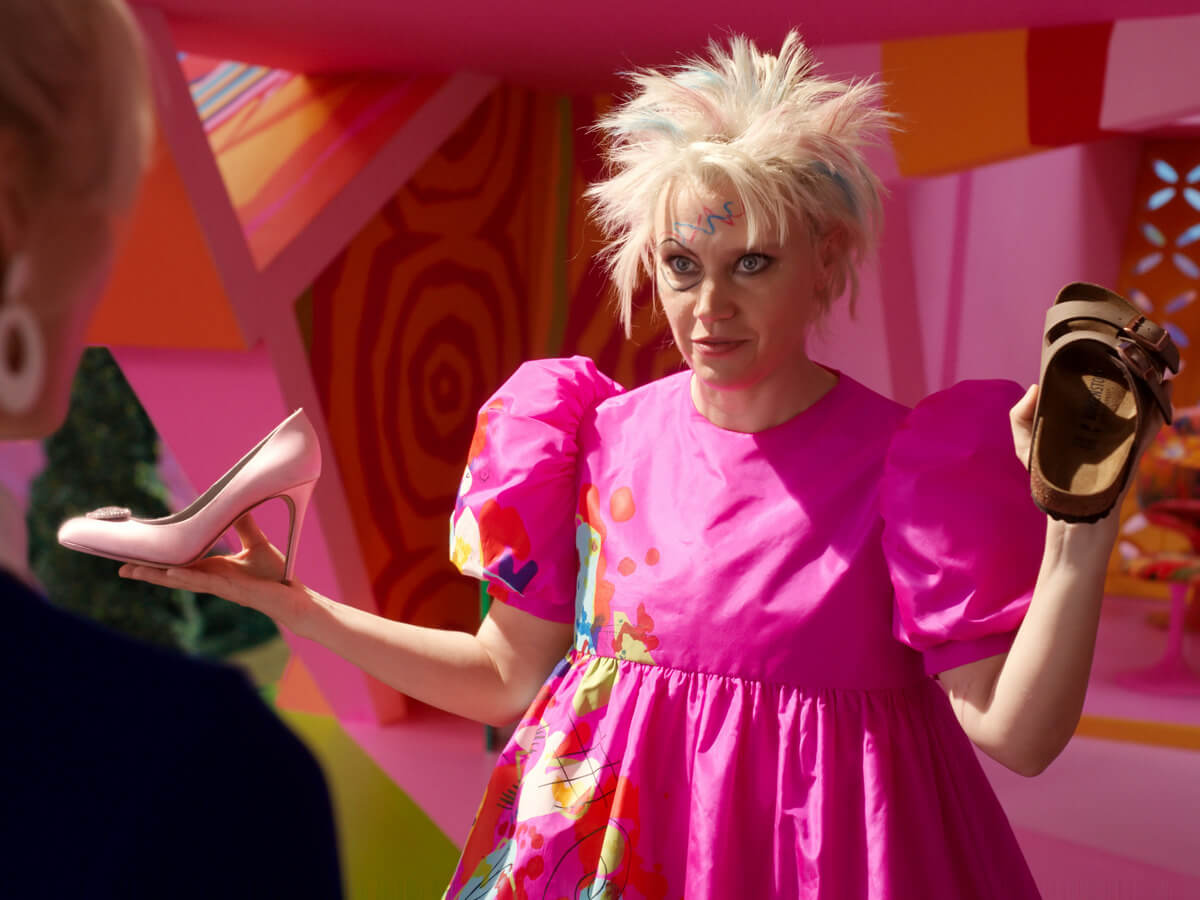
In another scene in the movie, lead actress Margot Robbie has to choose between high heels and Birkenstocks. The high heels represent “normal, everyday life” in the Barbie world, while the Birkenstock Arizona symbolizes the “real world”—or, as Kate McKinnon puts it in the scene: “The truth about the universe.”
Incidentally, Kate McKinnon’s role highlights a very interesting facet of playing with Barbie in the children’s room. She humorously portrays a Barbie that has been “destroyed” by a child’s hands—painted in bright colors and given a haircut with a pair of dull scissors.
Barbie’s story begins in 1959. She was invented by Ruth Handler, who was also a co-founder of the American toy manufacturer Mattel, Inc.
She was named after Handler’s daughter, Barbara. From the very beginning, she was conceived as an adult model, which stood in contrast to most dolls of the time, which depicted children.
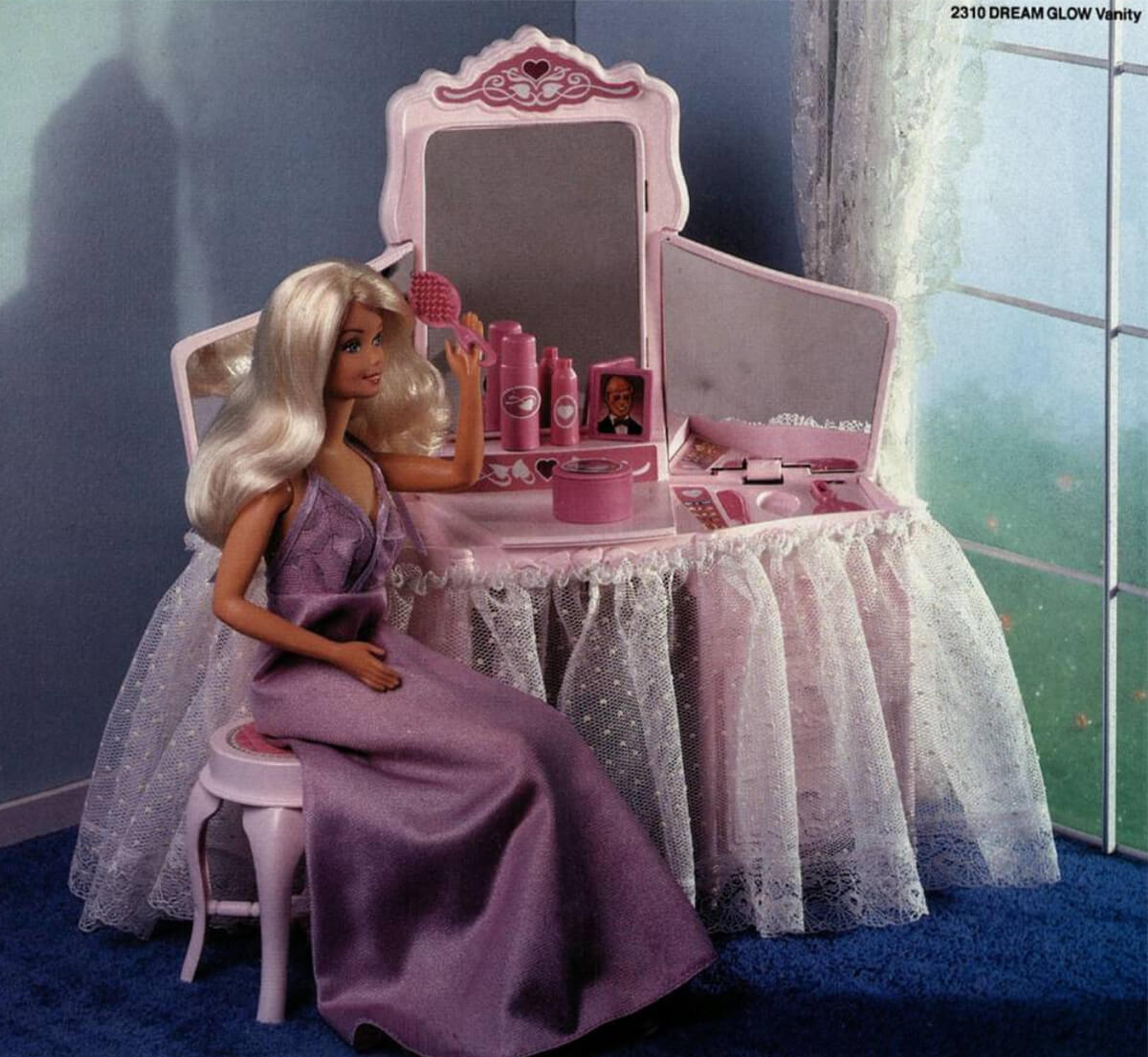
From her debut at the New York Toy Fair in 1959, Barbie was a huge success. Her adult image gave little girls the opportunity to imagine their futures as they played with the doll.
Although Barbie began her career as a fashion doll, over the years she took on many roles, from college student to doctor, from businesswoman to astronaut.
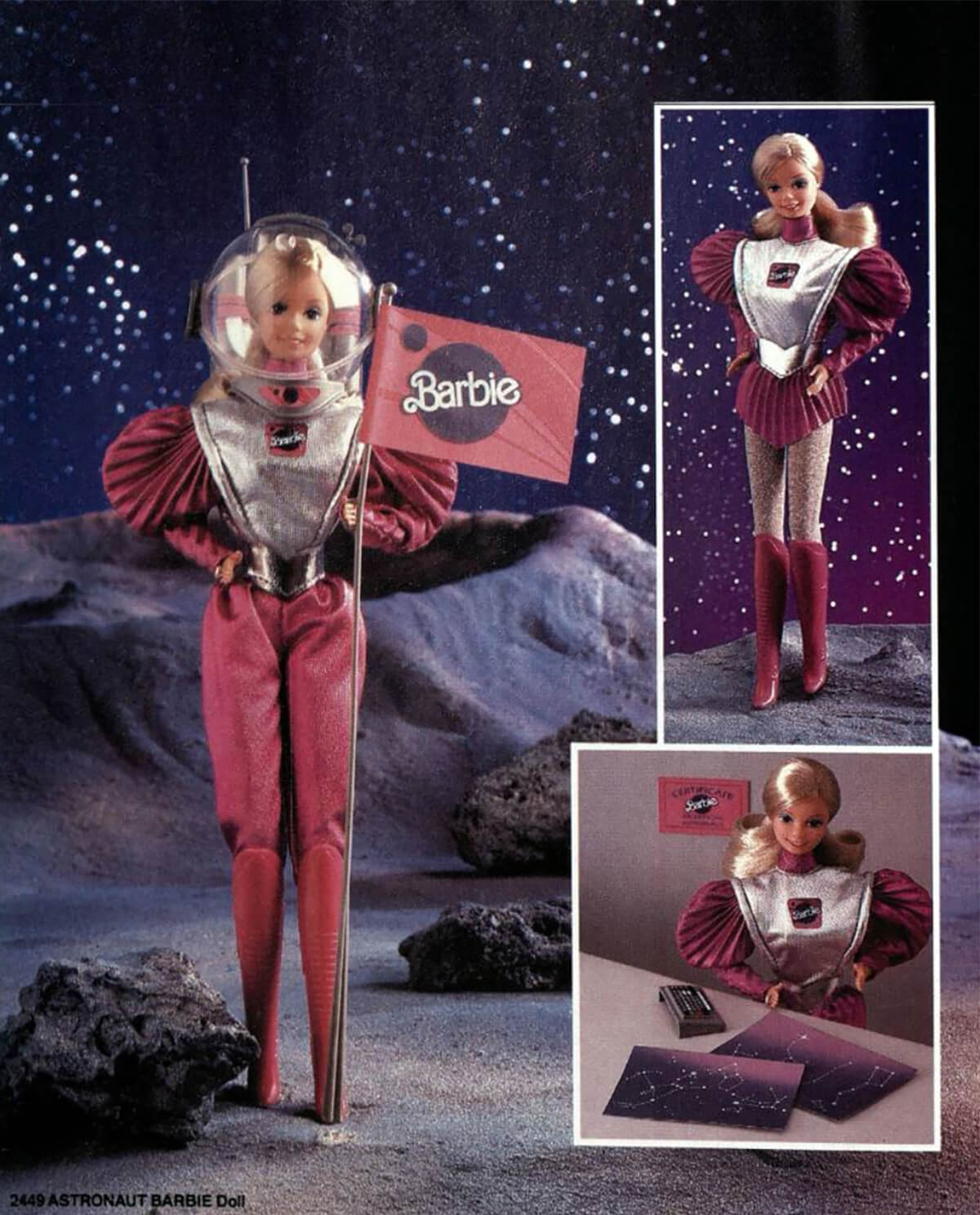
With her sheer presence and popularity in nearly every child’s bedroom, Barbie has also had a profound influence on pop culture itself.
She has been portrayed and parodied in numerous movies, TV shows, songs, and works of art. She has also been at the center of various controversies, often because of her role as a symbol of the image of women in society.
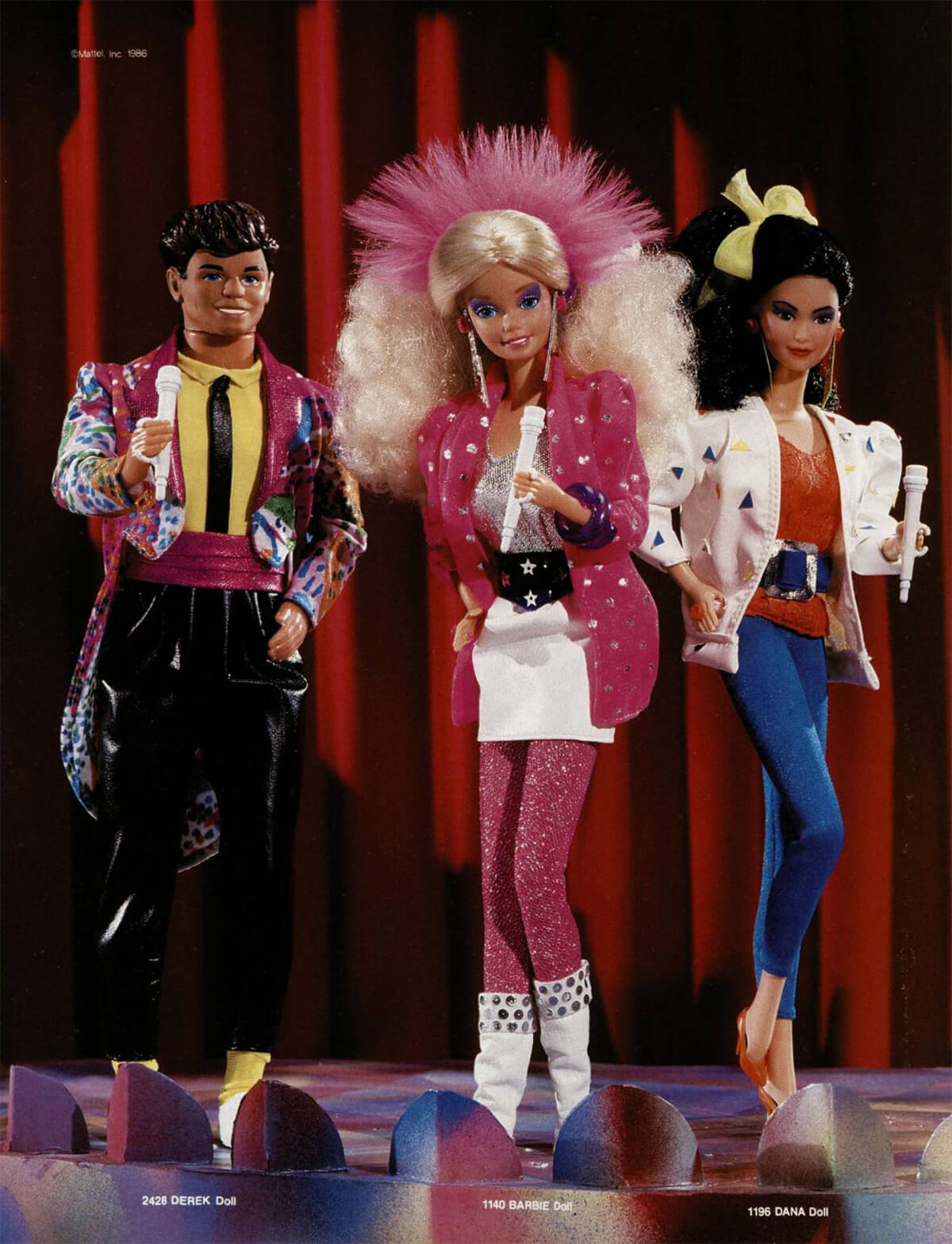
In the 1990s and 2000s, Mattel began to respond to this criticism by slightly altering Barbie’s figure and appearance to convey a healthier body image message.
In recent years, Mattel has actively sought to promote diversity and inclusion in the Barbie line. In 2016, Mattel introduced a completely new line of Barbie dolls, known as “Fashionistas,” which are available in a variety of skin tones, hair types, heights, and body shapes.
These dolls were introduced to reflect the fact that beauty comes in many forms and that girls, regardless of their appearance, have the right to feel represented in the world of Barbie.
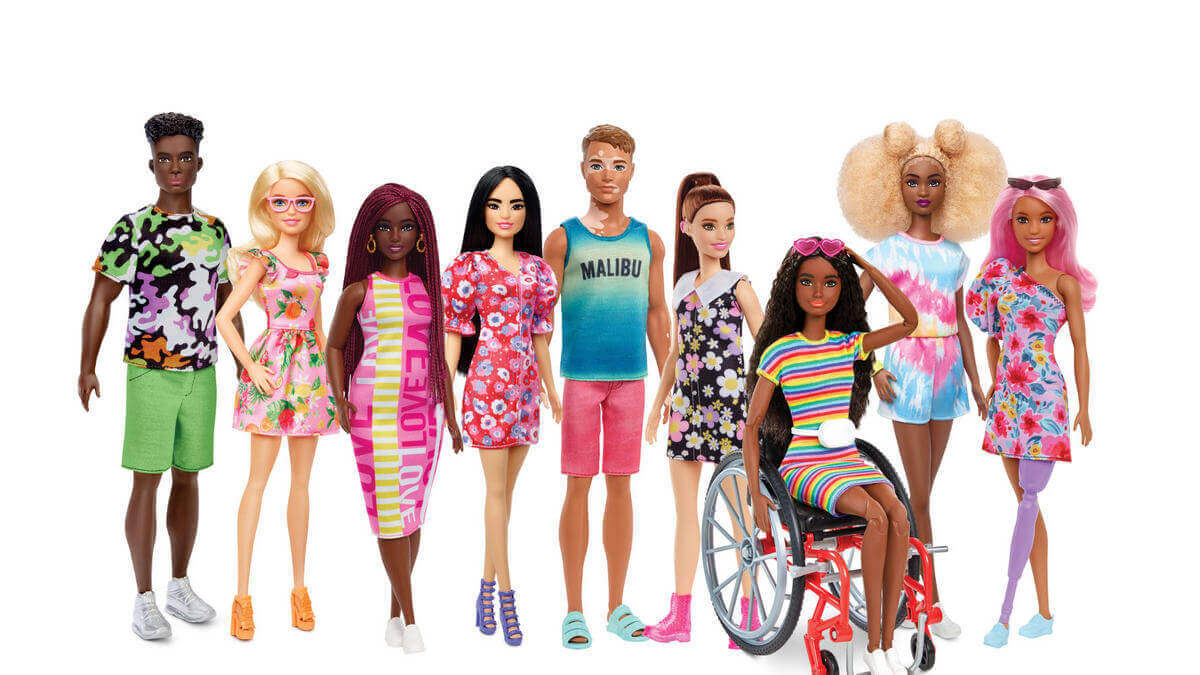
In addition to the diverse body sizes and skin tones, Mattel has also introduced Barbie dolls that depict disabilities, including a doll in a wheelchair and one with a prosthetic limb.
Dolls representing a variety of professions and ethnic backgrounds have also been produced to encourage girls to recognize their dreams and ambitions.
Since her introduction, Barbie has received both praise and criticism, but she has undoubtedly revolutionized the toy industry and remains a cultural phenomenon. Through her constant evolution and adaptations, she has reflected the changing times and society, while continuing to be one of the world’s best-selling toy franchises.
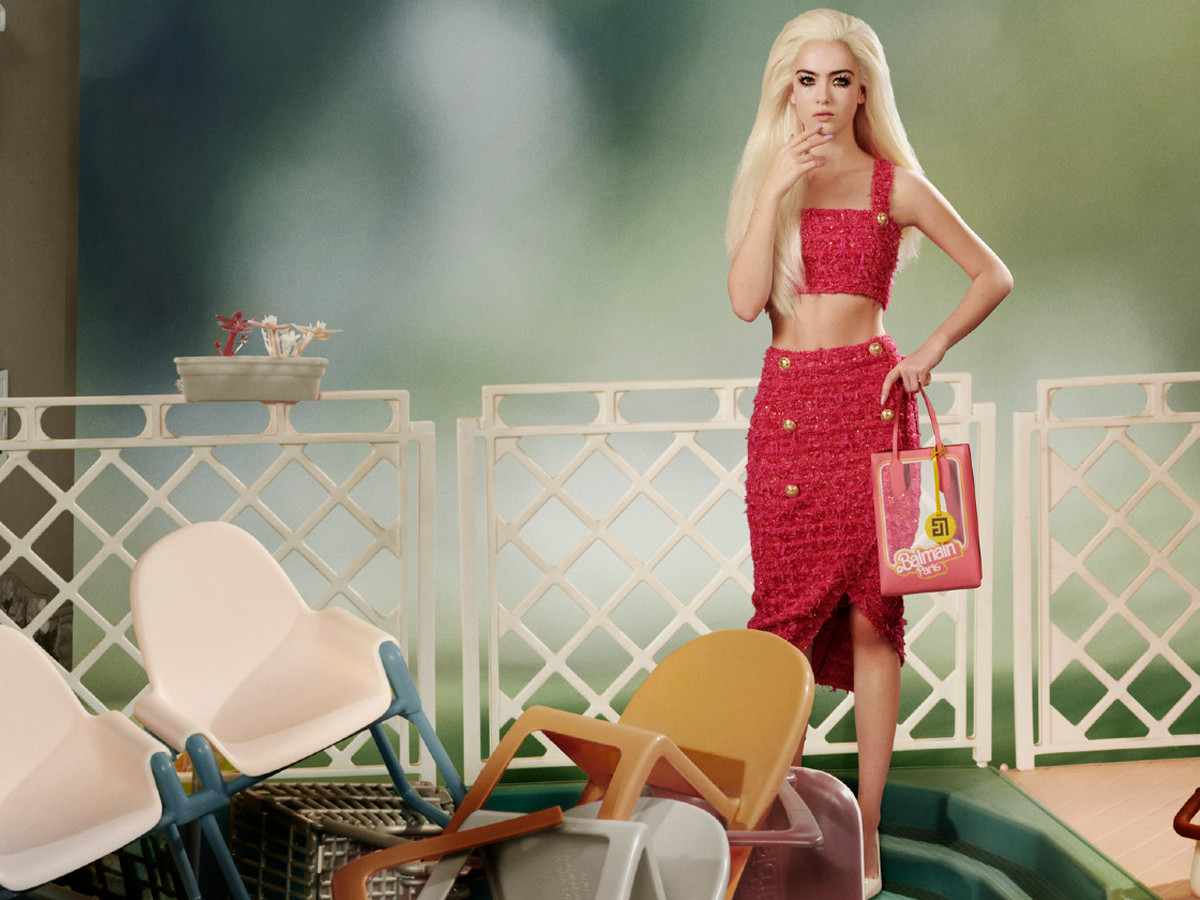
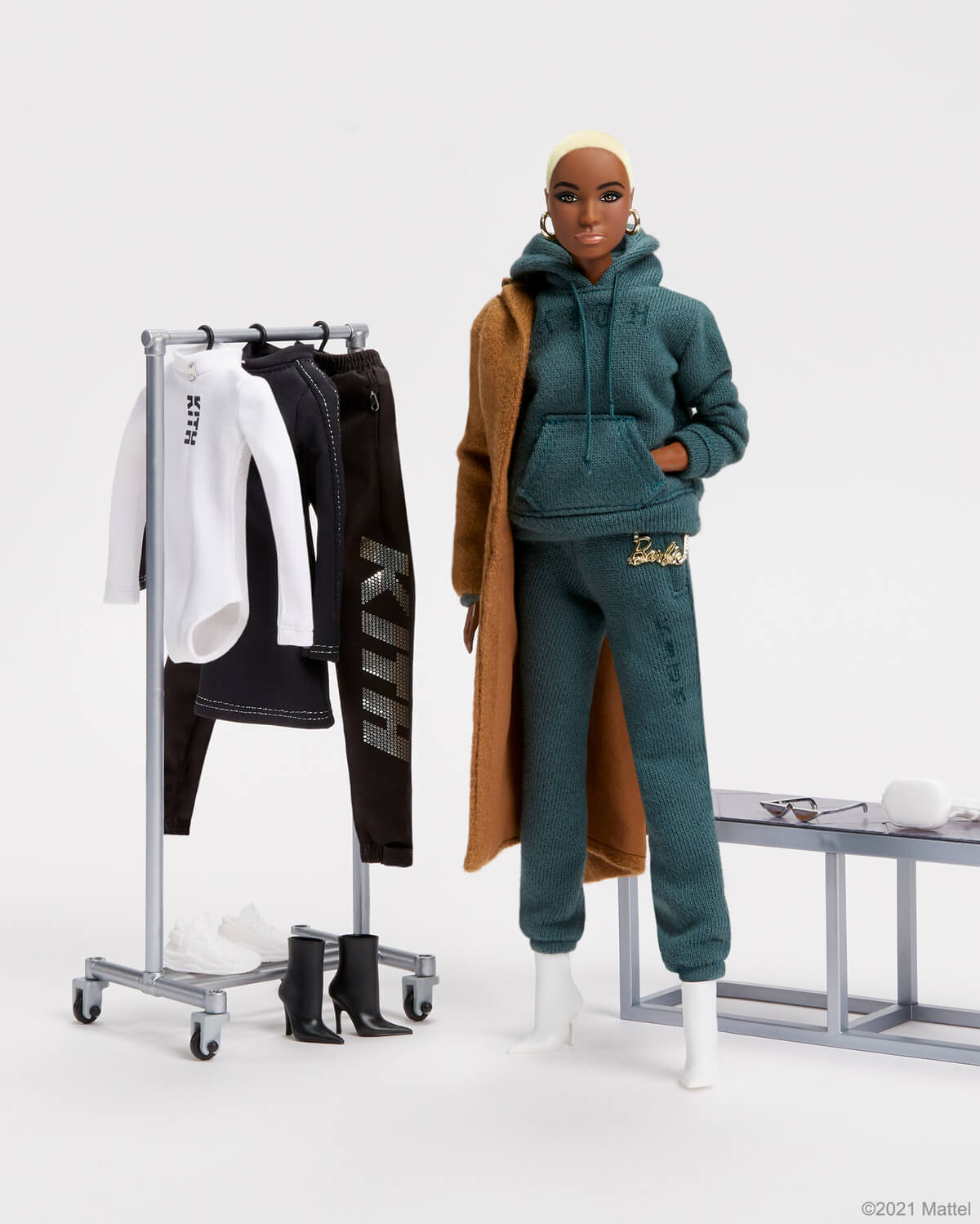
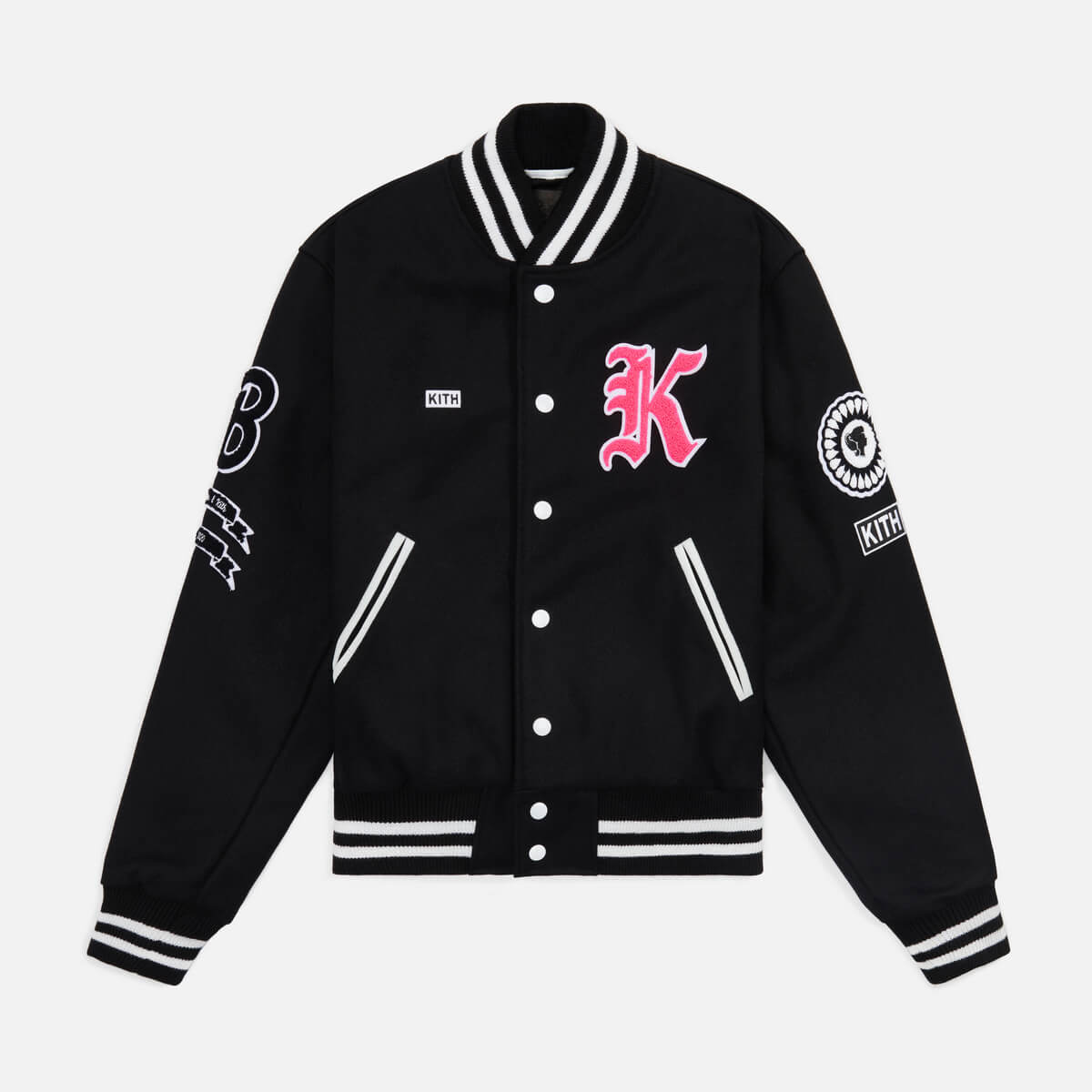
Over the years, many fashion and footwear brands have collaborated with the Barbie brand,
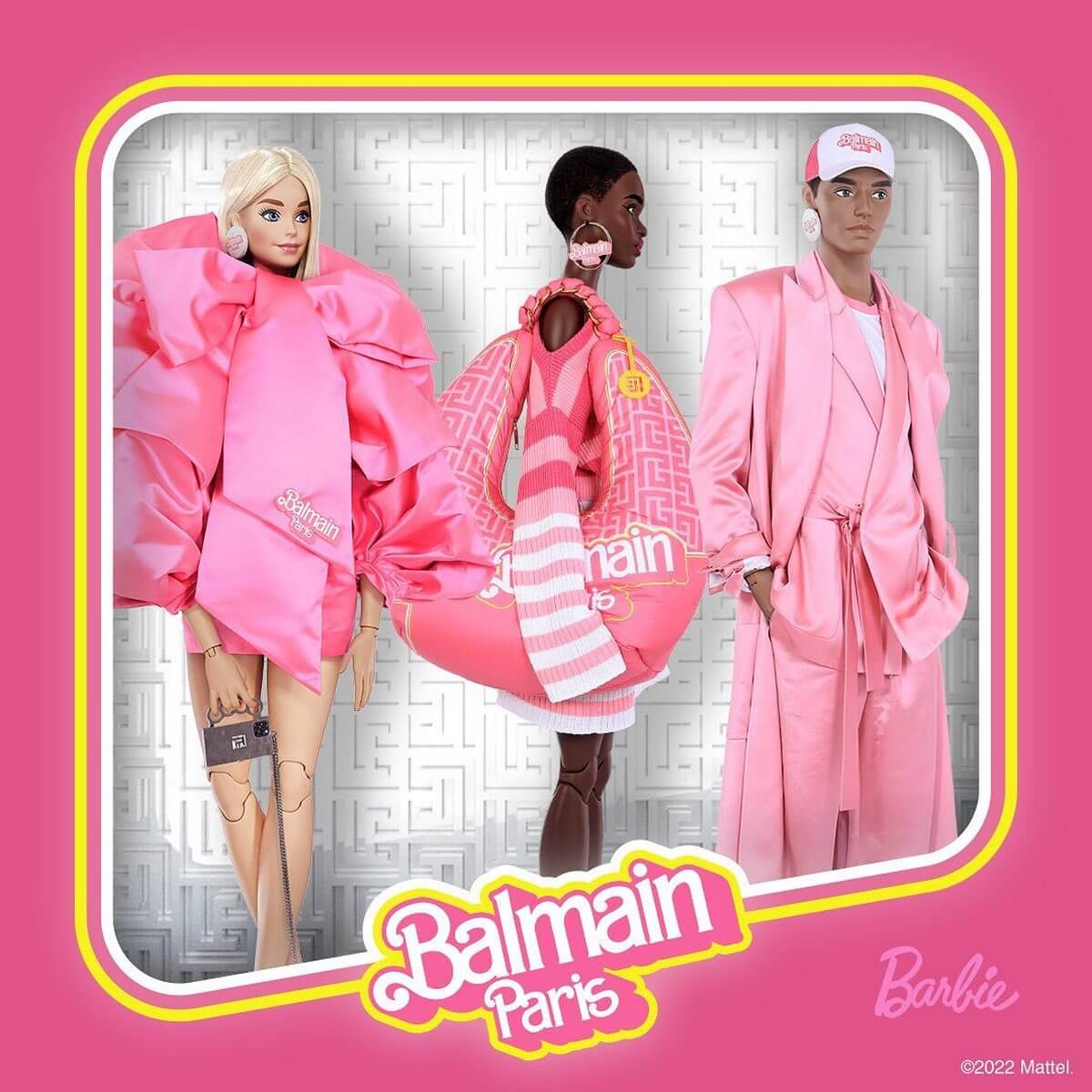
to release special editions or collections.
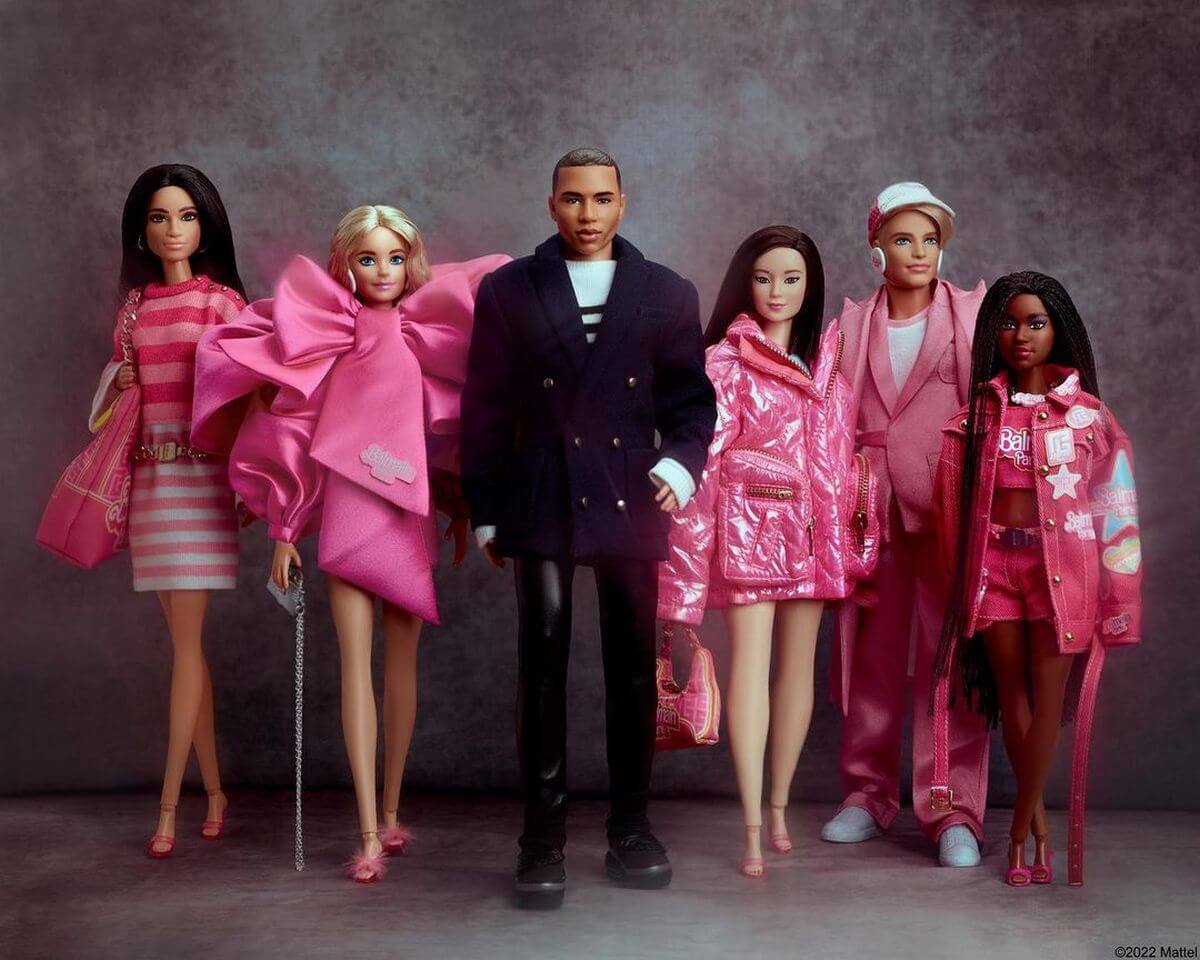
These include collaborations with brands such as Balmain and
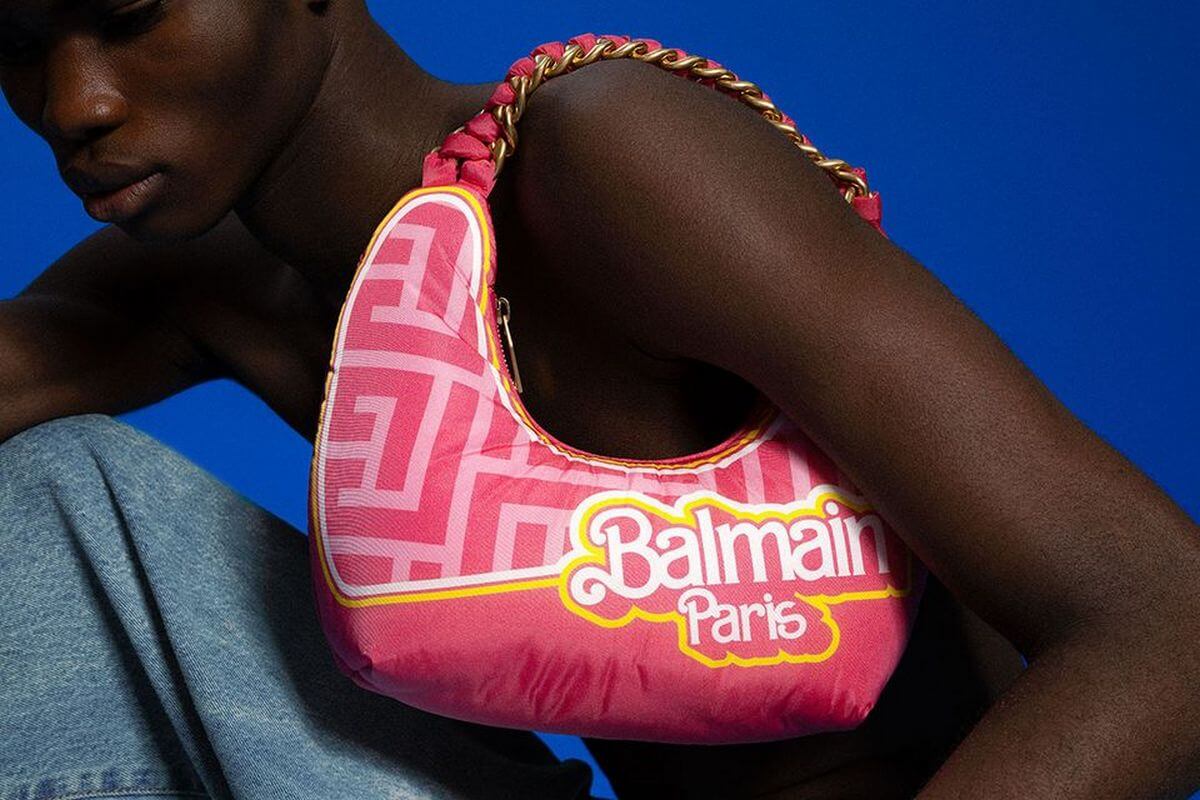
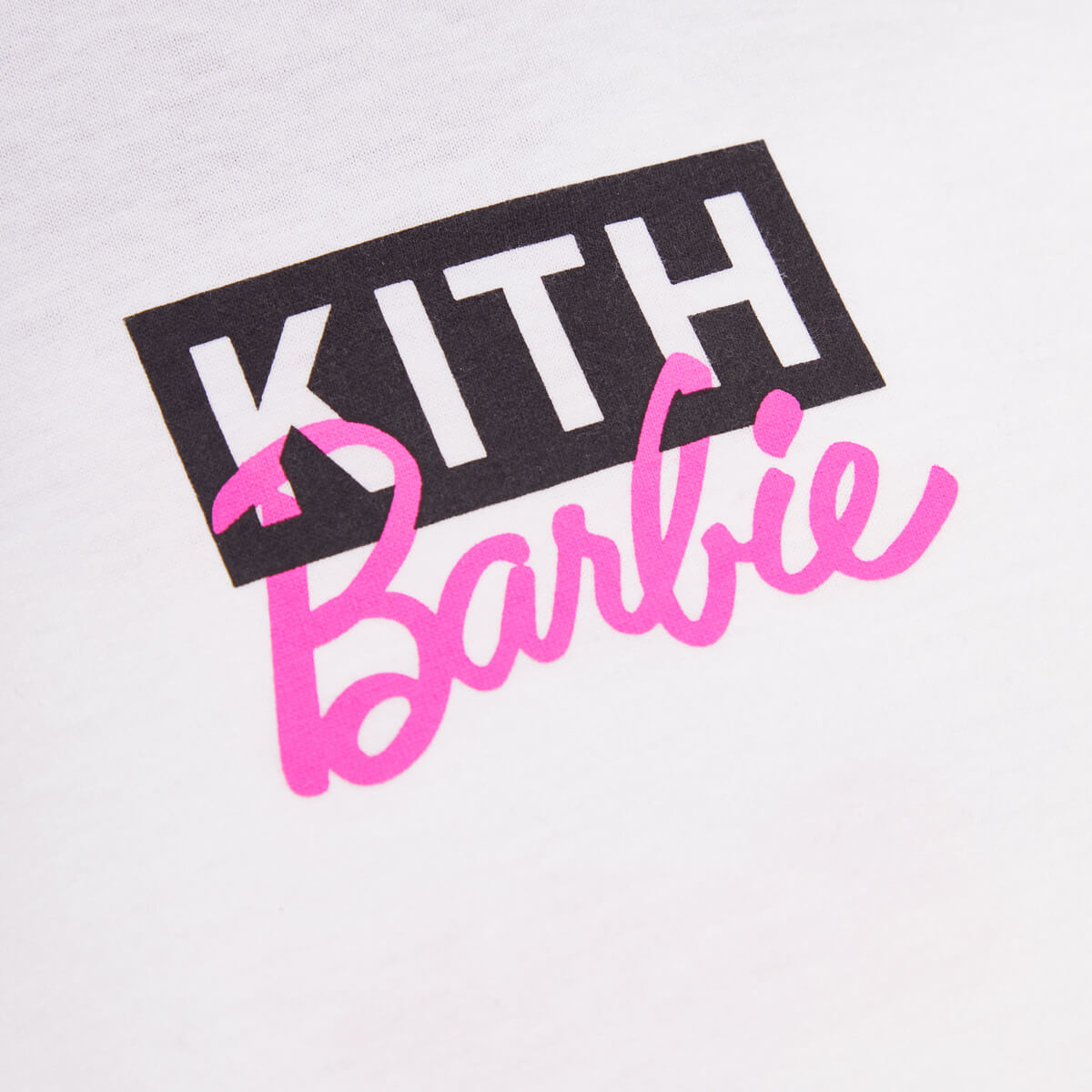
Ronnie Fieg’s KITH. These collections included dolls and clothing for them, as well as various items for “real people.”
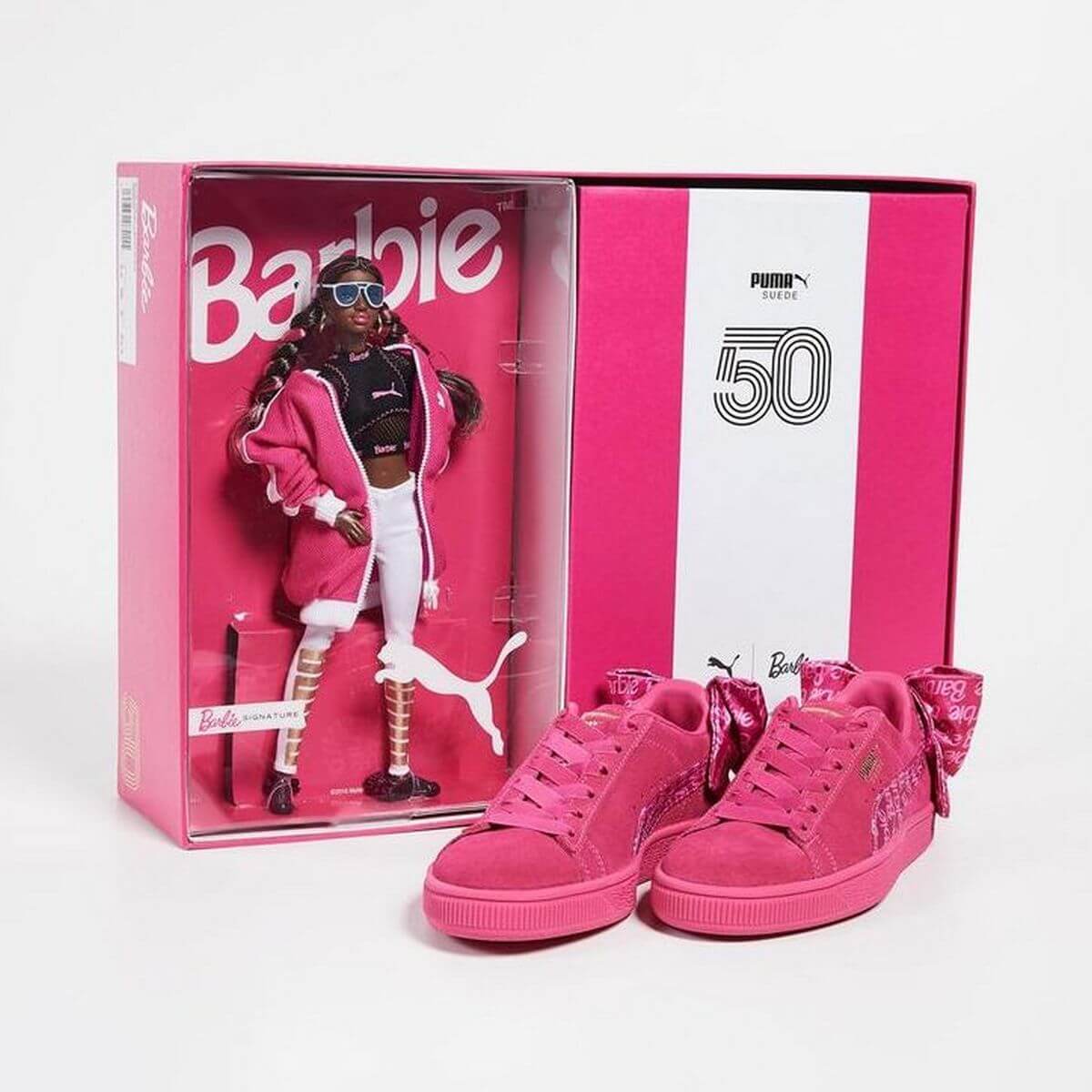
In the sneaker sector, there was an interesting collaboration with PUMA.
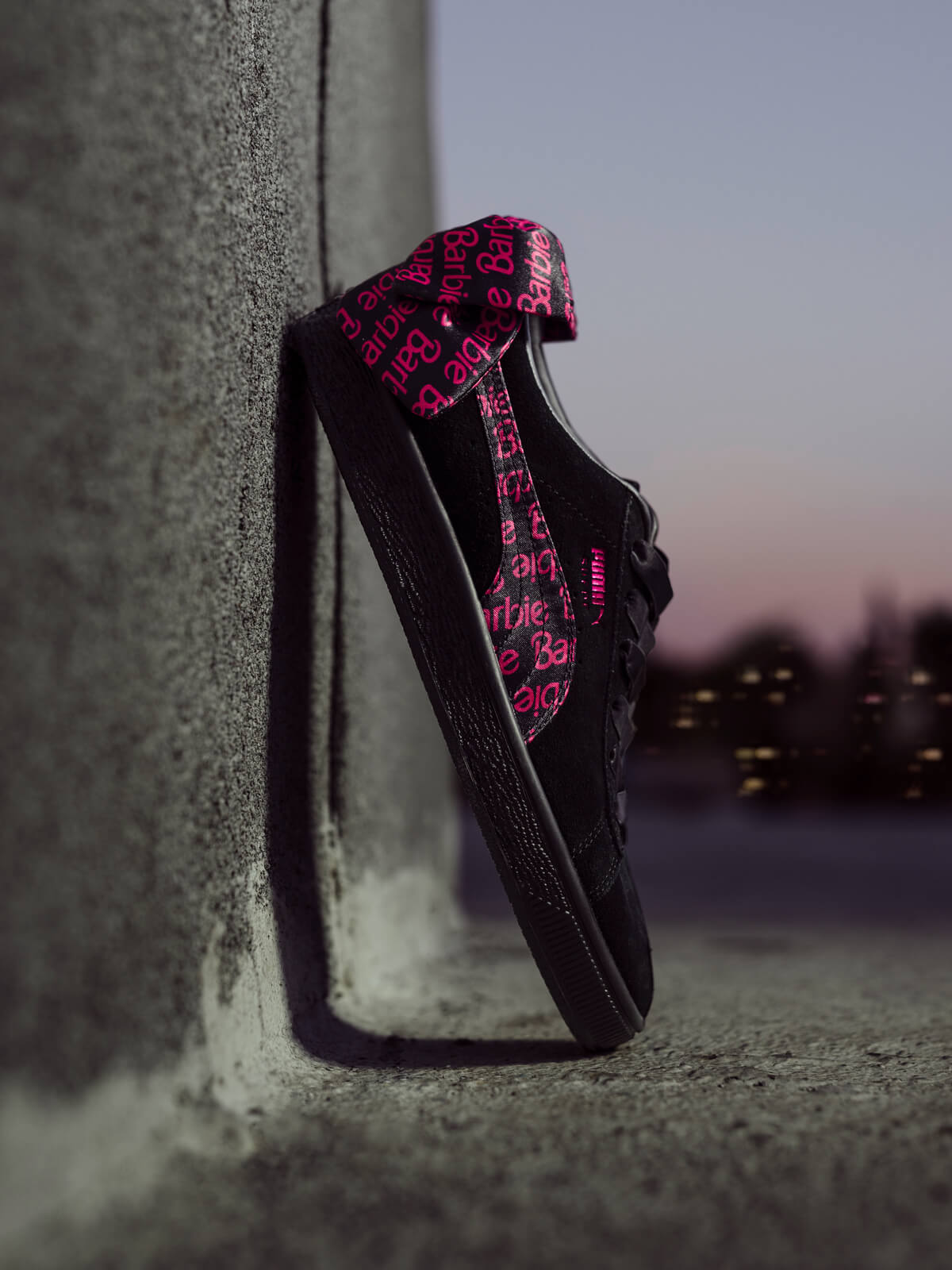
To celebrate the 50th anniversary of the Puma classic Suede, a collection was launched in 2018 that included two Suede models, dolls, and apparel.
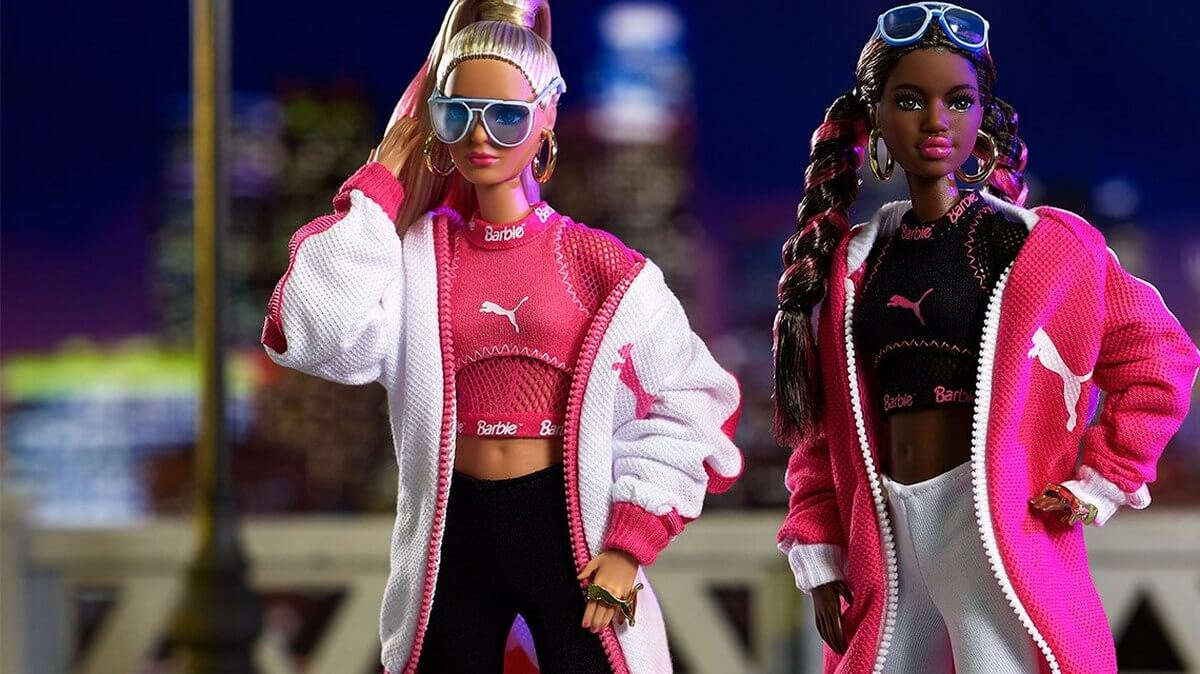
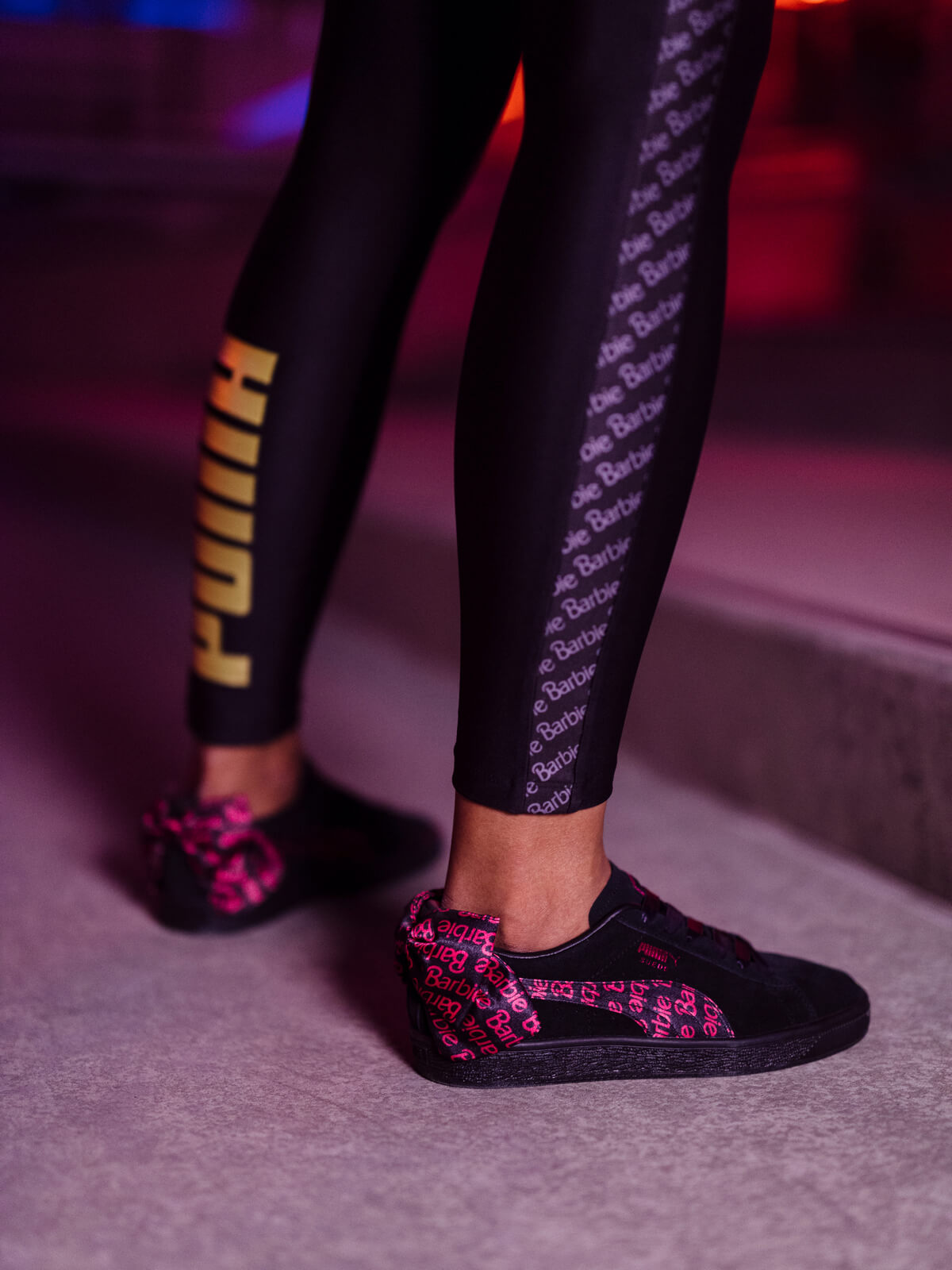
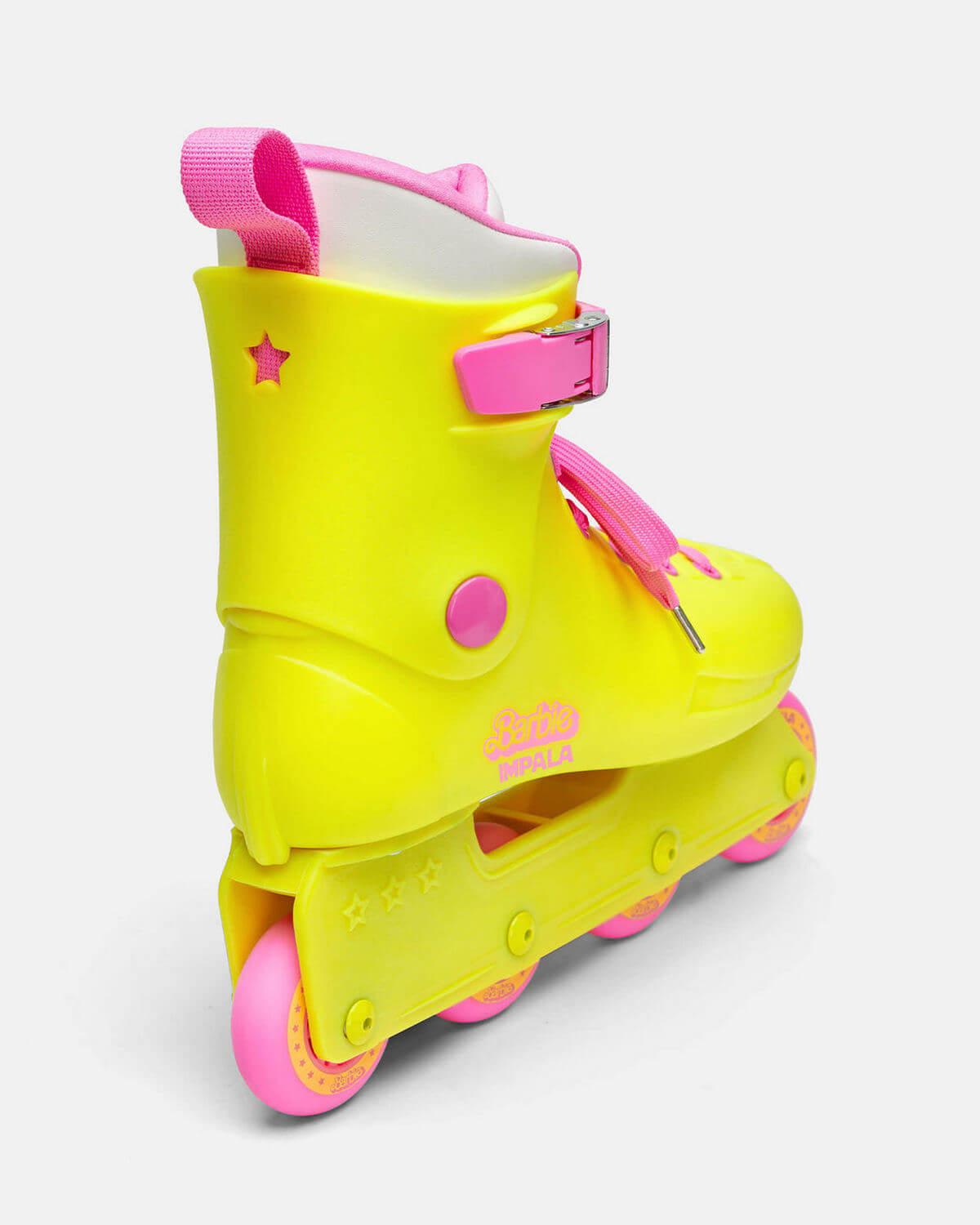
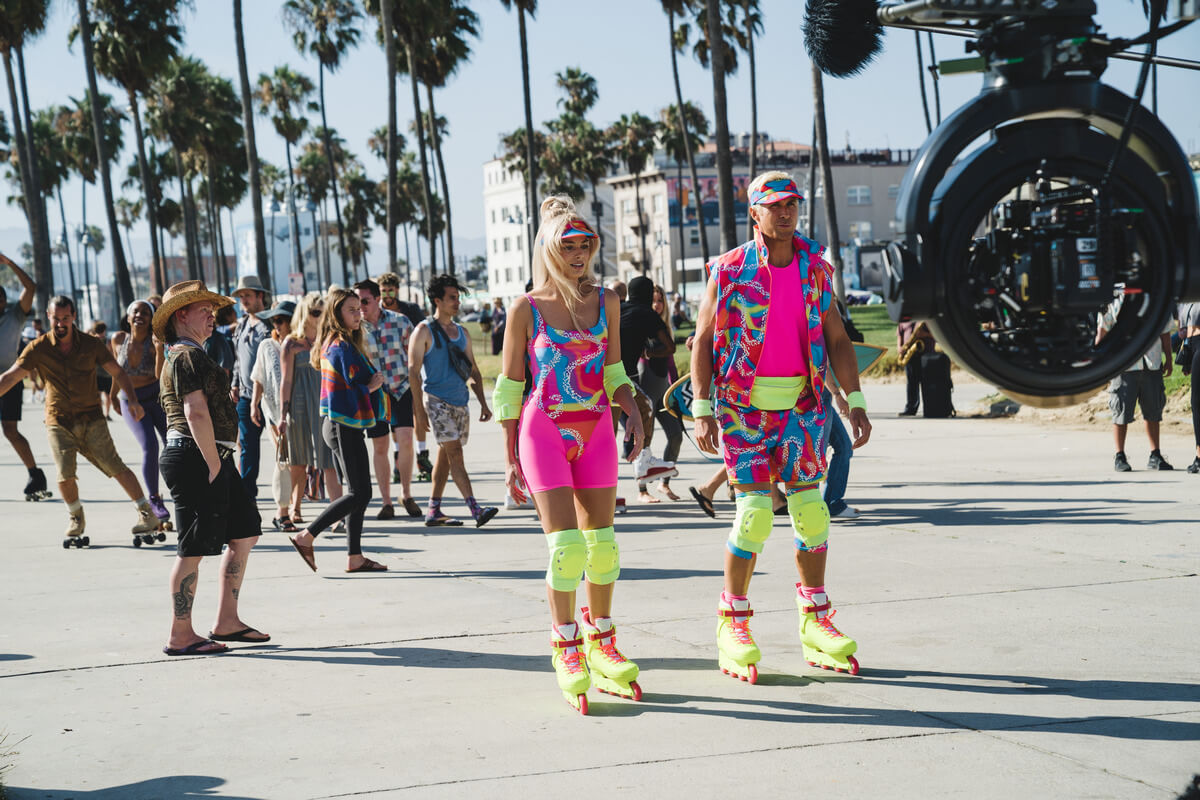
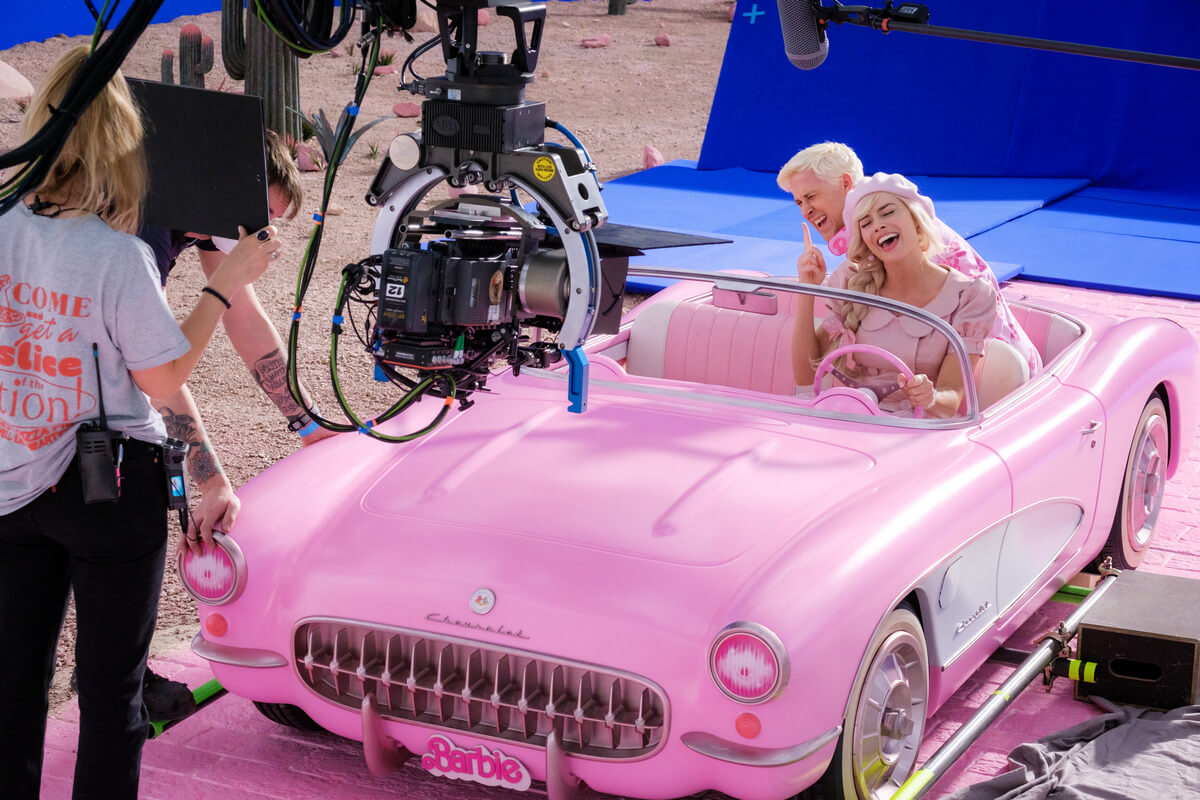
We can also look forward to a few collaborations to celebrate the new movie. One of them looks just like a prop from the movie. The inline skates that Ken pulls out of the back seats of the Corvette convertible in one scene (see photo above) are from the Australian brand Impala Skate.
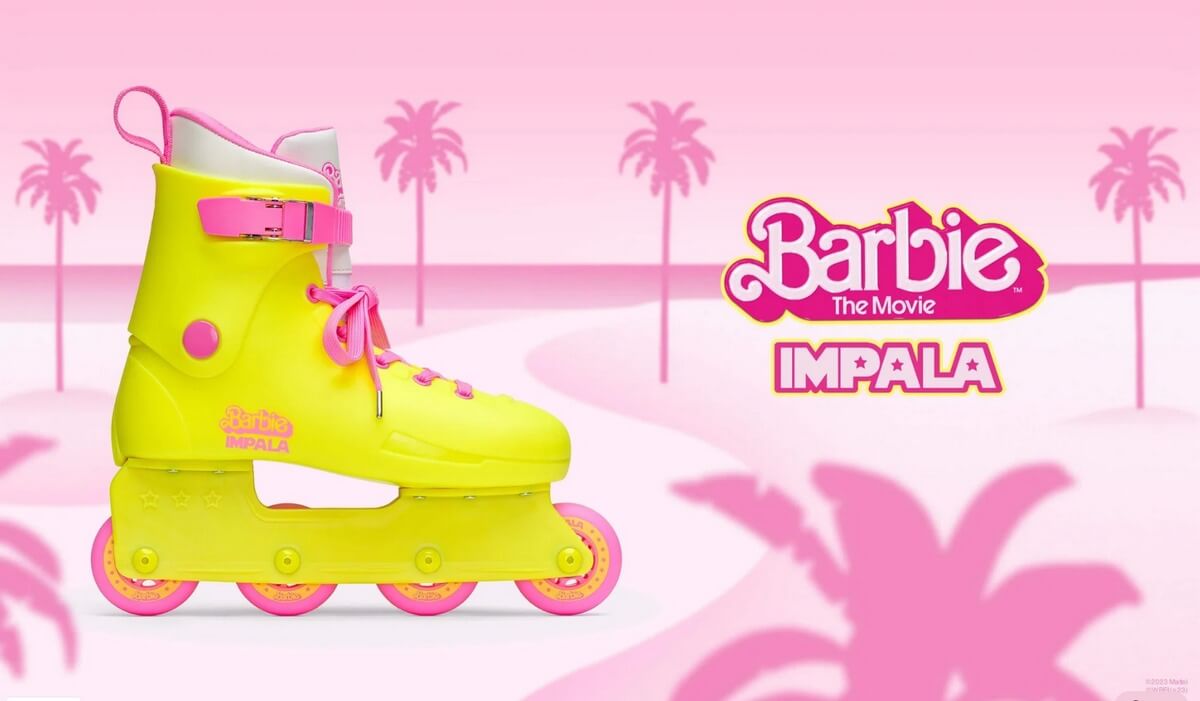
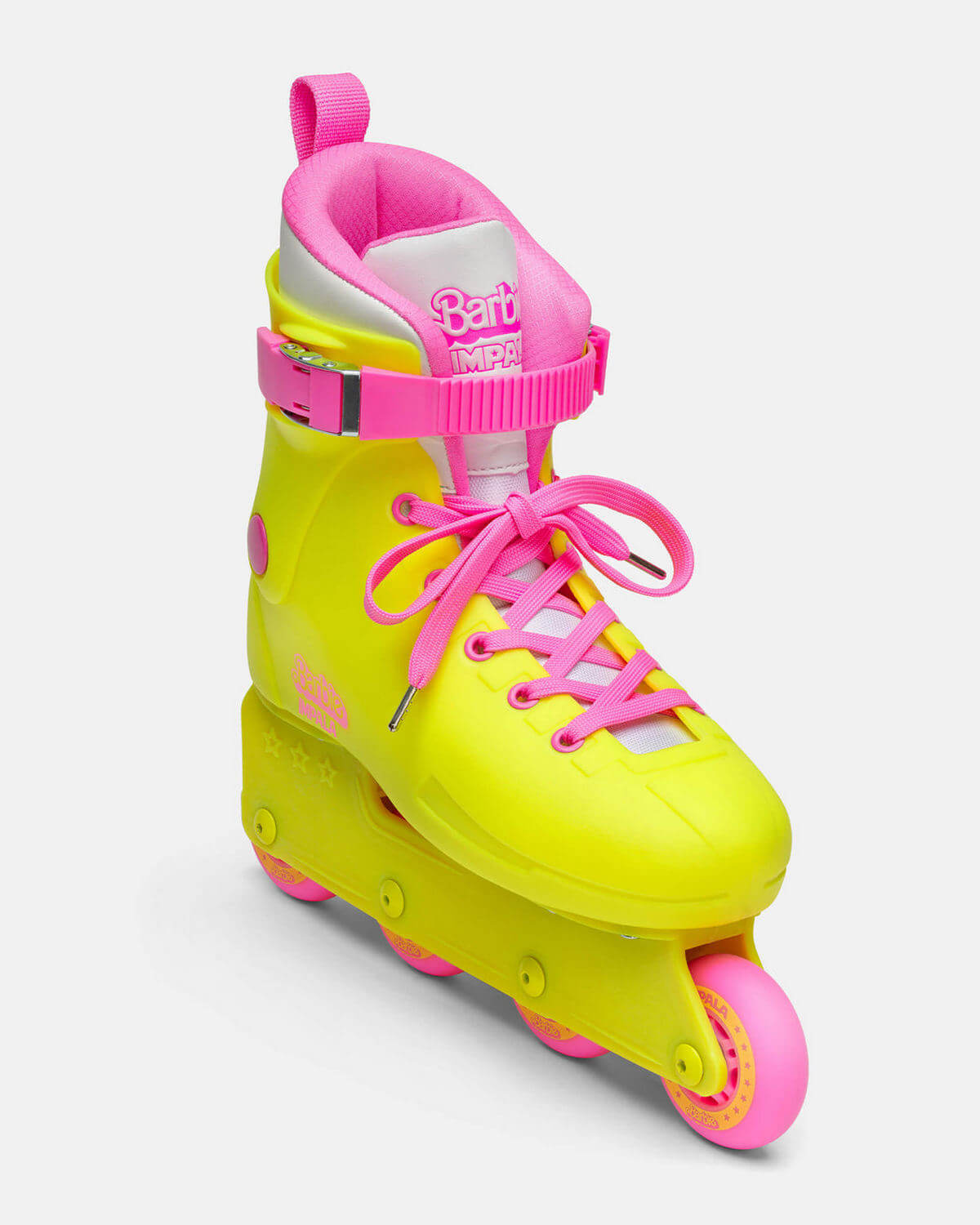
Just as colorful as you’d expect from a product from the Barbie universe, these shine in neon yellow and pink.
Interestingly, there was a collaboration in the 1990s with the market leader in inline skates: Rollerblade.
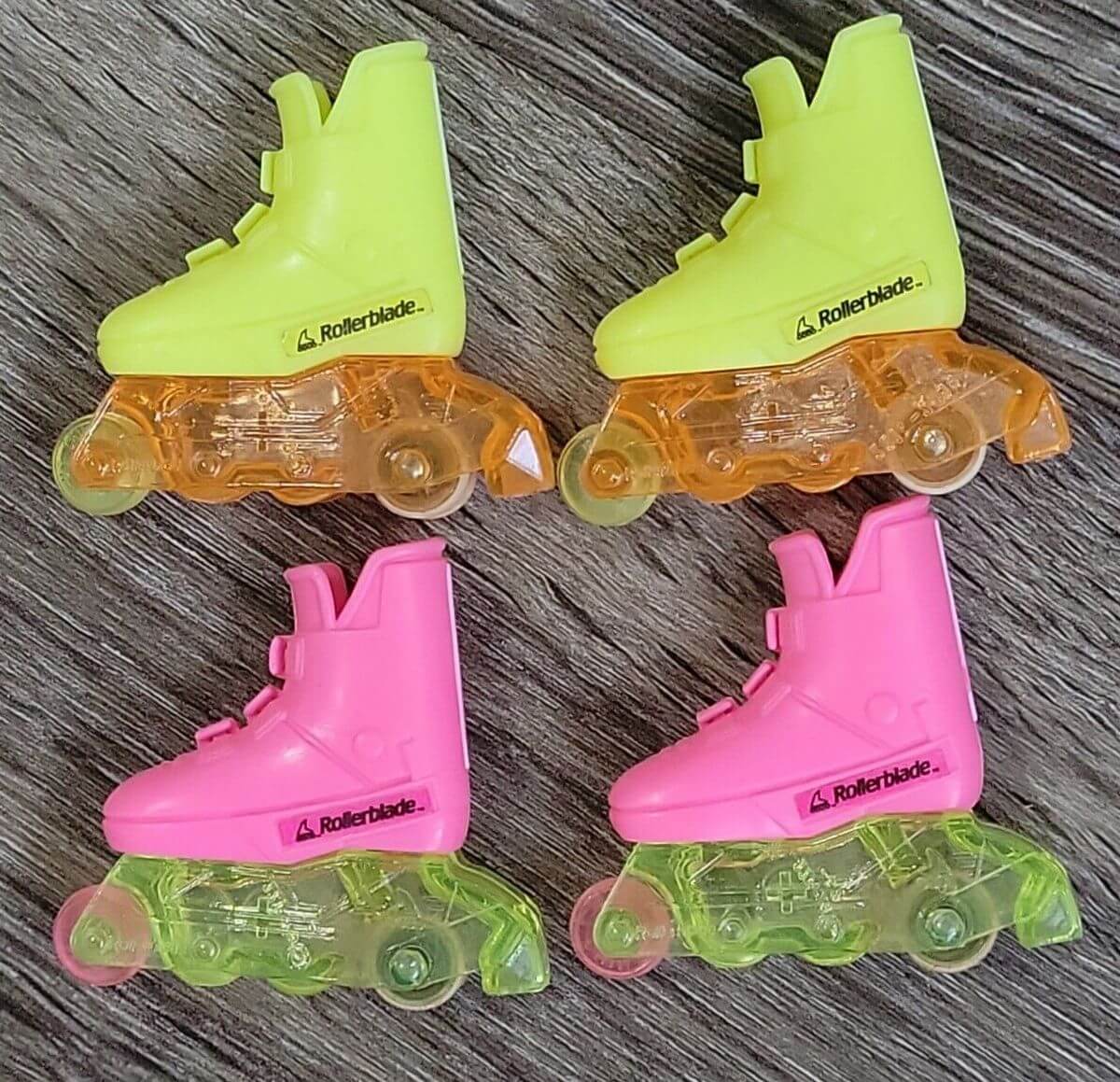
The models advertised back then look similar in color. They were equipped with an unusual gimmick that, from today’s perspective, was dangerous for children’s hands.
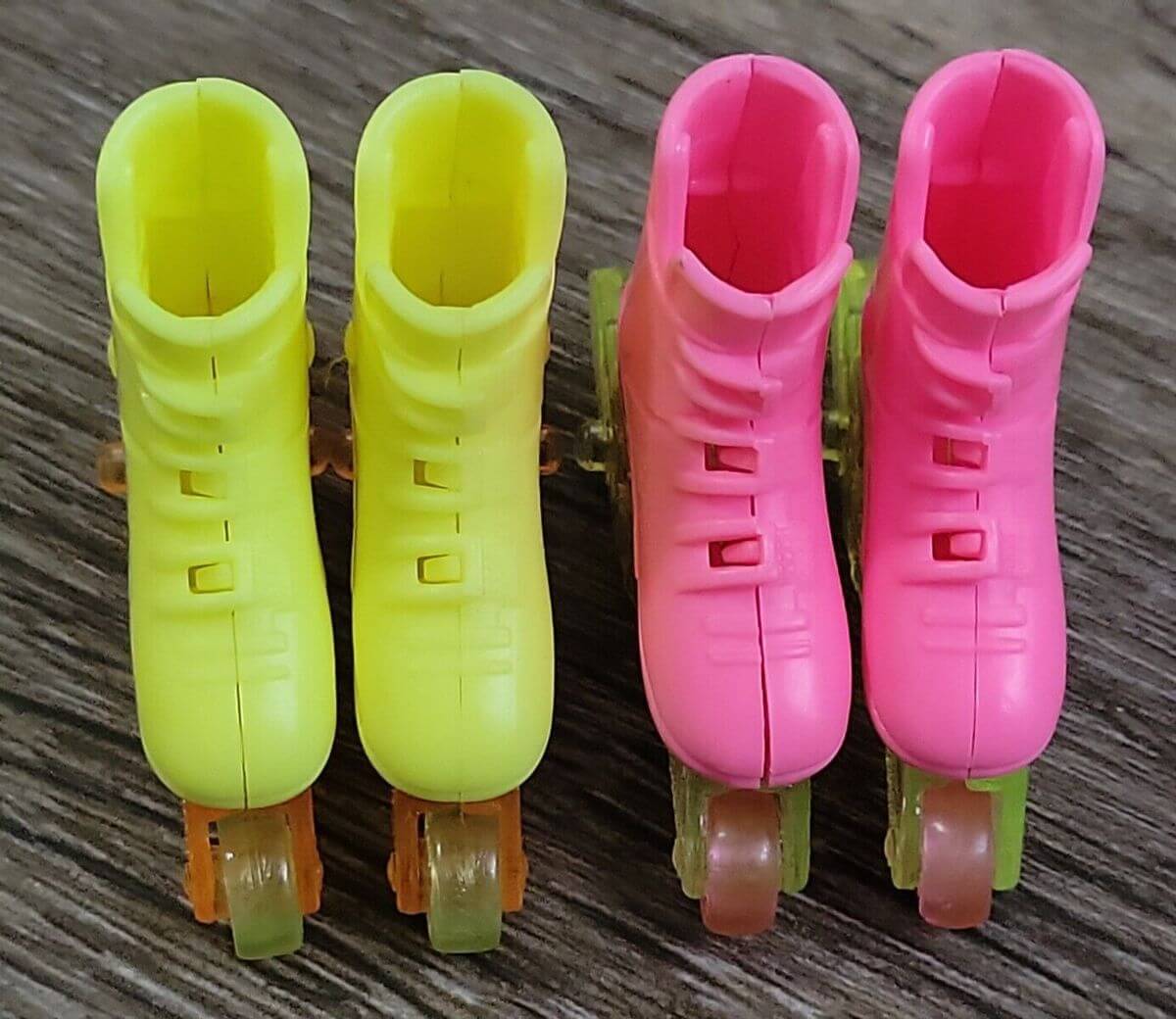
When the skates were rolled across a surface, a kind of friction wheel—similar to that found in a lighter—created a spark effect. This effect can also be seen in the accompanying 1992 commercial.
The foundation for the aesthetic used here was laid about 10 years earlier, in the early 1980s. In 1982, Jane Fonda released her first aerobics workout VHS titled “Jane Fonda’s Workout,” which became a huge success and played a major role in the fitness and aerobics trend.
Jane Fonda won Oscars for her roles in films such as “Klute” and “Coming Home” and received an Oscar nomination for “On Golden Pond.”
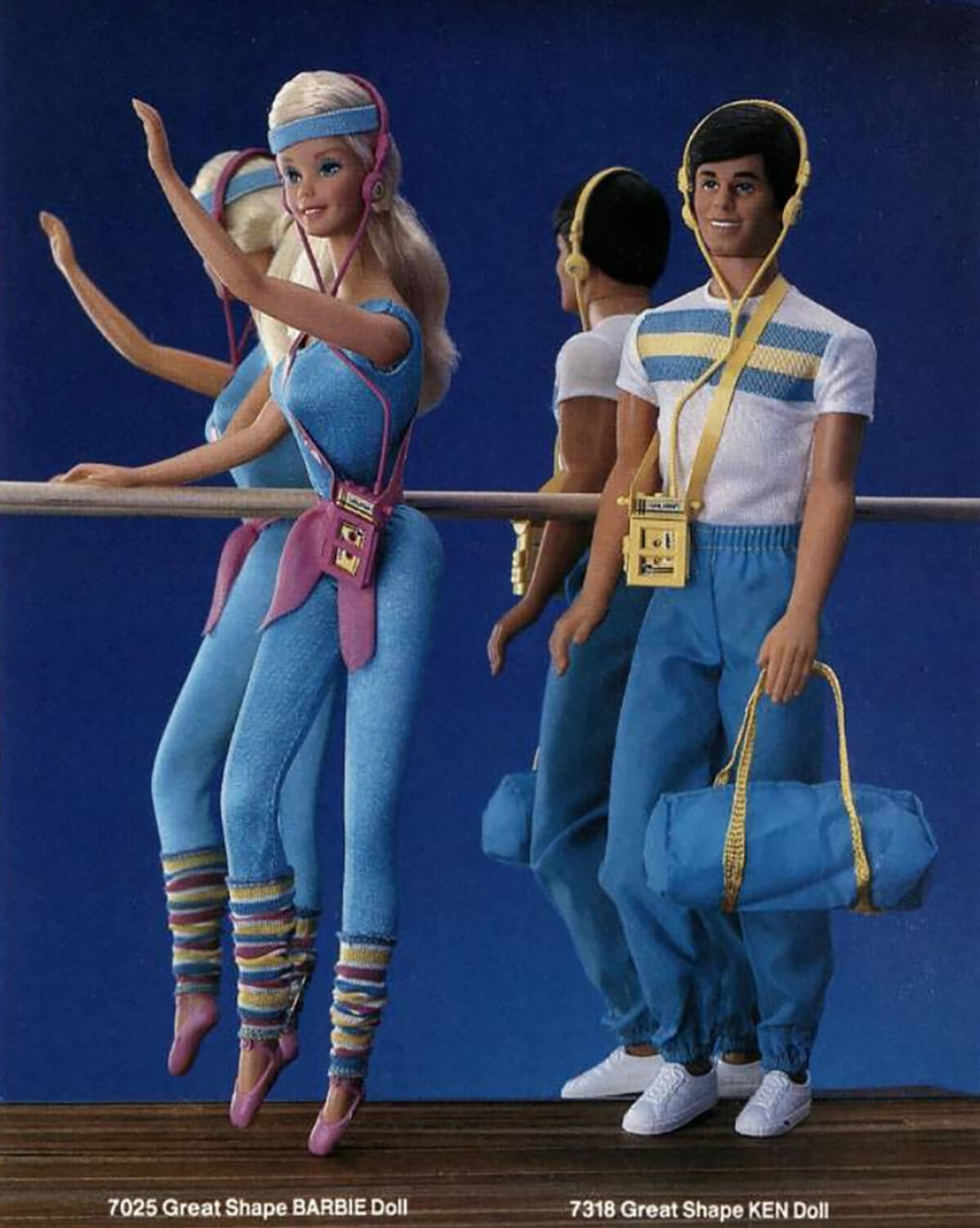
The fashion industry, of course, also responded to this trend at the time. Neon-colored leggings, headbands, gym shoes, and skin-tight tracksuits were all the rage. The music industry created its own genres, such as “aerobic music,” featuring fast beats and energetic rhythms that matched the exercises.
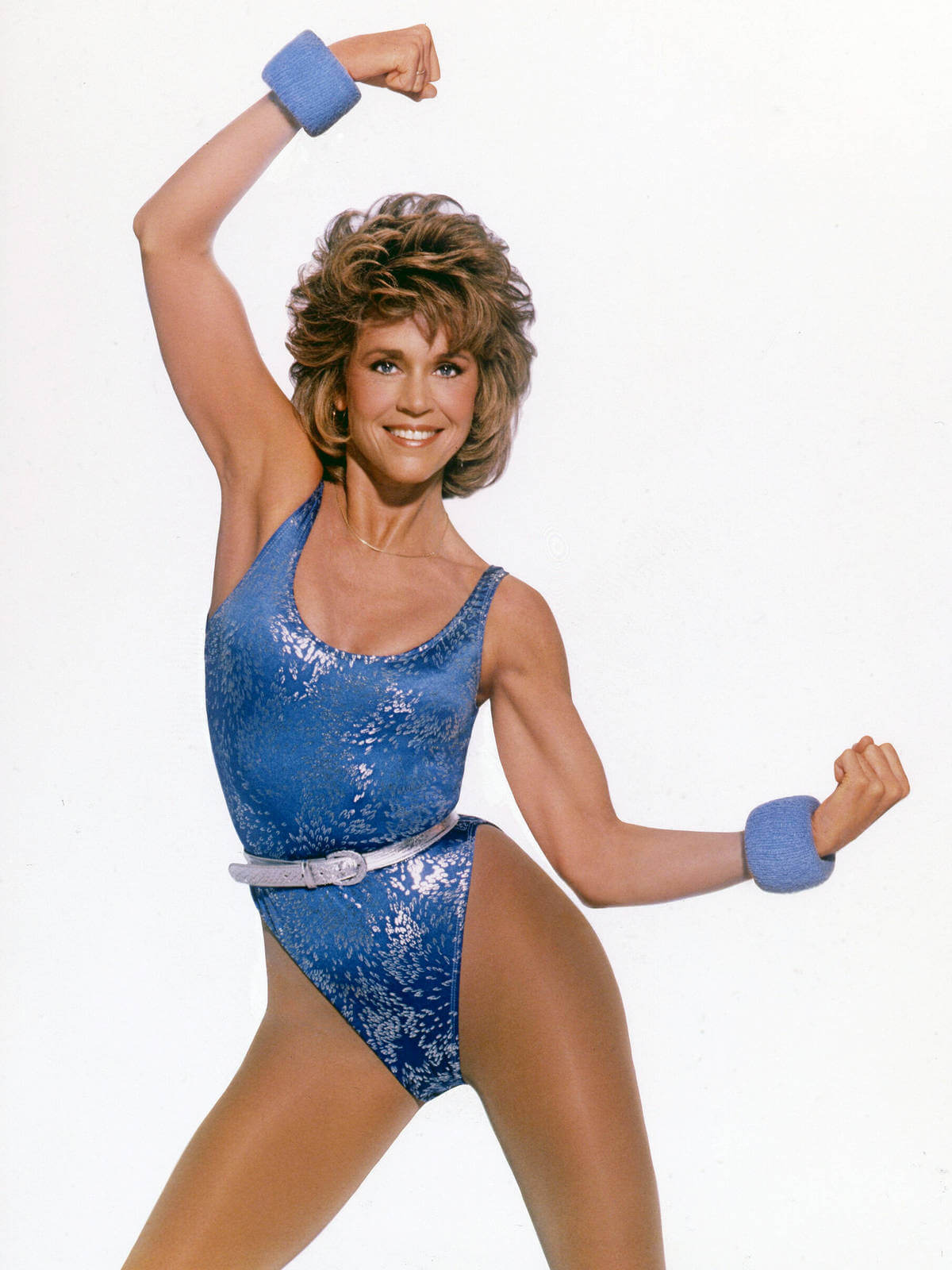
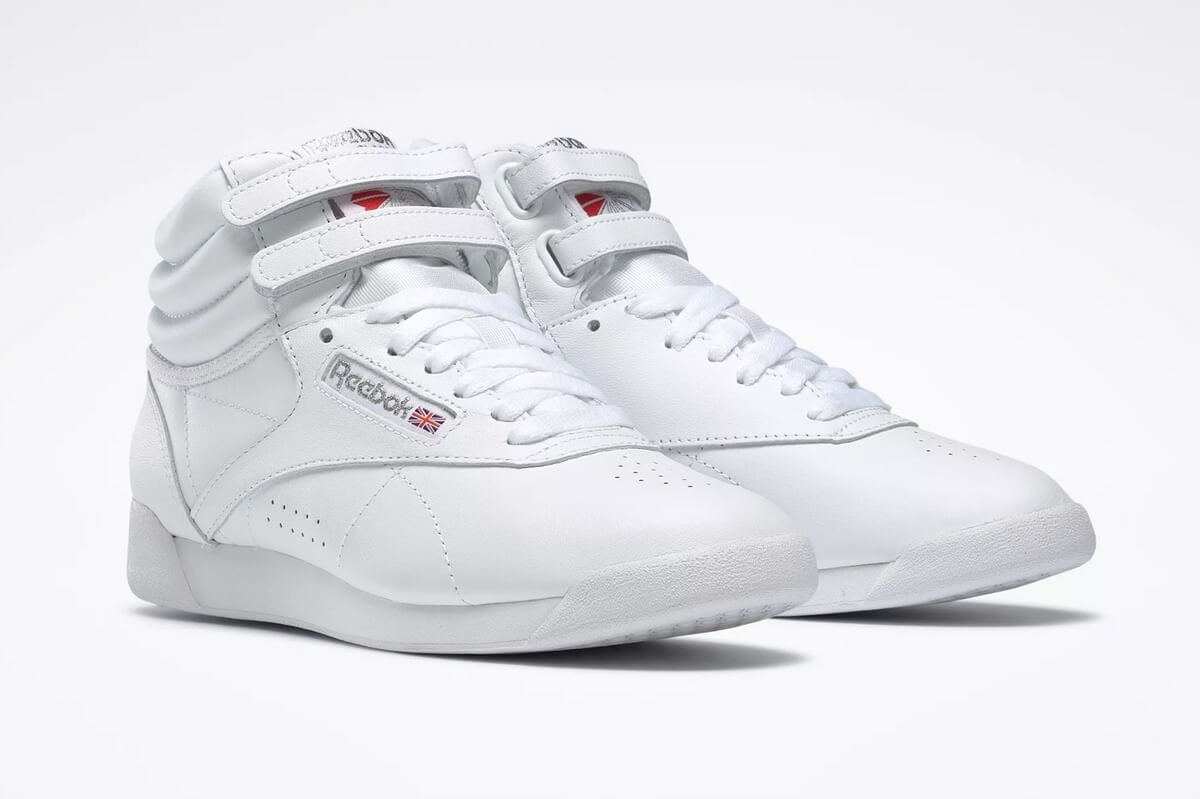
Leading the way at the time was the Reebok brand and its dedicated aerobics and fitness model, the “Freestyle.”
Barbie and Ken also rode the fitness wave—see the “Great Shape” Barbie and Ken above—and continued to do so well into the 1990s. That’s when the couple appeared in the “All American” Edition:
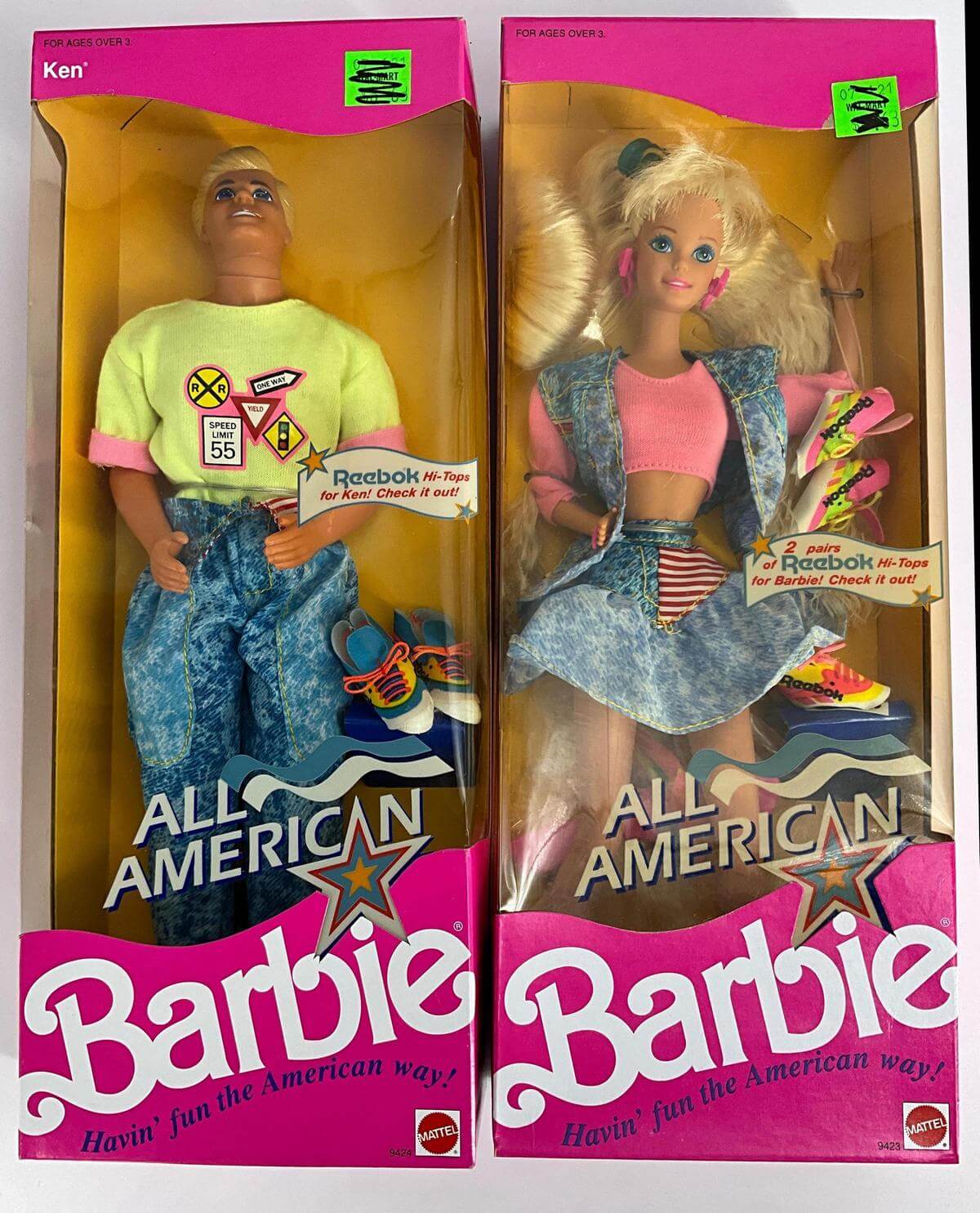
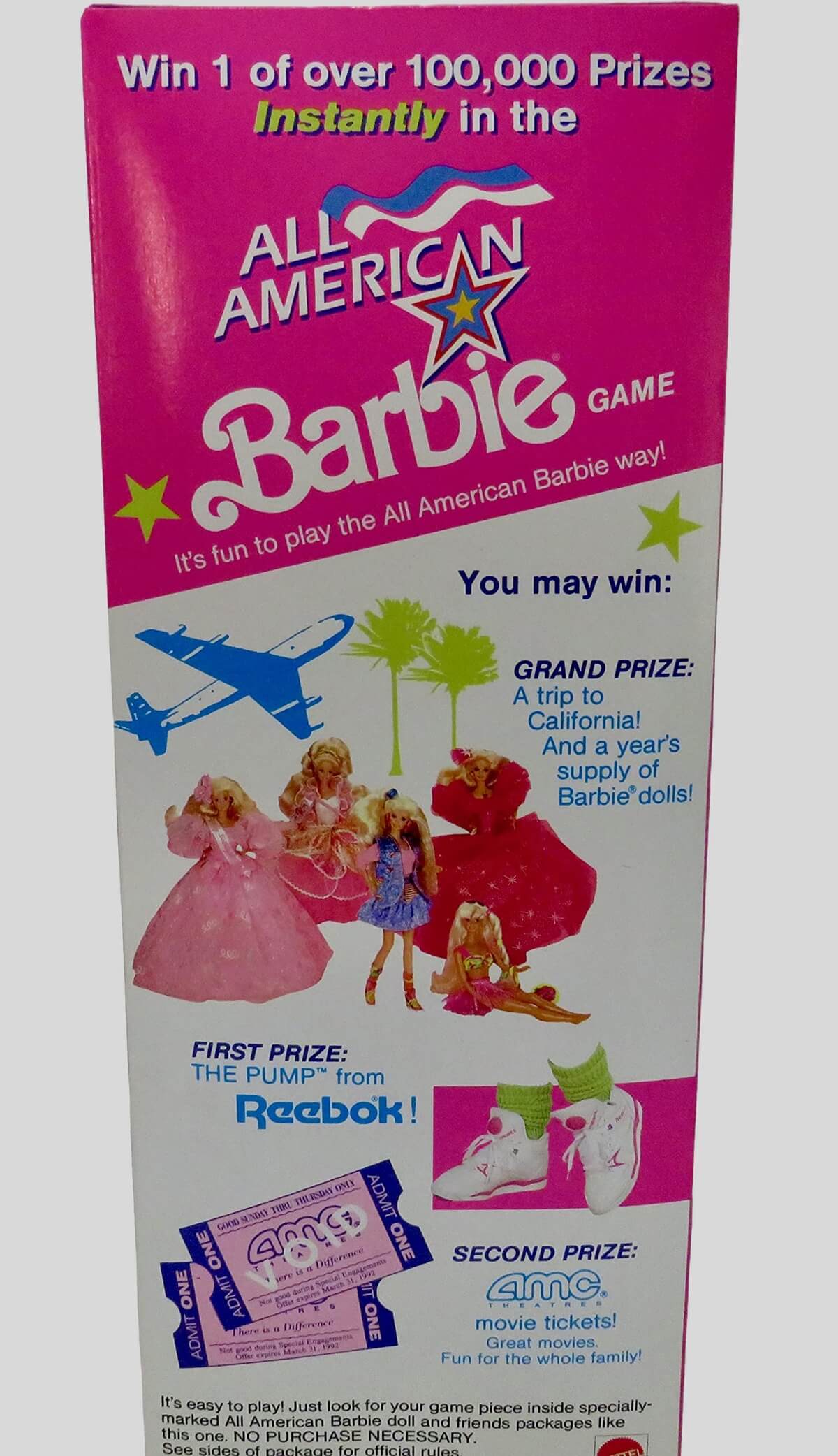
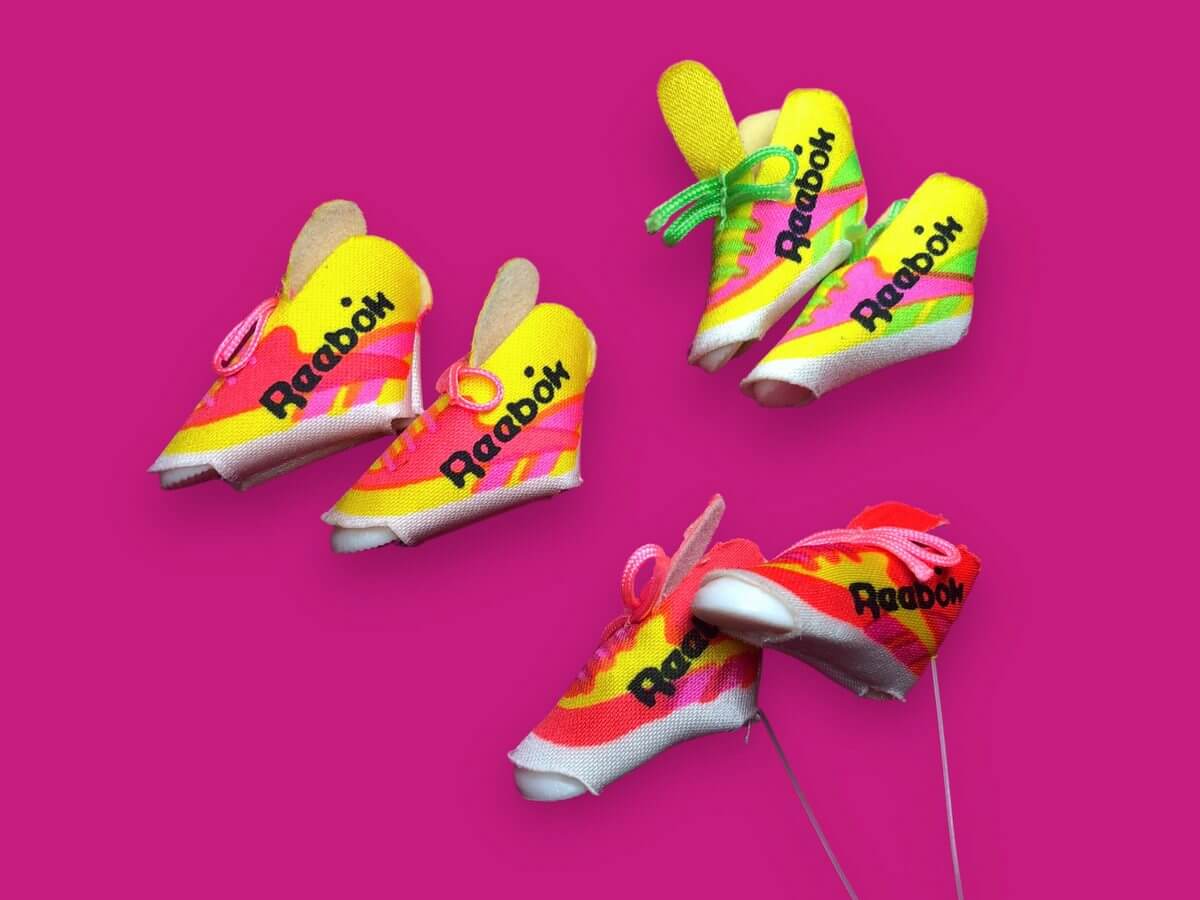
Both models came with official Barbie Reebok hi-tops at the time. The back of the packaging also promised the chance to win a trip to Los Angeles, a Reebok The Pump fitness shoe, and movie tickets for the AMC Theatres chain.
Since these small parts probably often ended up in a vacuum cleaner while cleaning up the kids’ room, you can still buy these “Reebok” shoe covers for the Barbie figures on Etsy today.
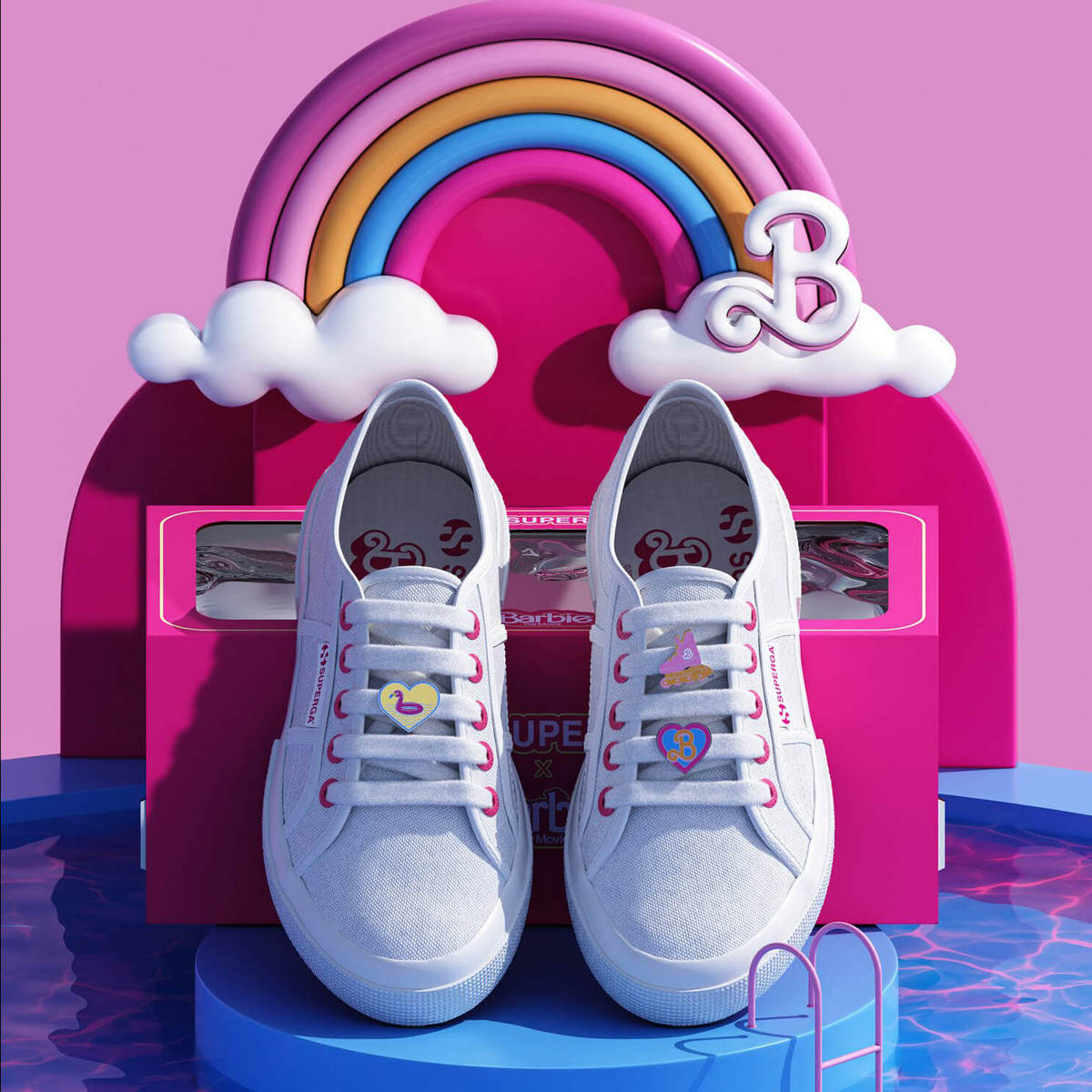
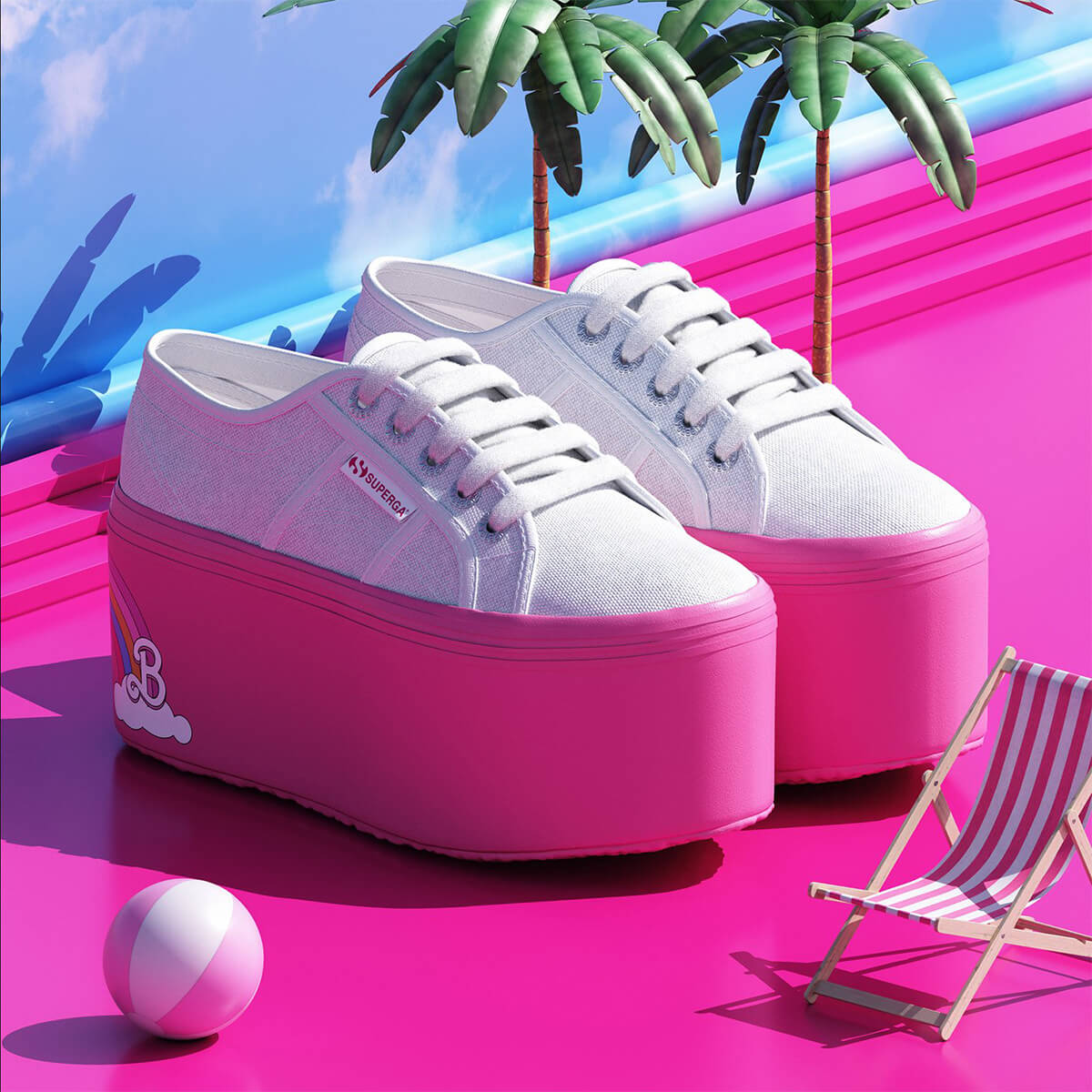
Another collaboration being launched as part of the new Barbie movie is with the Superga brand.
Founded in Turin, Italy, in 1911, the company originally manufactured various rubber goods, including shoes.
These shoes were primarily work shoes intended for workers in the local industry.
The famous Superga 2750 Cotu sneakers, also known as the “People’s Shoes of Italy,” were first introduced in 1925, when entrepreneur Walter Martiny switched production to vulcanized rubber soles. The shoes were simple, durable, and versatile, and quickly became popular throughout Italy.
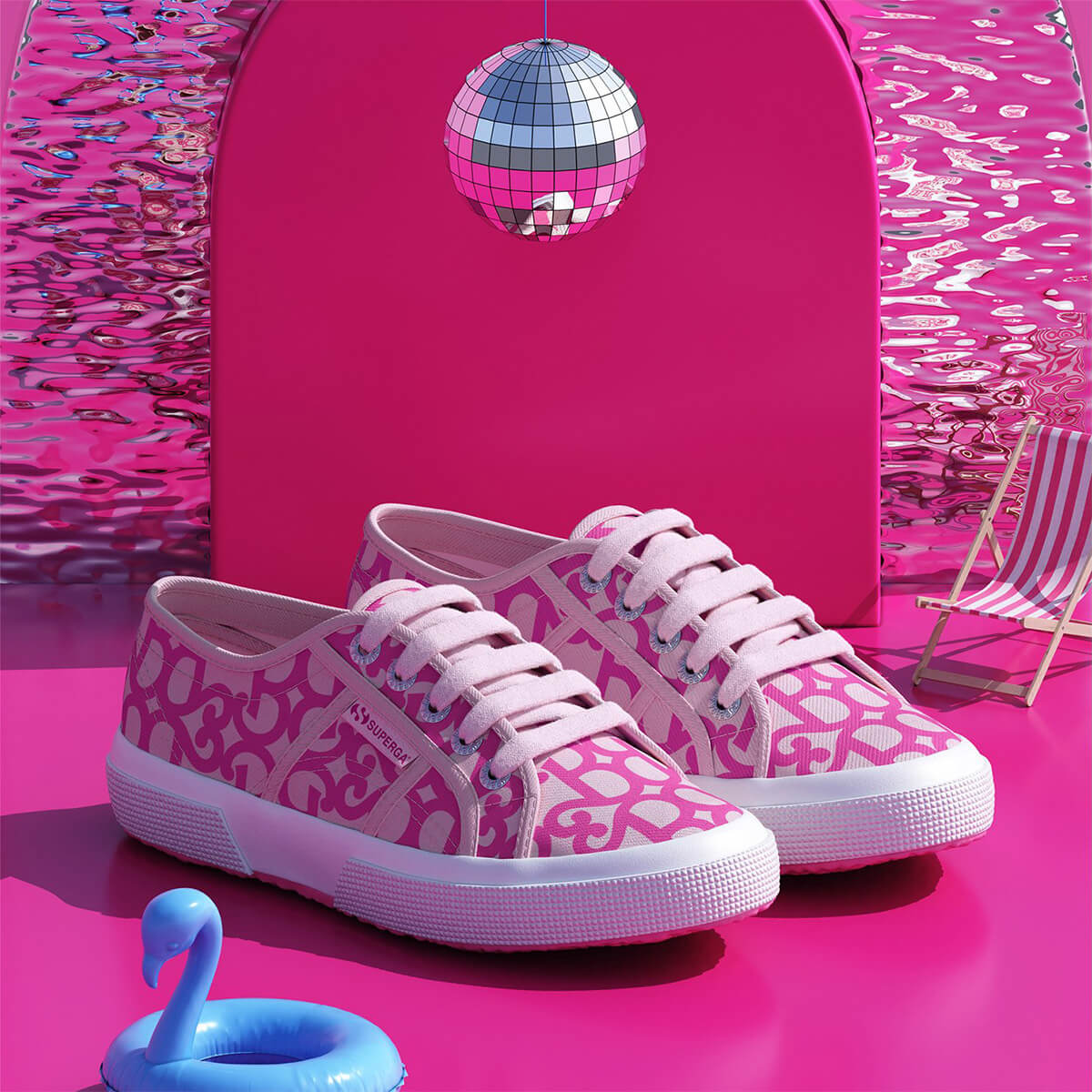
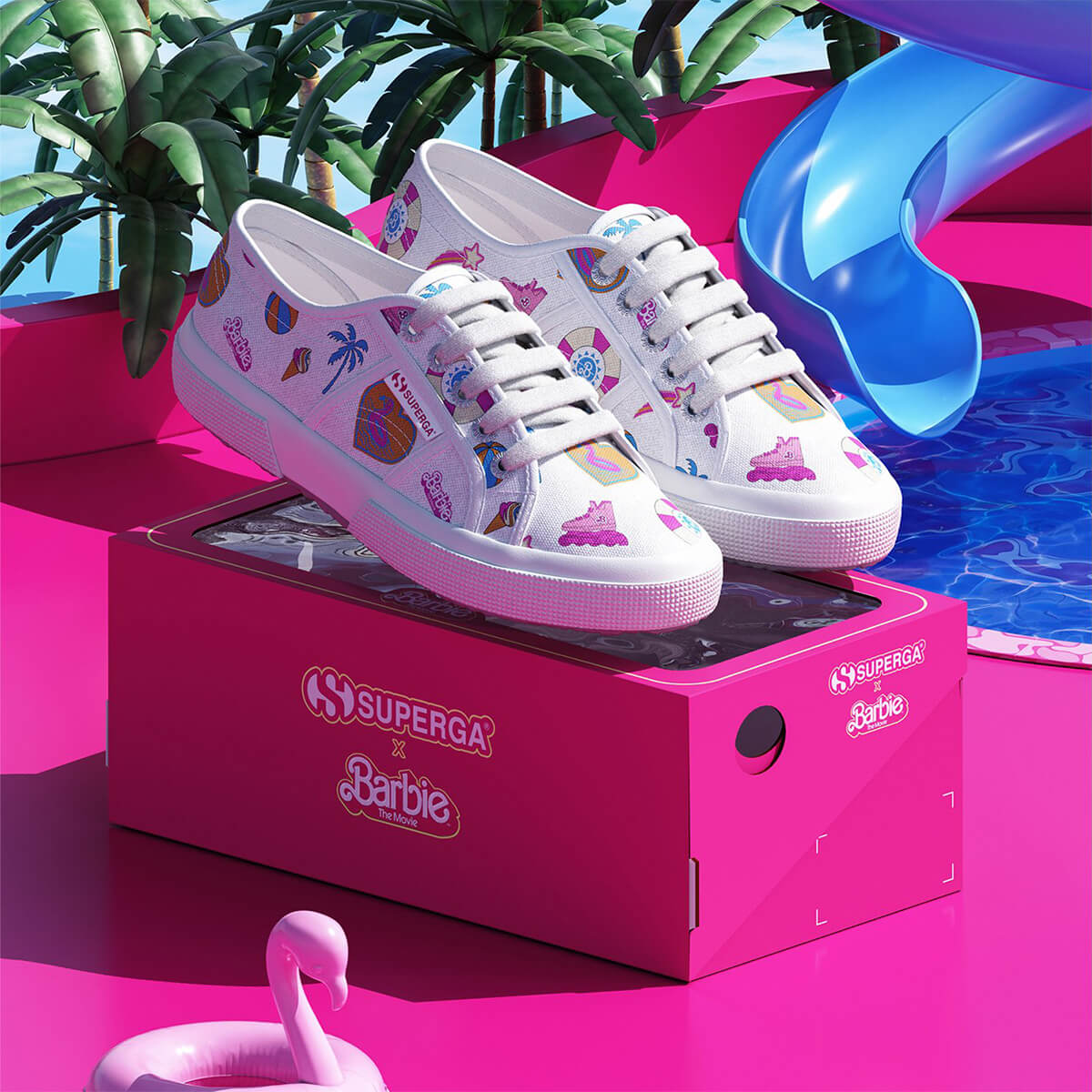
The models in the Superga Barbie “The Movie” Edition naturally feature the classic pink colorway and come in a variety of styles. A platform sole is also included.
The sneakers come in a shoe box designed to resemble Barbie packaging.
The Barbie franchise has been an integral part of pop culture since its founding in 1959 and has reflected—and even anticipated—many fashion trends.
Another interesting anecdote about Mattel and Barbie is the story of the 1992 Teen Talk Barbie. The doll was programmed to randomly say one of 270 phrases when a button on her back was pressed. One of these phrases was, “Math is hard.” This sparked a public outcry, as many felt that this statement conveyed a false and stereotypical image of what girls can achieve, particularly in subjects like math and science.
The American Association of University Women even published a report citing the doll as an example of how gender stereotypes are entrenched in society. As a result of the controversy, Mattel removed the phrase “Math is hard” from Barbie’s repertoire. It’s fair to say that this anecdote is one of Mattel’s unexpected learning moments and shows just how sensitively society reacts to the messages that toys send to children.
Which brings us back briefly to the actual focus of this article—the movie:
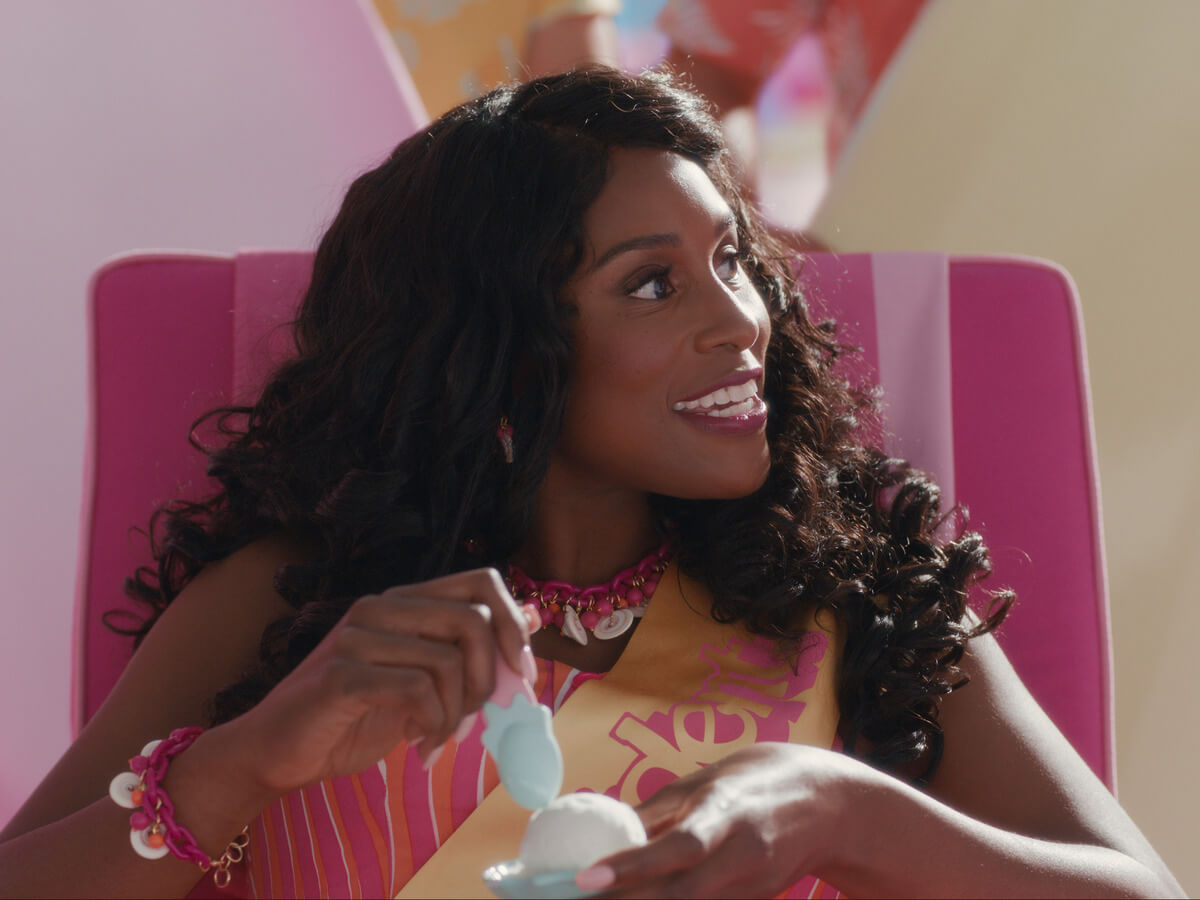
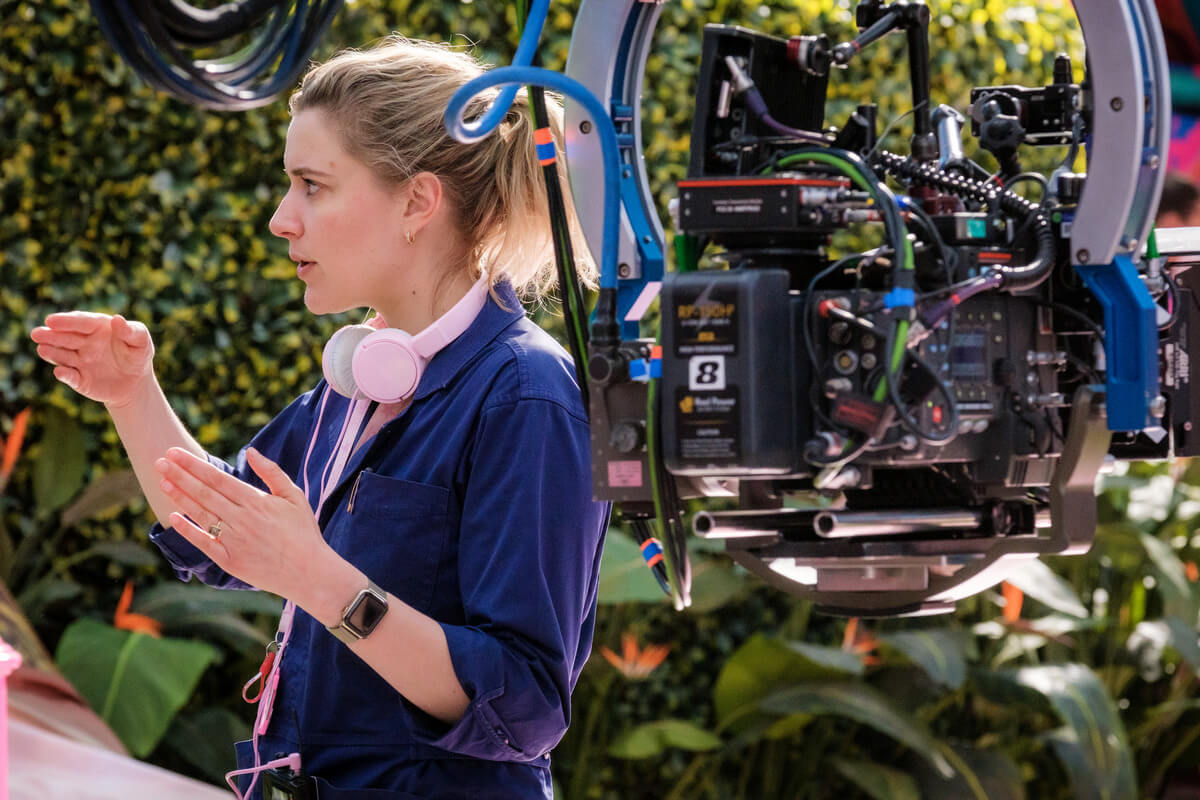
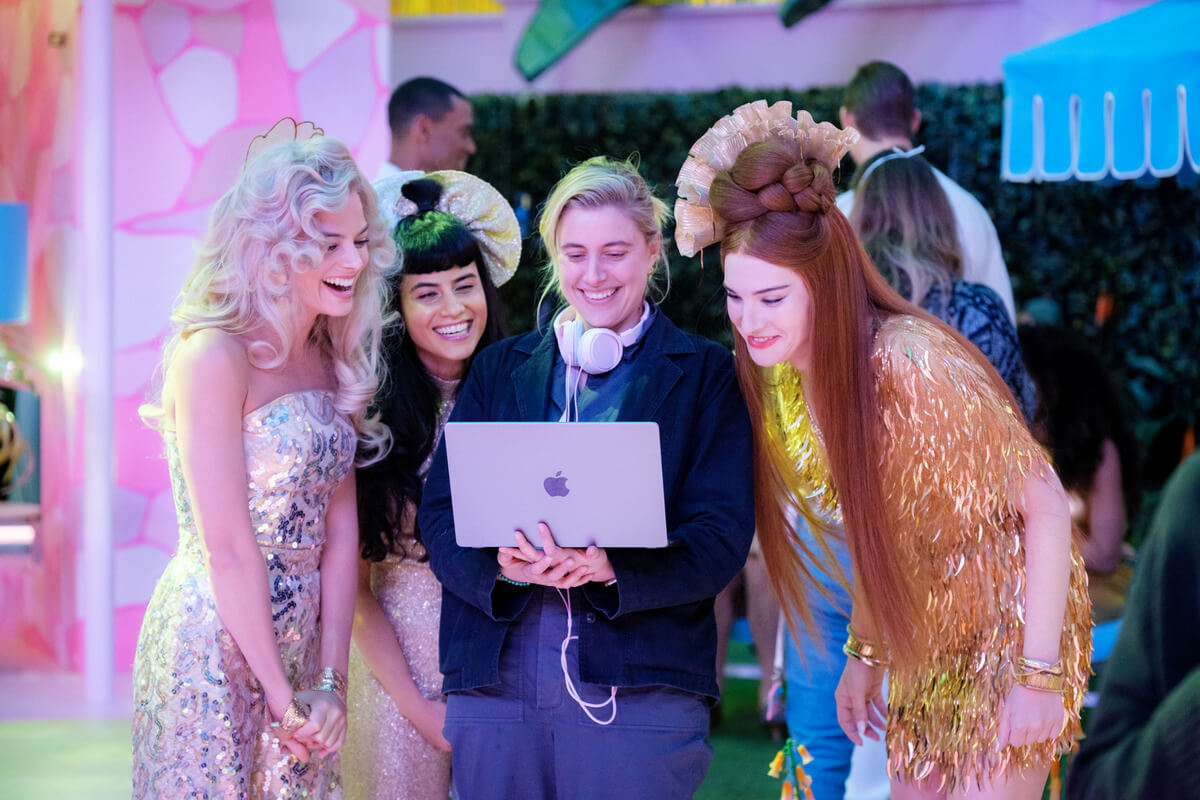
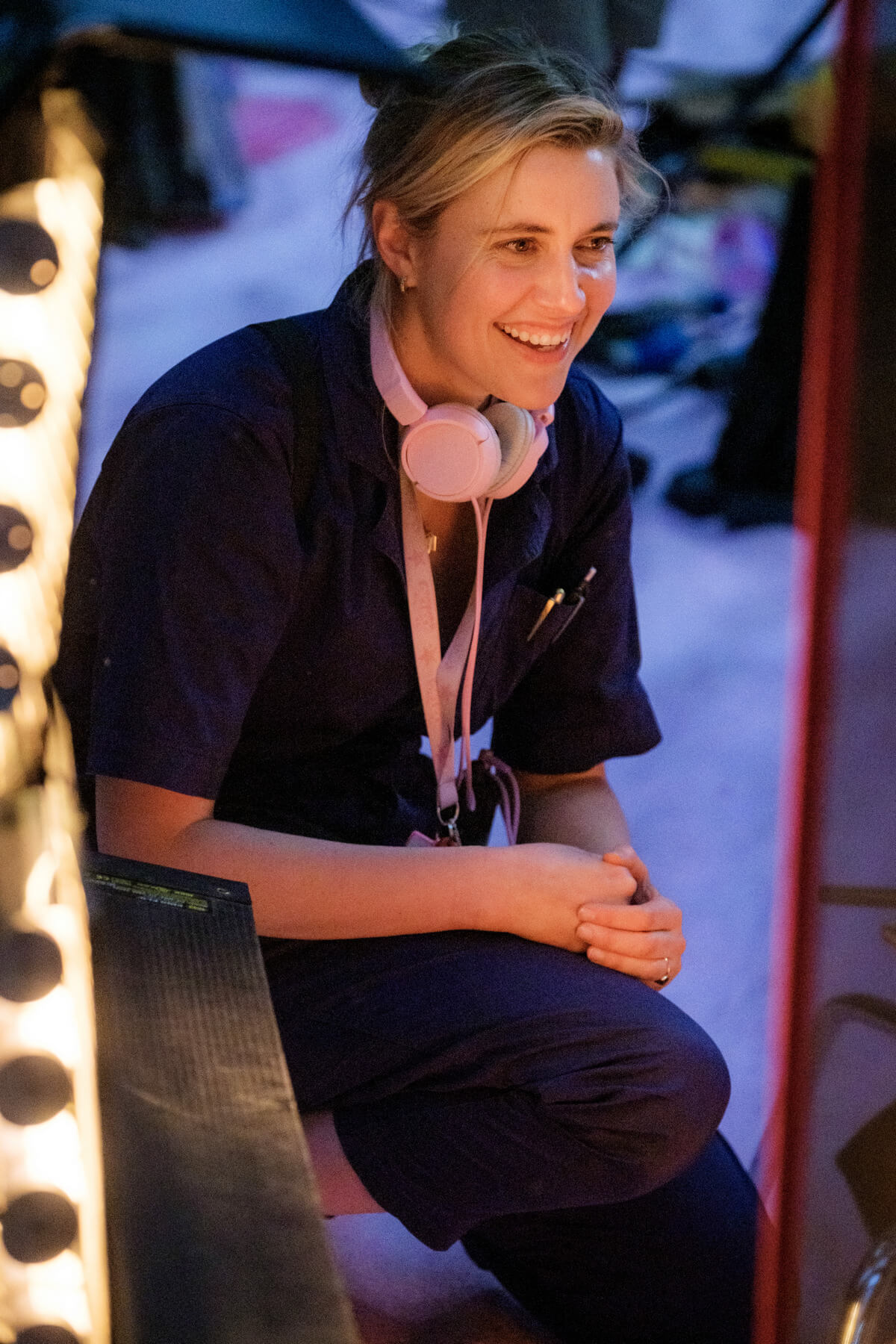
“Barbie” was directed by Oscar-nominated writer and director Greta Gerwig. The lead roles are played by Oscar nominee Margot Robbie as Barbie and fellow Oscar nominee Ryan Gosling as Ken. “Barbie” also stars America Ferrera, Kate McKinnon, Michael Cera, Ariana Greenblatt, Issa Rae, Rhea Perlman, and Will Ferrell. Oscar winner Helen Mirren will also appear in the film.
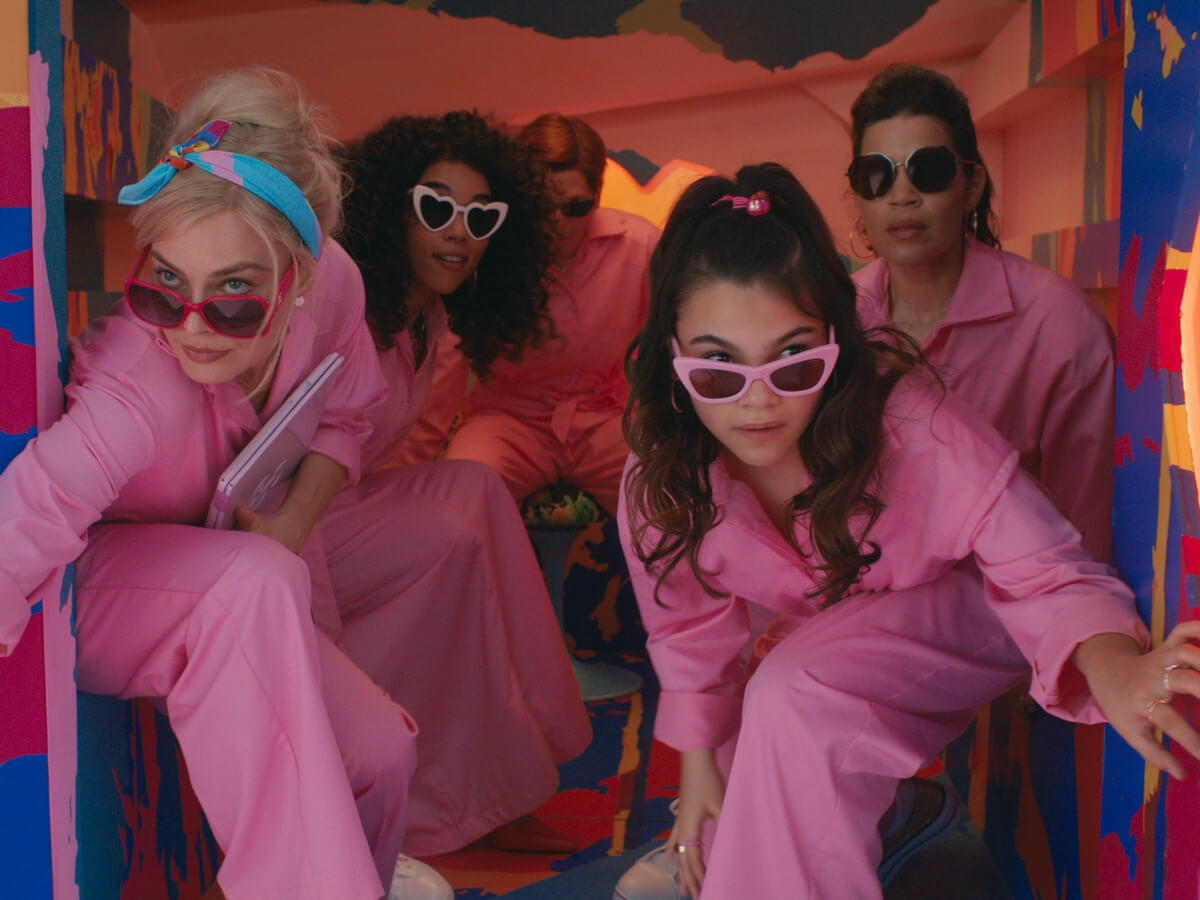
Gerwig directed “Barbie” from a screenplay she co-wrote with Oscar nominee Noah Baumbach (“Marriage Story,” “The Squid and the Whale”), based on Mattel’s Barbie character.
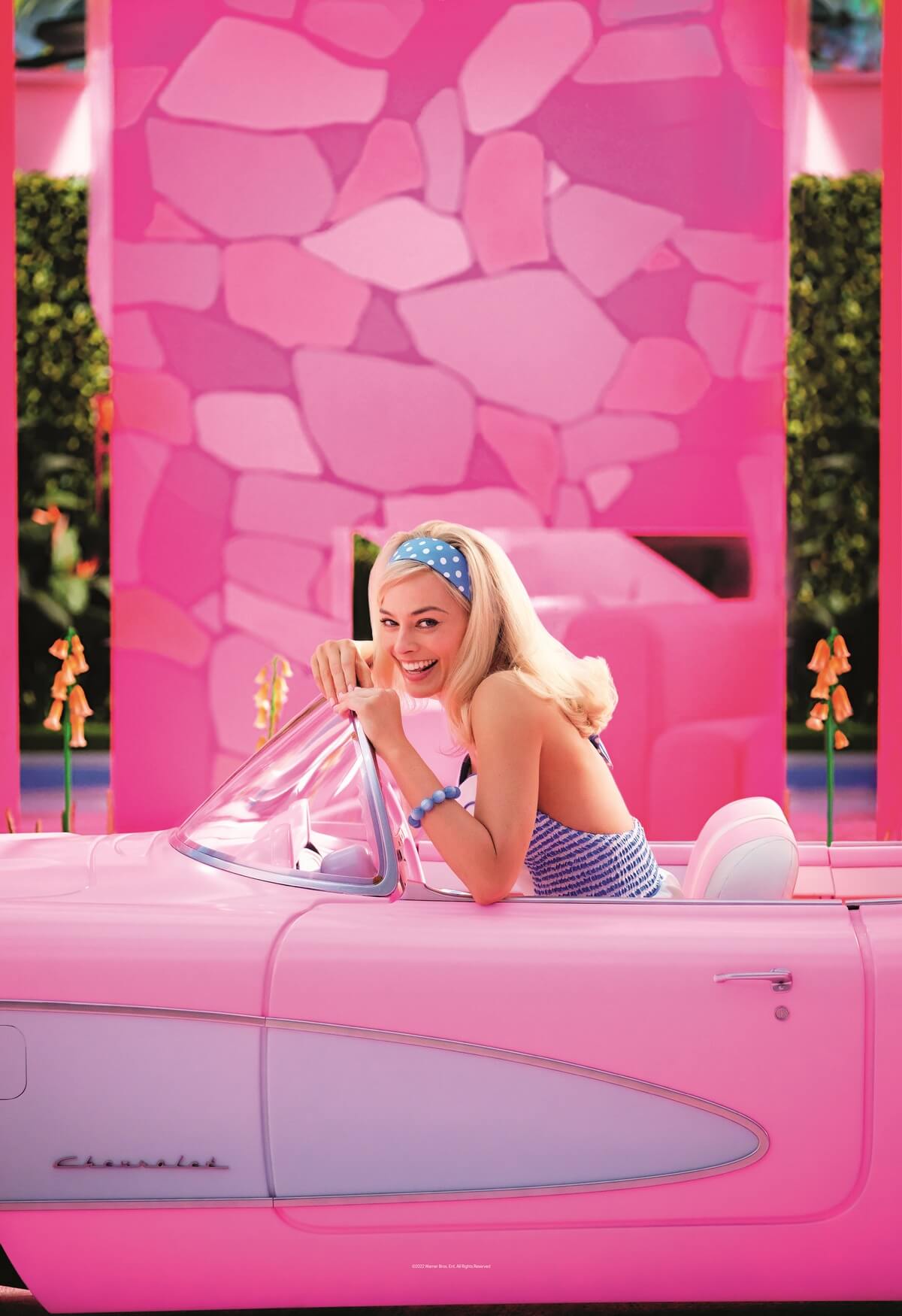
The film was produced by Oscar nominee David Heyman, Margot Robbie, Tom Ackerley, and Robbie Brenner, with Greta Gerwig, Noah Baumbach, Ynon Kreiz, Richard Dickson, Michael Sharp, Josey McNamara, Courtenay Valenti, Toby Emmerich, and Cate Adams serving as executive producers.
We’re looking forward to the film and are curious to see if other footwear brands besides adidas, Nike, and Birkenstock will make an appearance. Here’s the German trailer:
UPDATE, July 19, 2023:
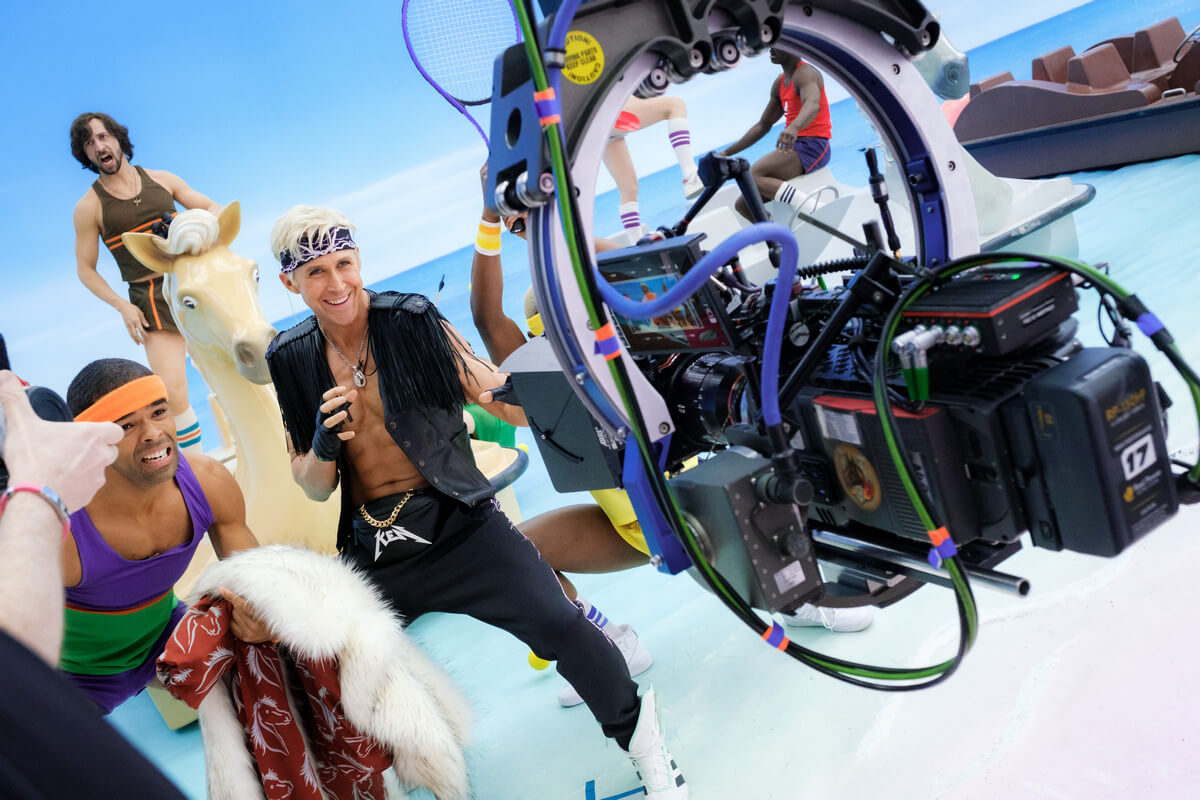
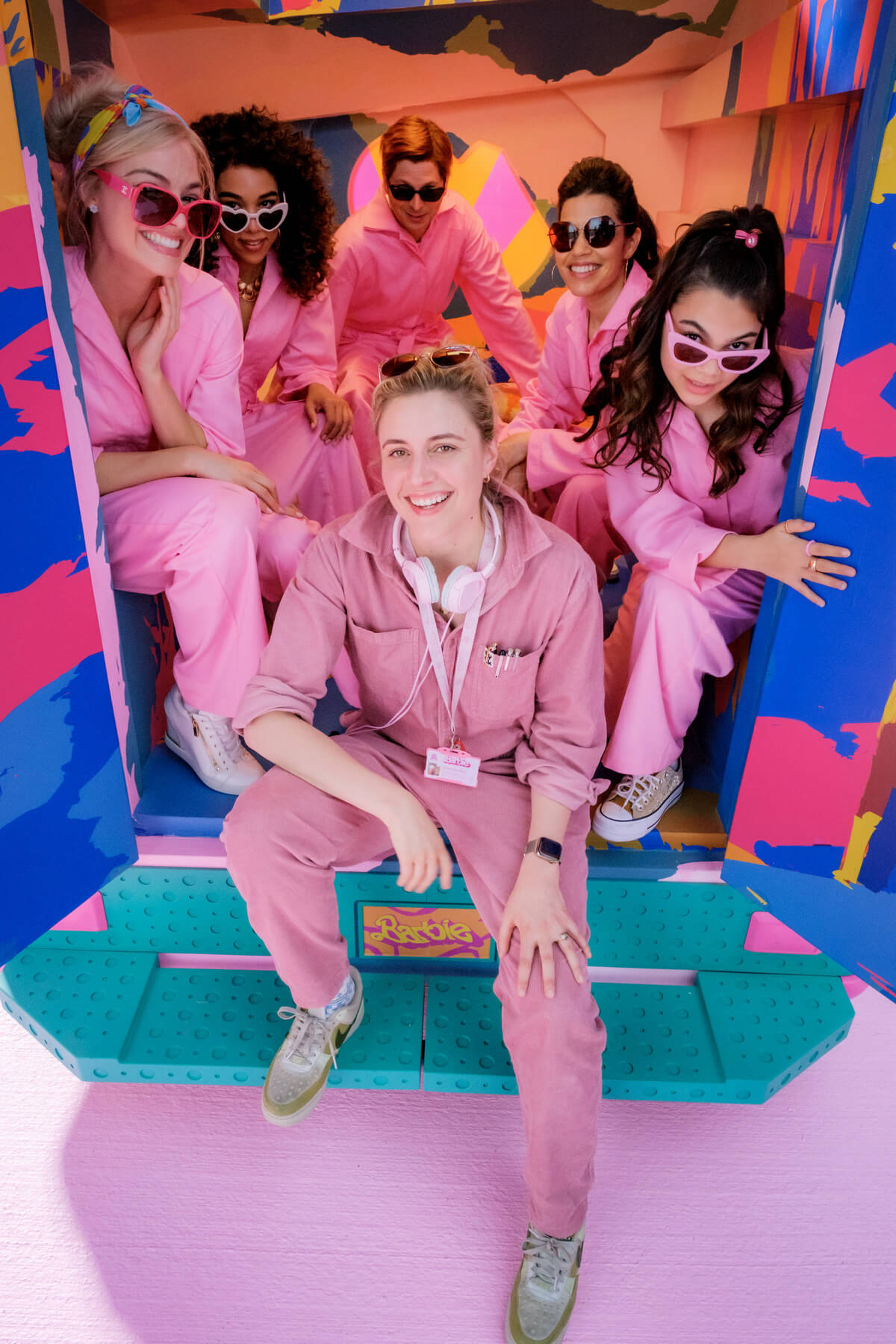
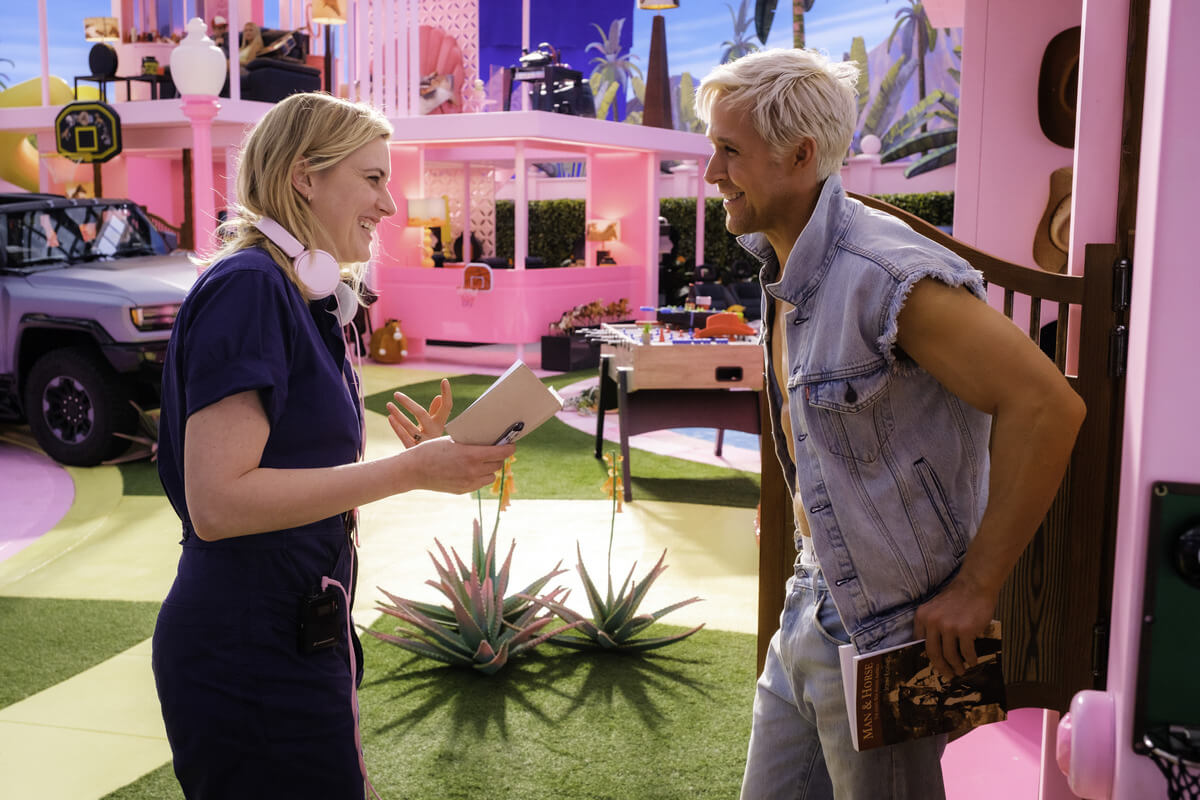
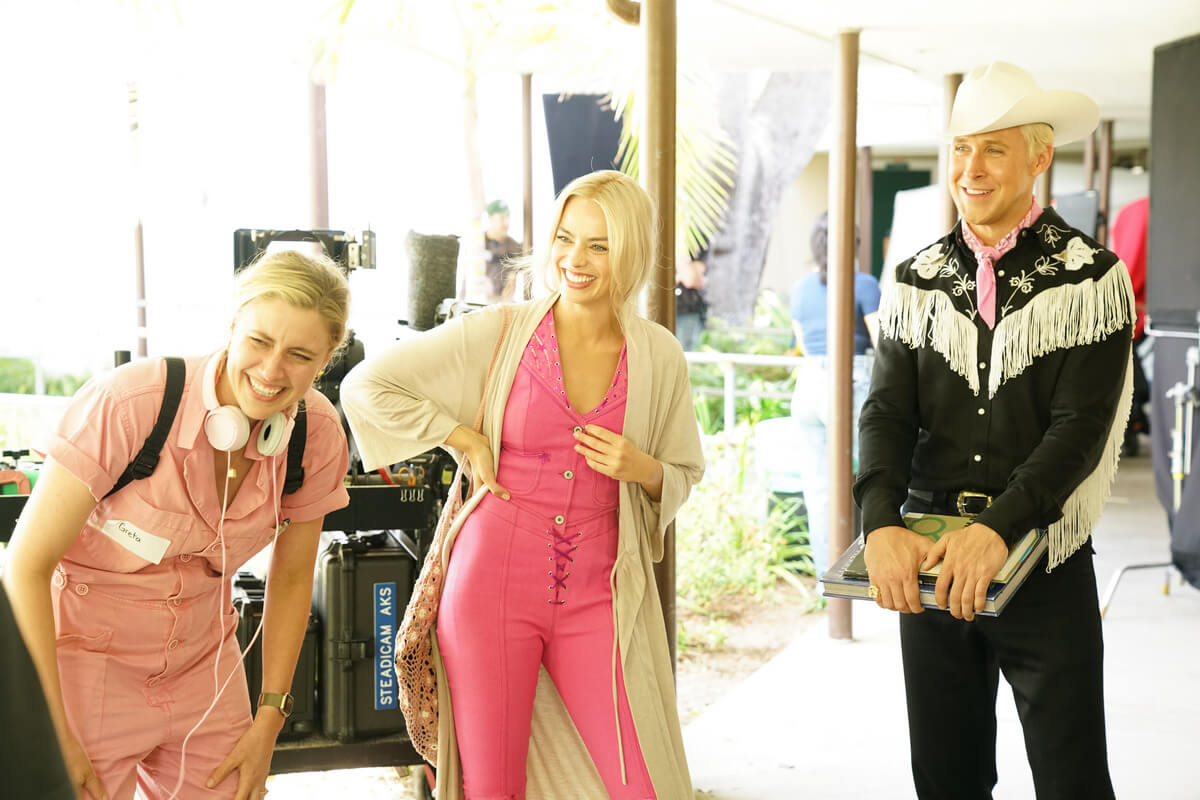
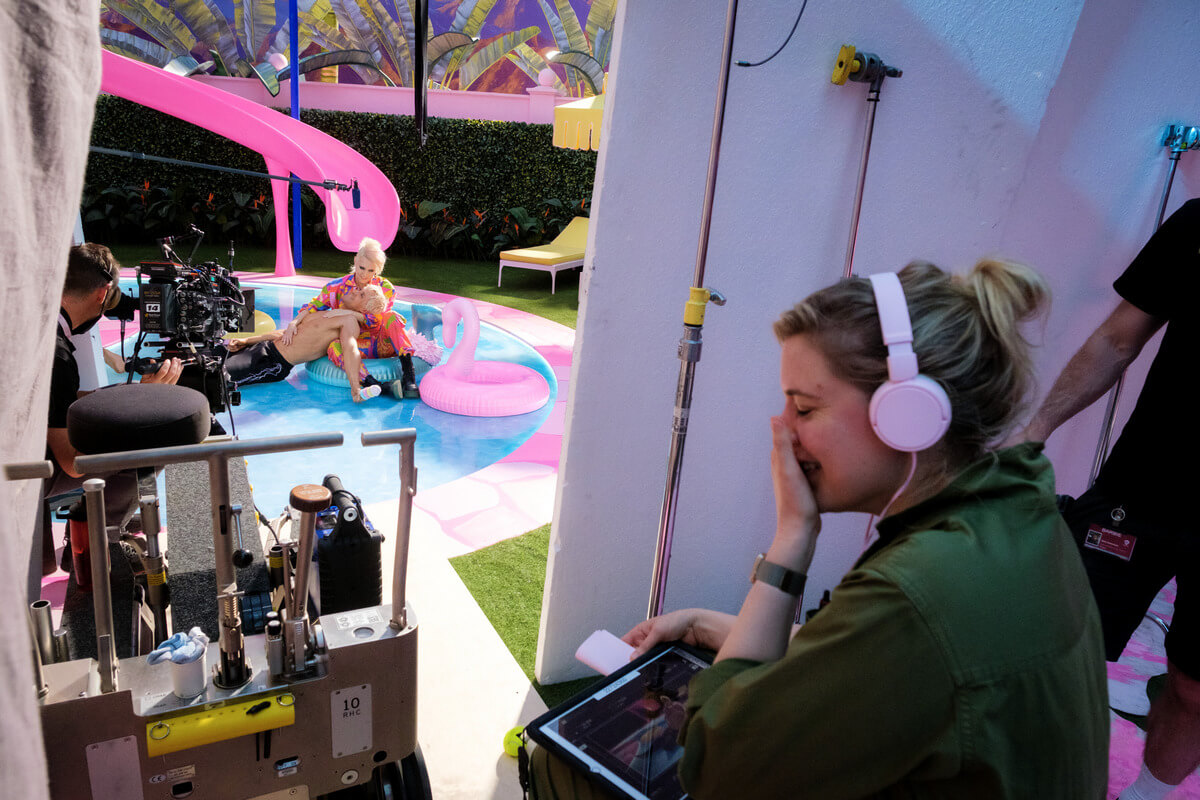
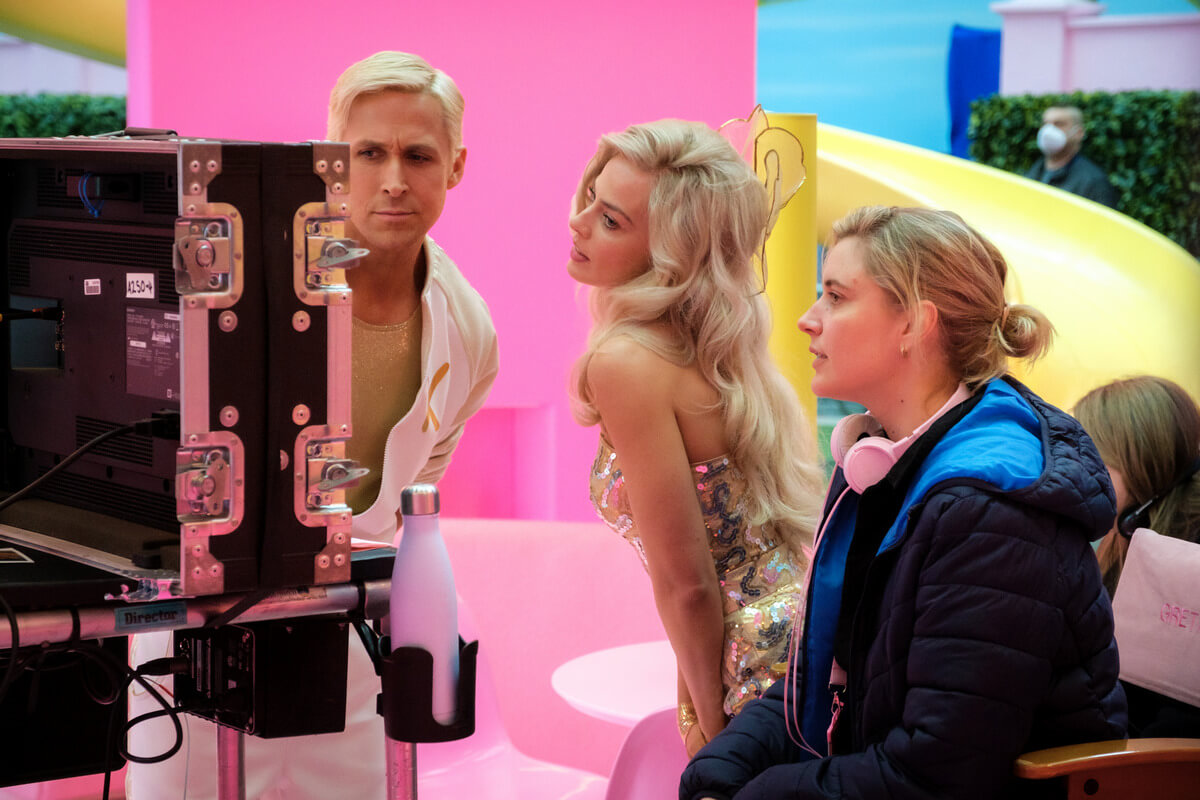
Tomorrow’s the day—the BARBIE movie hits German theaters. In the recently released behind-the-scenes photos, we spotted yet another sneaker on Ryan Gosling. It looks like an adidas boxing model. Feel free to correct us if we’re wrong.
Photos via Warner Bros., Mattel, KITH, Superga, Impala, Balmain, Reebok, Puma, Etsy, IMAGO / MediaPunch