Pop Meets Street Art: For the first time, international artists and designers from the street art scene—including Banksy, Shepard Fairey, Swoon, and JR—are coming together at the NRW-Forum Düsseldorf. Over 2,000 works of photography and graphic design, as well as graffiti, sculptures, and designer toys, merge into a vibrant total work of art celebrating pop culture.
Street art emerged from protest cultures, civil disobedience, and countercultural movements of the 1960s and 1970s. In the U.S., young graffiti artists spray-painted their names or simple symbols on buildings and subway cars.
Later, this evolved into increasingly sophisticated images that covered entire building walls. The entire city became a gallery, a space for communication and the negotiation of social issues.
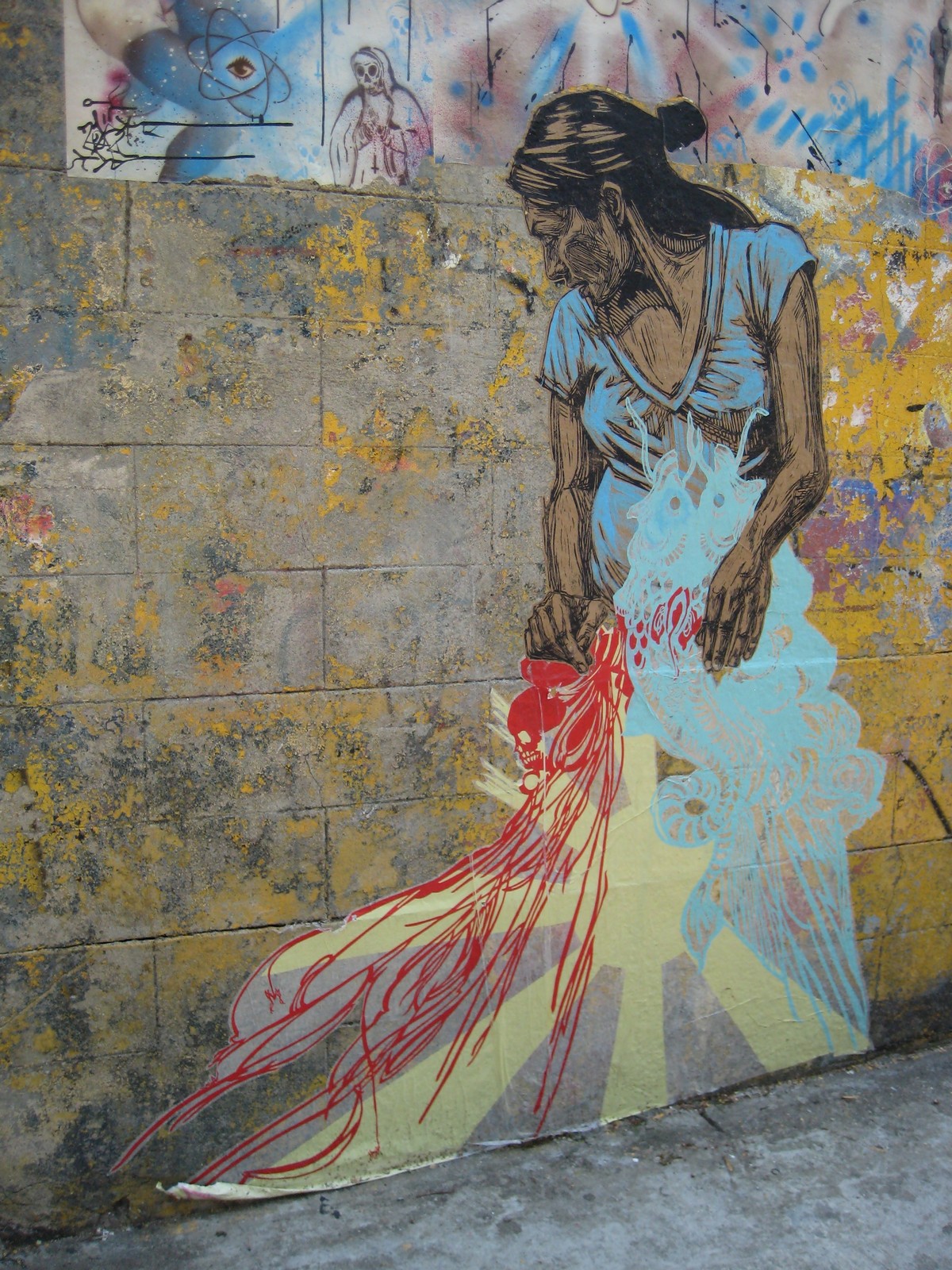
These works, characterized by their critique of society and consumerism, are just as relevant today as they were when they were first created. Taken together, they illustrate the creative, playful, and political potential of urban art, which—in addition to graffiti, stencils, stickers, and mosaics—also encompasses performances, various forms of guerrilla communication, and designer toys, featuring works by Banksy, Javier Calleja, Shepard Fairey, Daniel & Geo Fuchs, Futura, Mark Gonzales, Herakut, JR, KAWS, Conny Maier, Stefan Marx, Prune Nourry, Hoker One, Os Gêmeos, Ricky Powell, Stefan Strumbel, and Swoon.
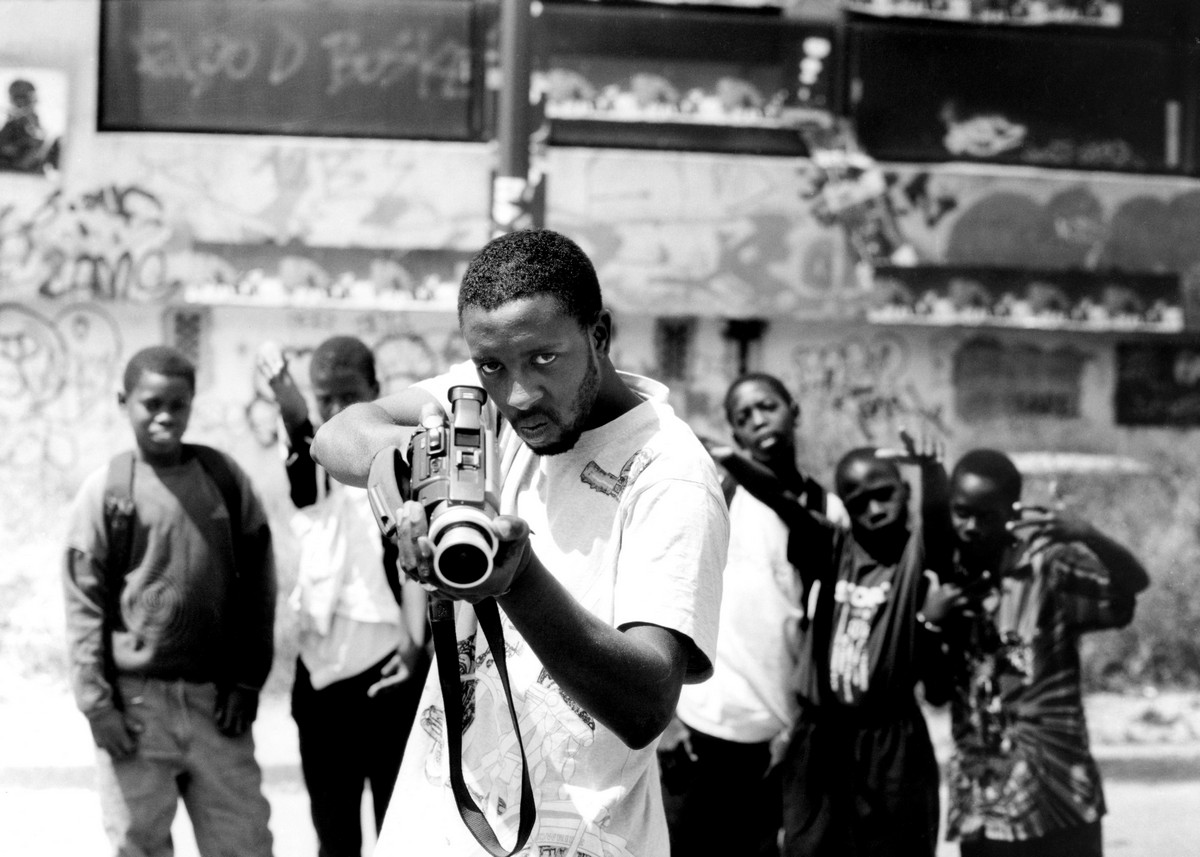
The exhibition begins with the origins of street art in the Bronx, New York, featuring documentary street photography from the 1970s through the 1990s by artists such as Ricky Powell, Martha Cooper, and Futura, as well as the first stencils and pastings by Banksy and Swoon.
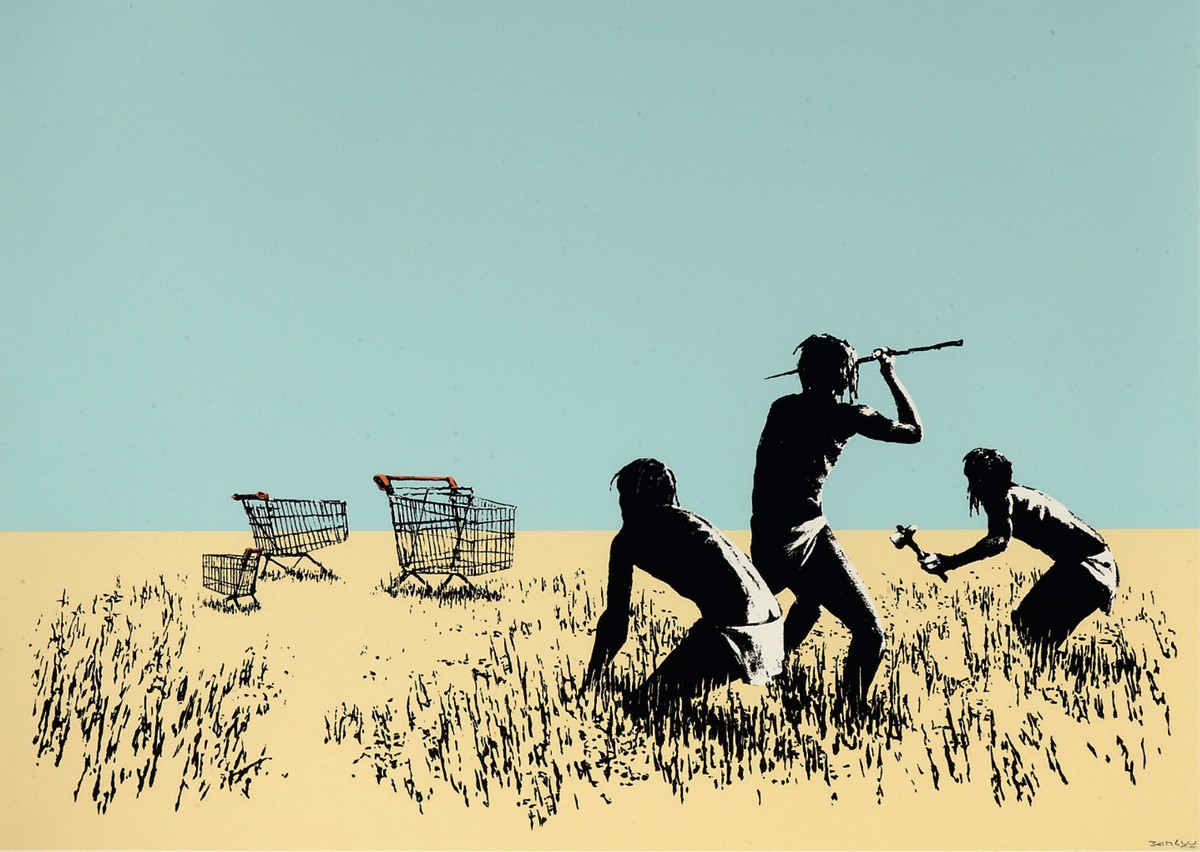
Banksy is the pseudonym of a British artist, activist, and film director whose identity remains unconfirmed. His works are political and social commentaries that can be seen on streets, walls, and bridges around the world.
He is known for his dark humor and distinctive stencil technique and is regarded as a critic of capitalism and the art market.
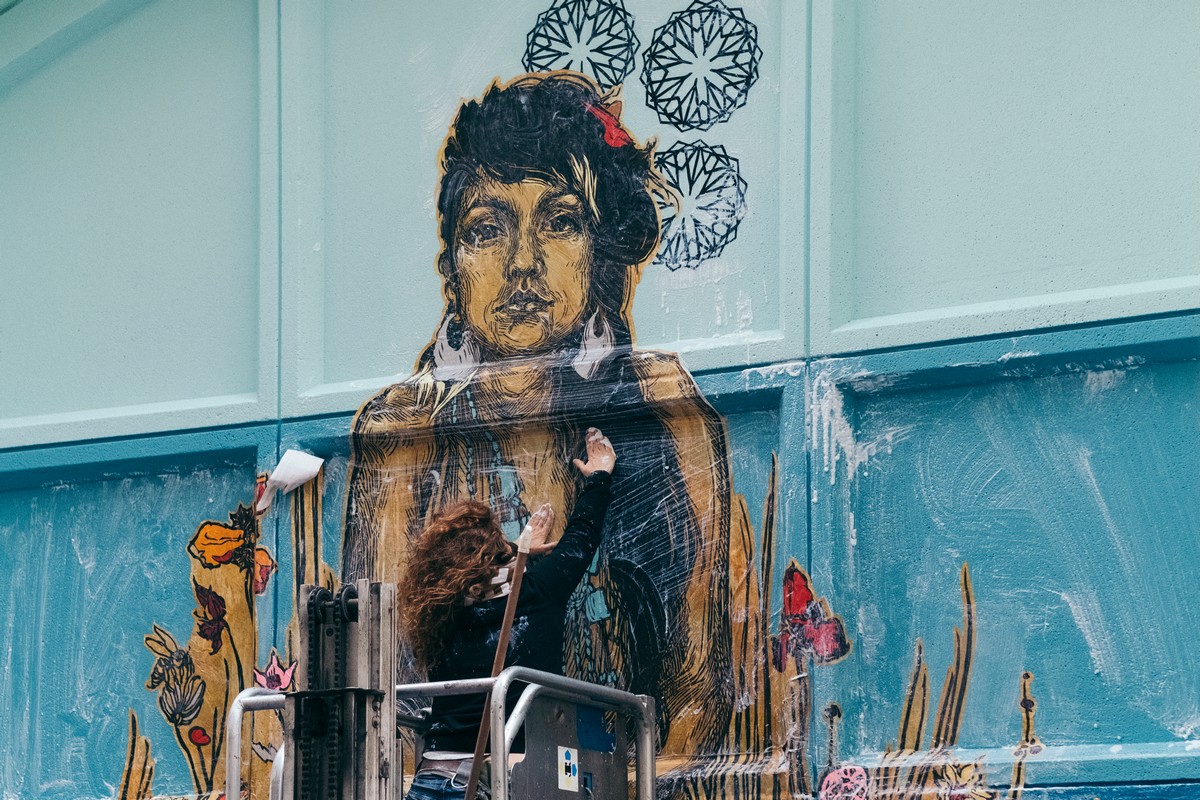
Since the late 1990s, the American artist Swoon has been creating life-size, elaborately designed figures out of recycled newspaper, which—unusually for street art—she spends a long time preparing in her studio.
Her works are large-scale, illustrative portraits that she pastes onto industrial structures, abandoned buildings, bridges, or water towers. She works primarily collaboratively and is committed to social issues and environmental protection.
The pioneers of street art took great risks and, due to their illegal activities, often remained—and remain—anonymous. Nevertheless, some of them have achieved great fame, such as the French artist JR, who also keeps his true identity a secret.
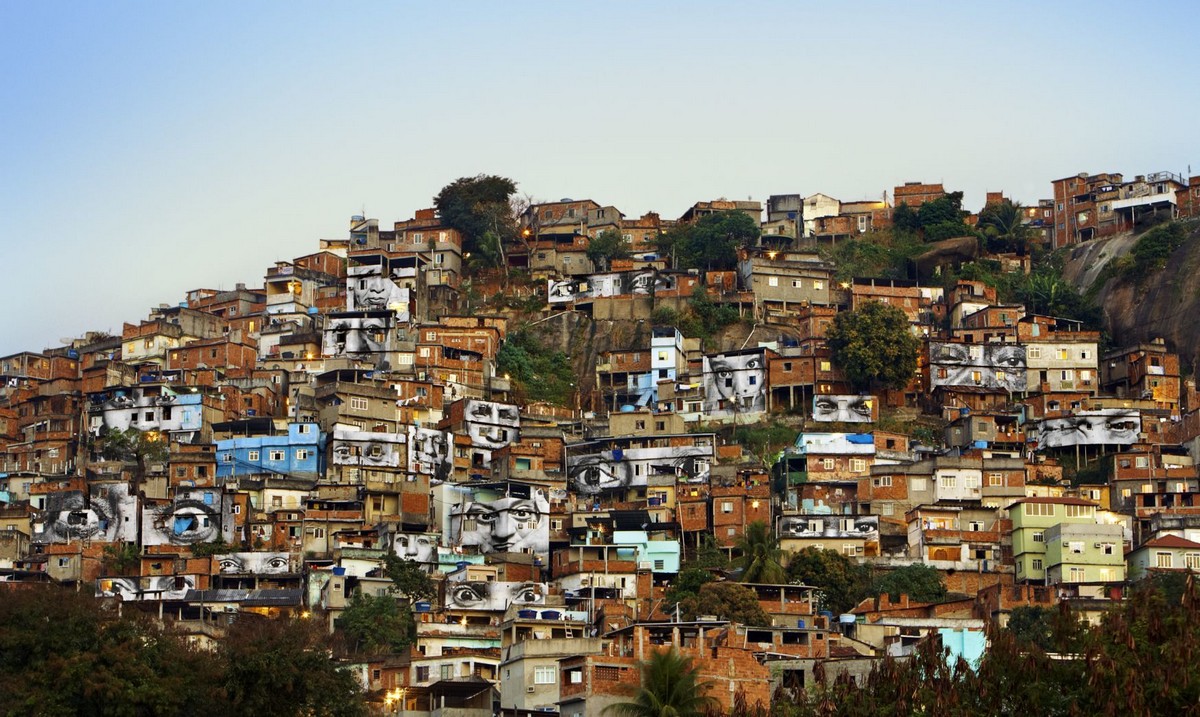
He displays his works as large-format posters on building facades, staircases, and walls. The mostly extreme close-ups of human faces draw attention to social and political issues, such as the series featured in the exhibition *Portrait d’une Generation* (2004), which addresses youth crime in the banlieues, or *Face 2 Face* (2007), a series of close-ups of religious leaders from Israel and Palestine.
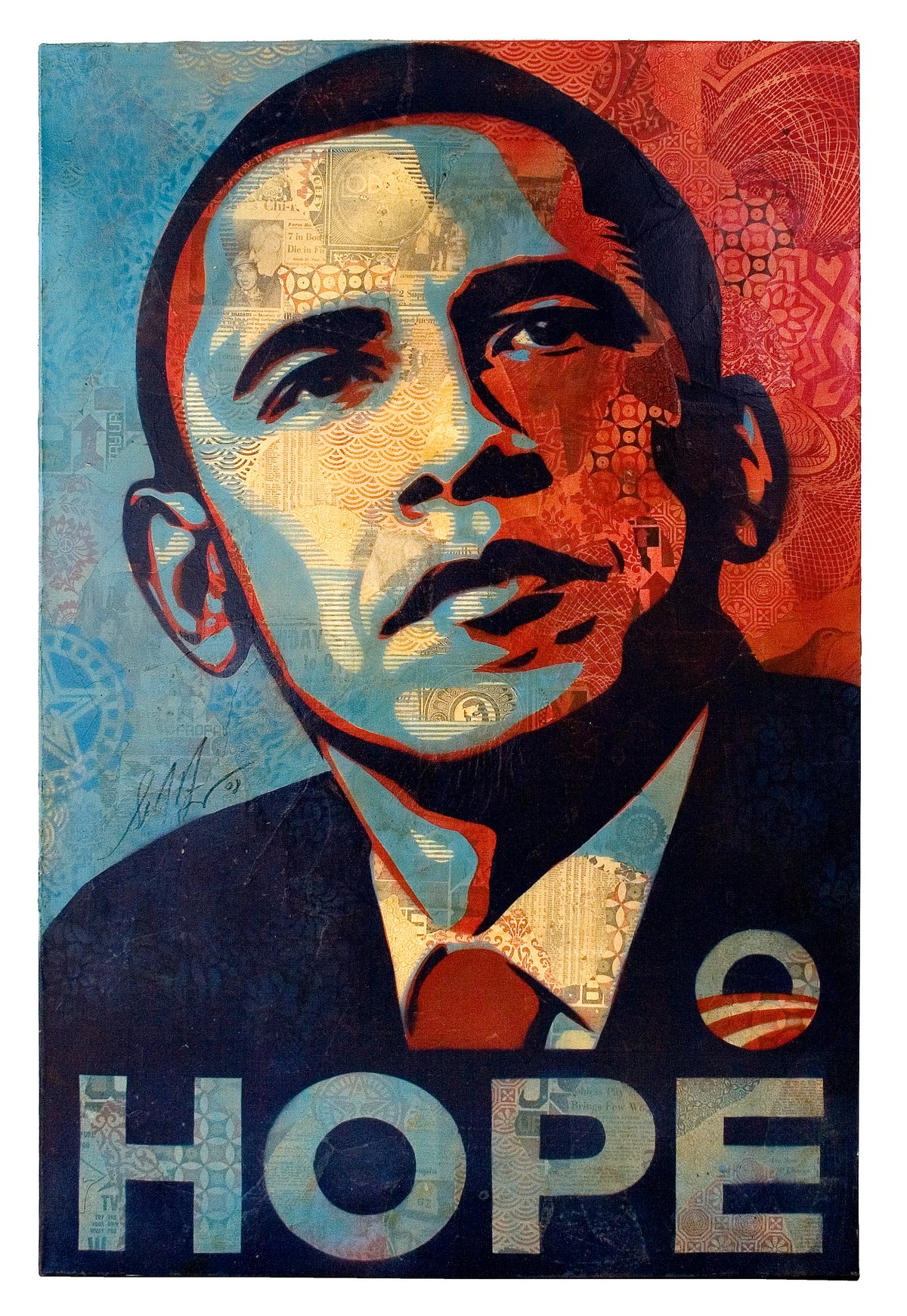
Artist and designer Shepard Fairey, who began by creating drawings on T-shirts and skateboards, became world-famous when he designed the “HOPE” campaign poster for former U.S. President Barack Obama.
Featuring more than 250 works, the exhibition presents a wide selection of prints by the American artist, who is also known for his anti-capitalist streetwear brand Obey.
Street art has since become so popular that many artists are now represented internationally by major galleries, and works by artists such as Banksy or KAWS fetch millions at art auctions. Brian Donnelly, better known by his artist name KAWS, has found success with paintings and sculptures as well as designer toys.
In the 1990s, he made a name for himself as a graffiti artist by painting over advertising posters in public spaces with his own motifs and reinterpreting them ironically.
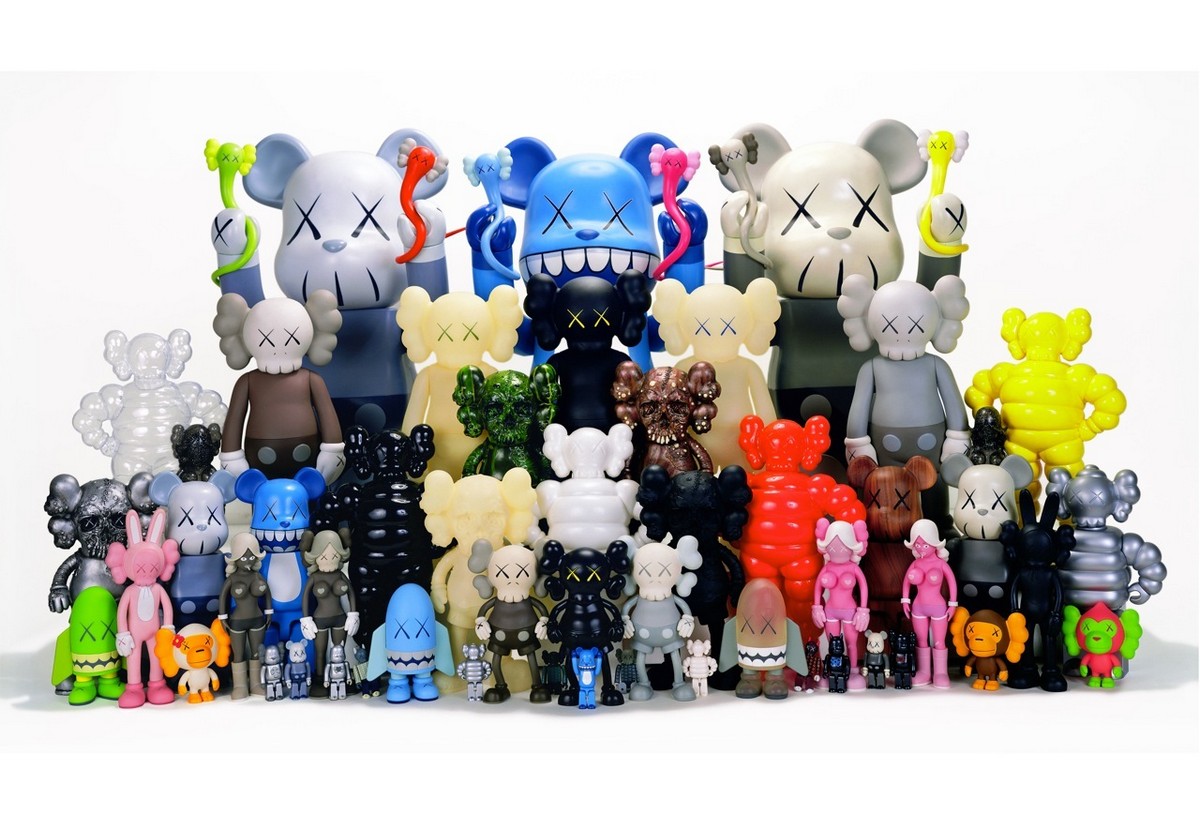
The “Companion” character—which he invented and frequently used, featuring crossed-out eyes—served as the starting point for many of his designer toys, released as limited editions, to which the exhibition dedicates a separate room.
Designer toys are artistic fantasy figures or variations on well-known commercial characters, often produced in limited editions, which emphasizes their mass-produced nature and sparks the interest of collectors.
KAWS’s distinctive design is reflected not only in his sculptural editions but also in the Be@rbrick figures produced by the Japanese manufacturer Medicom.
The exhibition features one of the most extensive collections of cubist bears, designed by numerous international artists.
Many of the selected artists come from the skateboarding and graffiti scenes and grew up with characters like Bart Simpson and Luke Skywalker—which is why the exhibition also serves as a reunion with pop culture icons of the 1980s and 1990s.
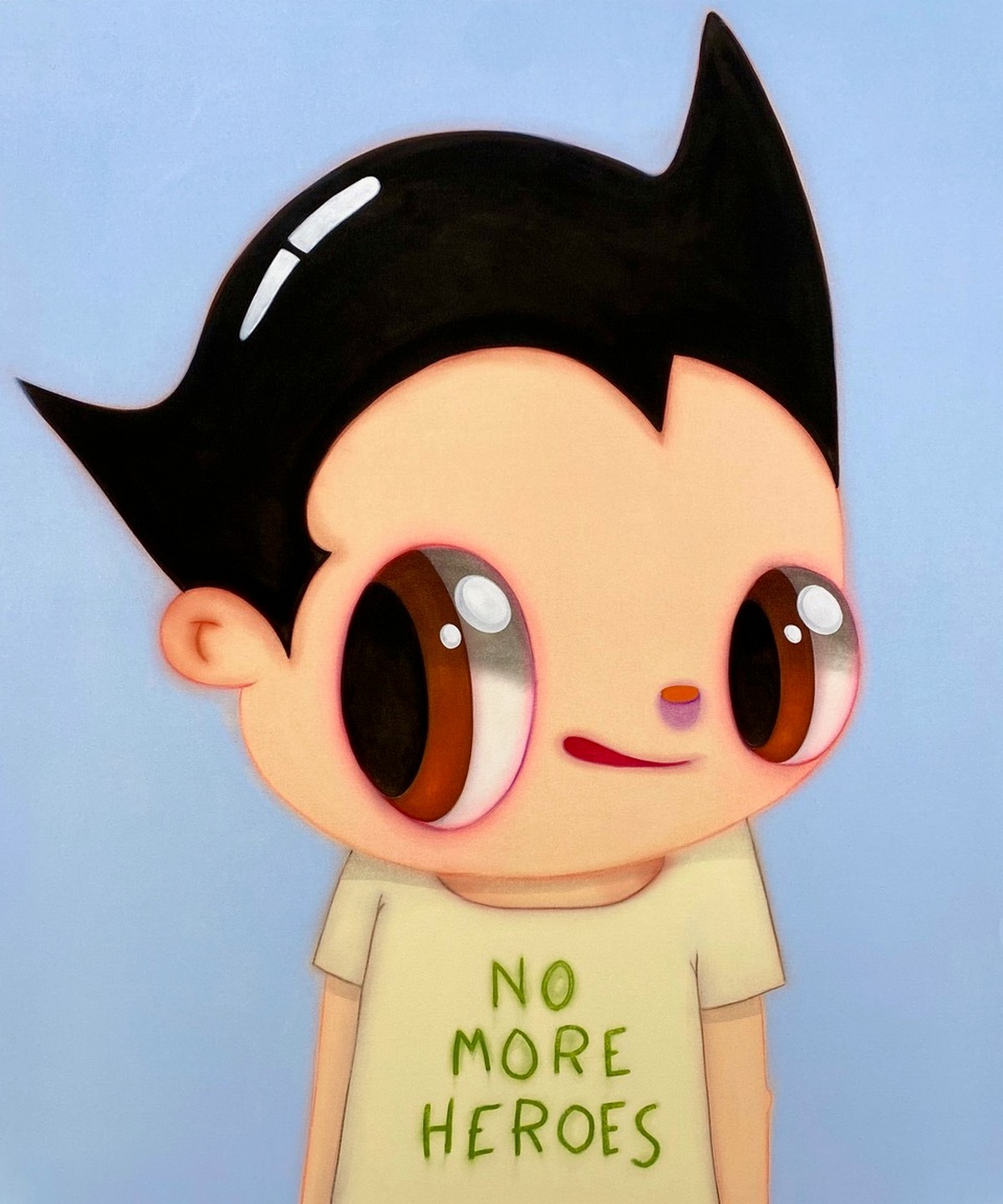
While Daniel & Geo Fuchs’ photographs feature close-ups of superheroes like Batman, Javier Calleja’s manga character Astroboy (No More Heroes) is inspired by the “kawaii” aesthetic (Japanese: lovable, sweet, or cute).
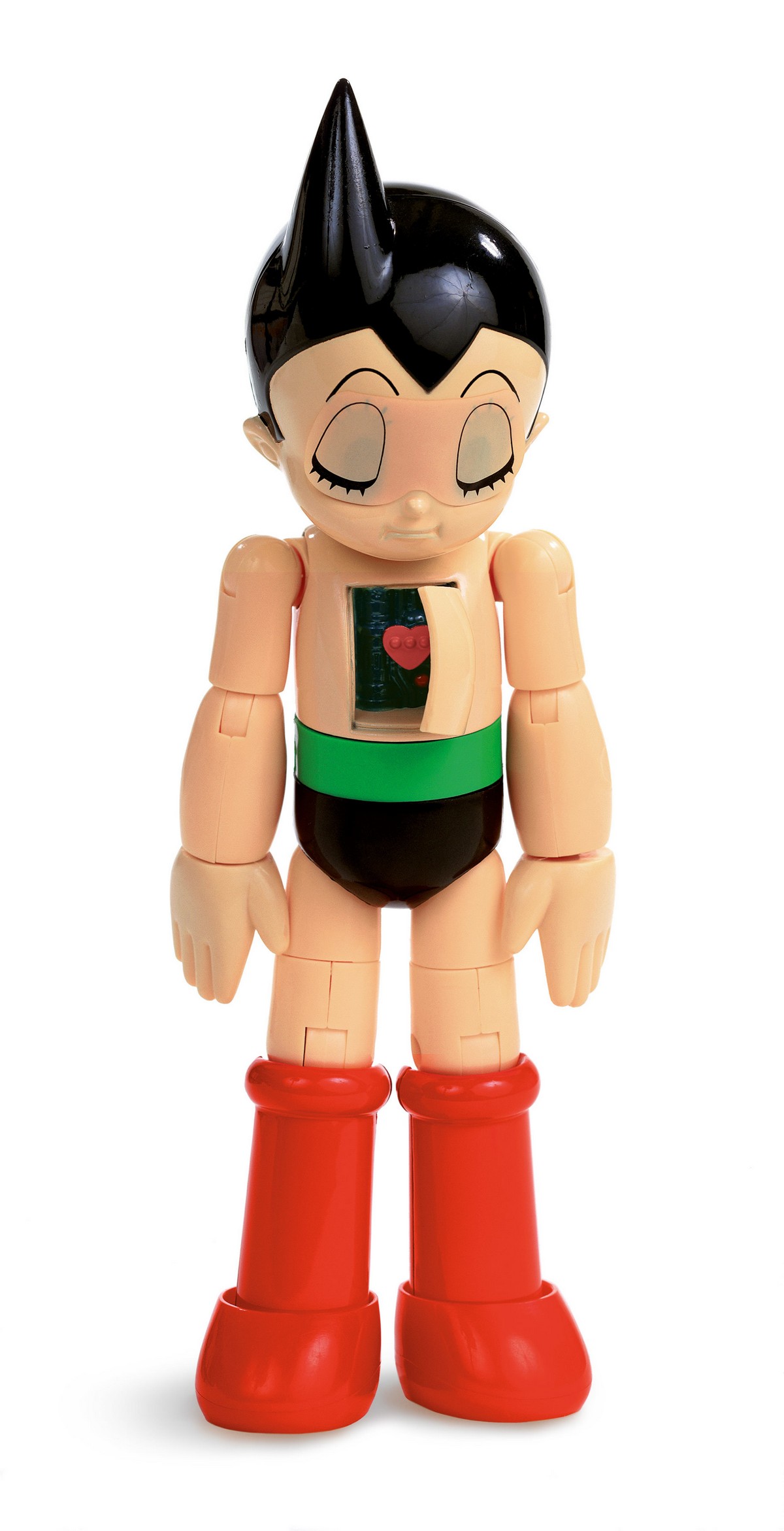
In many Japanese toys, New York street culture—including hip-hop, breakdancing, and graffiti—blends with manga culture, giving rise to a distinct market and visual universe.
Designer toys are hybrid entities: straddling the line between children’s toys and collector’s items, they stem, on the one hand, from the logic of play and mass production and, on the other, are shaped by the protest and countercultures of street art.
All of the works come from the collection of Düsseldorf-based entrepreneur Selim Varol, who has been collecting for over 30 years and, with more than 10,000 works, has assembled what is arguably one of the most extensive collections of urban art and designer toys in Europe.
The exhibition is curated by Alain Bieber, artistic director of the NRW-Forum Düsseldorf, and Judith Winterhager, co-curator at the NRW-Forum.
The exhibition “Wonderwalls – Street Art and Designer Toys” will be on view from September 30 through February 5 at the NRW-Forum Düsseldorf (Ehrenhof 2, 40479 Düsseldorf).
Photos via NRW Forum Düsseldorf