To mark its 50th anniversary, the Schirn Kunsthalle Frankfurt is dedicating a major, interdisciplinary exhibition to hip-hop and its profound influence on contemporary art and culture in our society, running from February 29 to May 26, 2024.
Hip-hop emerged in the Bronx in New York City in the 1970s as a cultural movement among Black and Latinx youth. Through large block parties, it quickly evolved into a culture based on the four pillars of MCing or rapping, DJing, breaking or breakdancing, and graffiti.
From the very beginning, hip-hop challenged dominant structures and cultural narratives, offering new ways to express diasporic experiences and create alternatives to existing power dynamics.
This was accompanied by a growing social and political consciousness as well as the development of knowledge, which are considered the fifth pillar. Today, hip-hop is a global phenomenon that has driven numerous innovations in music, fashion, technology, and the visual and performing arts.
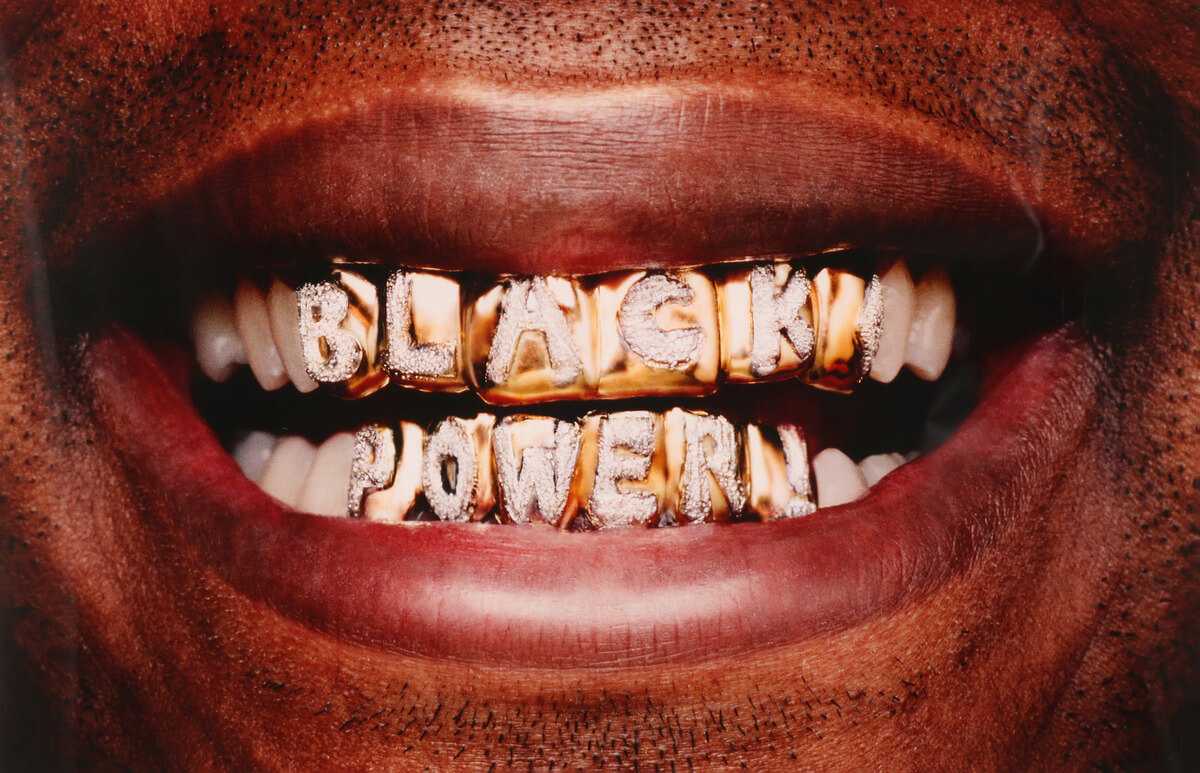
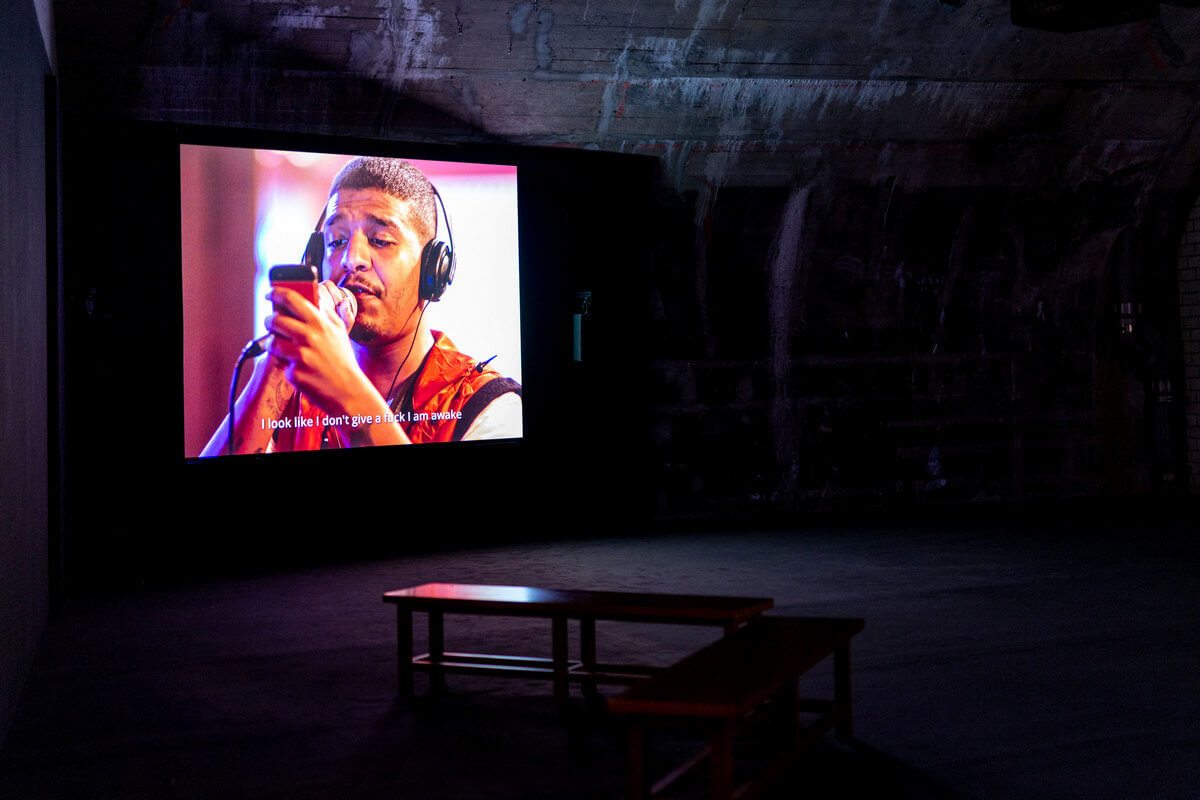
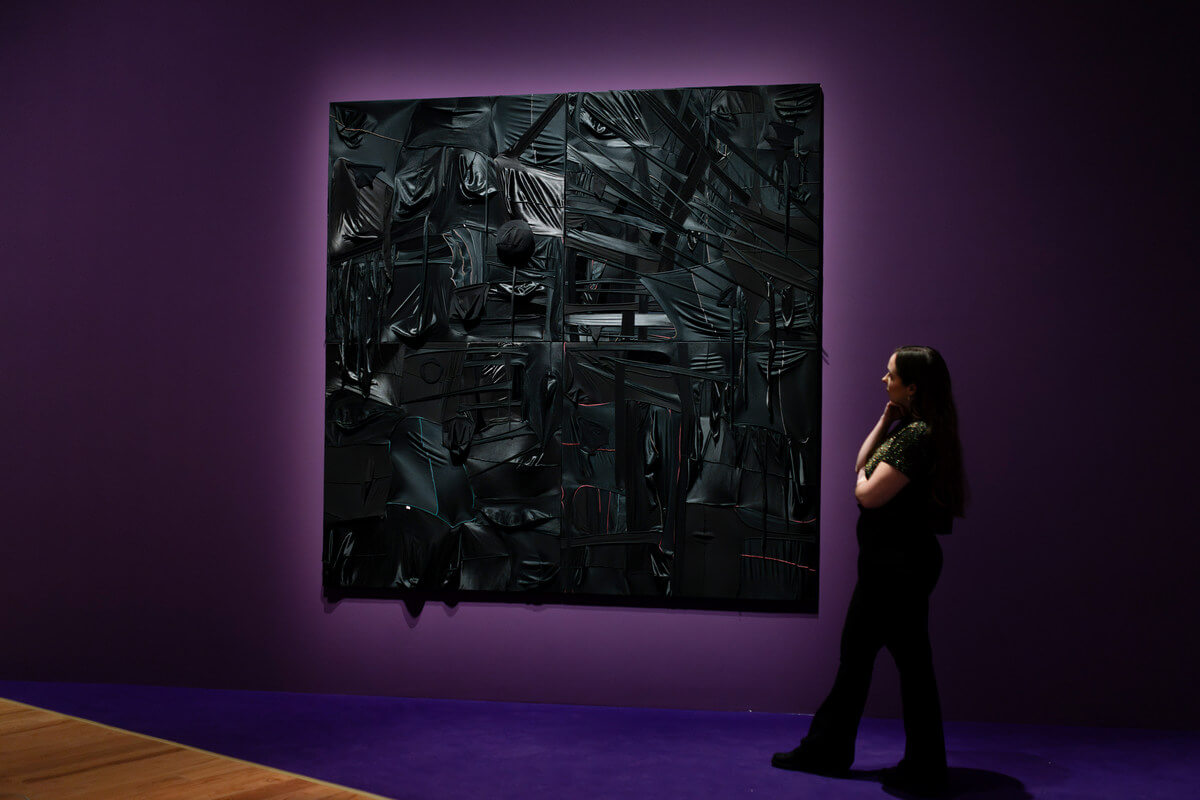
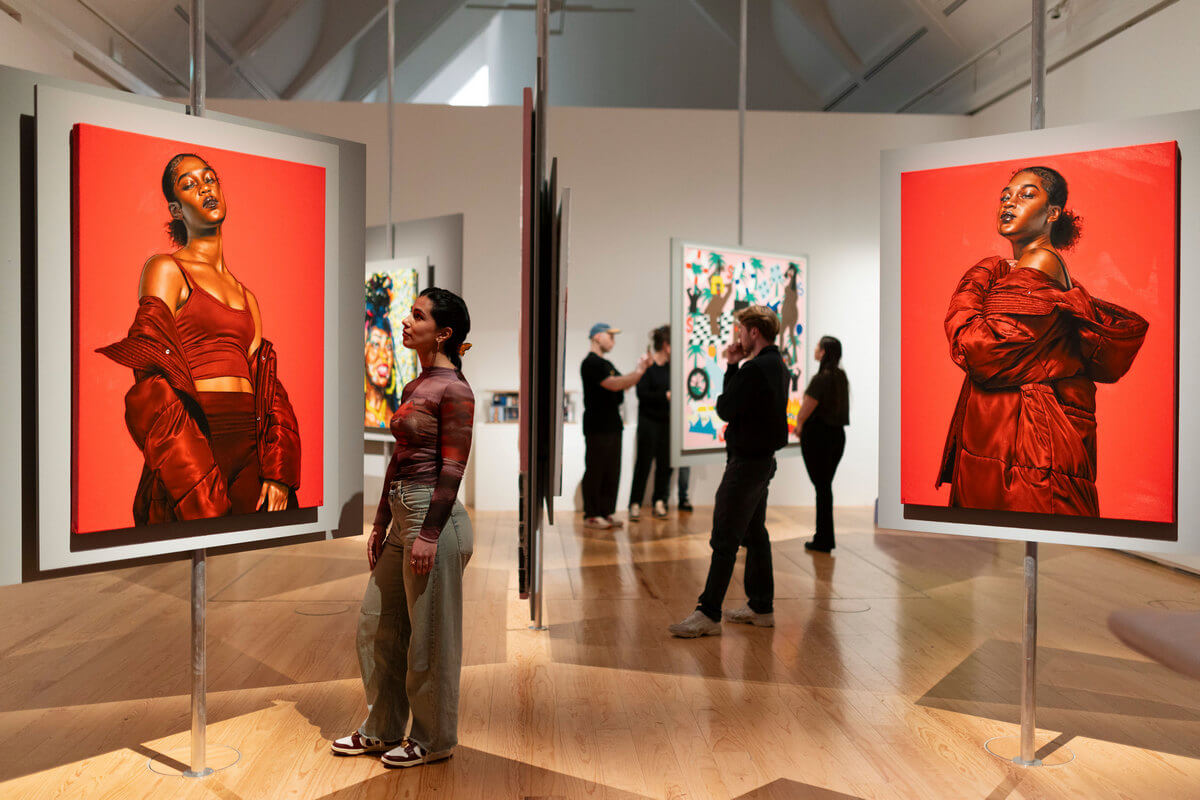
Drawing on hip-hop’s origins in the United States, the exhibition “THE CULTURE” presents over 100 works, mostly from the past 20 years, including paintings, photographs, sculptures, and videos, as well as fashion pieces by internationally renowned contemporary artists such as Lauren Halsey, Julie Mehretu, Tschabalala Self, Arthur Jafa, Kahlil Joseph, Virgil Abloh, and Gordon Parks. It is organized into six thematic sections: Pose, Brand, Jewelry, Tribute, Rise, and Language.
“THE CULTURE” highlights the political, cultural, and aesthetic characteristics that have made hip-hop a global phenomenon and established it as an artistic canon of our time. The exhibition also addresses contemporary issues and debates—ranging from identity, racism, and cultural appropriation to sexuality, feminism, and empowerment.
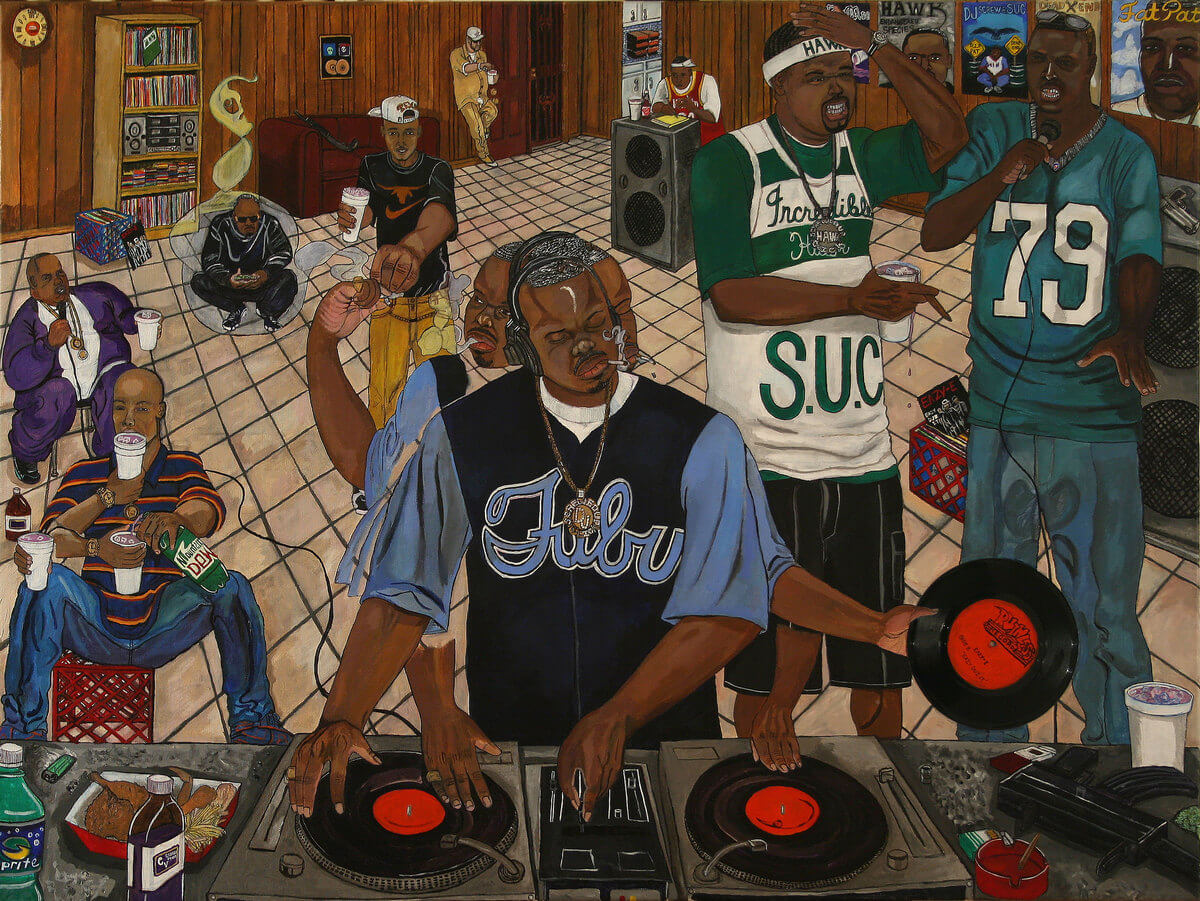
Sebastian Baden, director of the Schirn Kunsthalle Frankfurt, emphasizes: “Hip-hop is a socially transformative and influential cultural movement that is being presented for the first time in Germany in an artistic exhibition context at the Schirn.
Together with international partners, we are showcasing the profound influence hip-hop has had on contemporary art and pop culture over the past 20 years. With a comprehensive supporting program, the Schirn also explores aspects of the local hip-hop scene—its connections to, but also its differences from, U.S. history, as well as contemporary debates about empowerment and identity.”
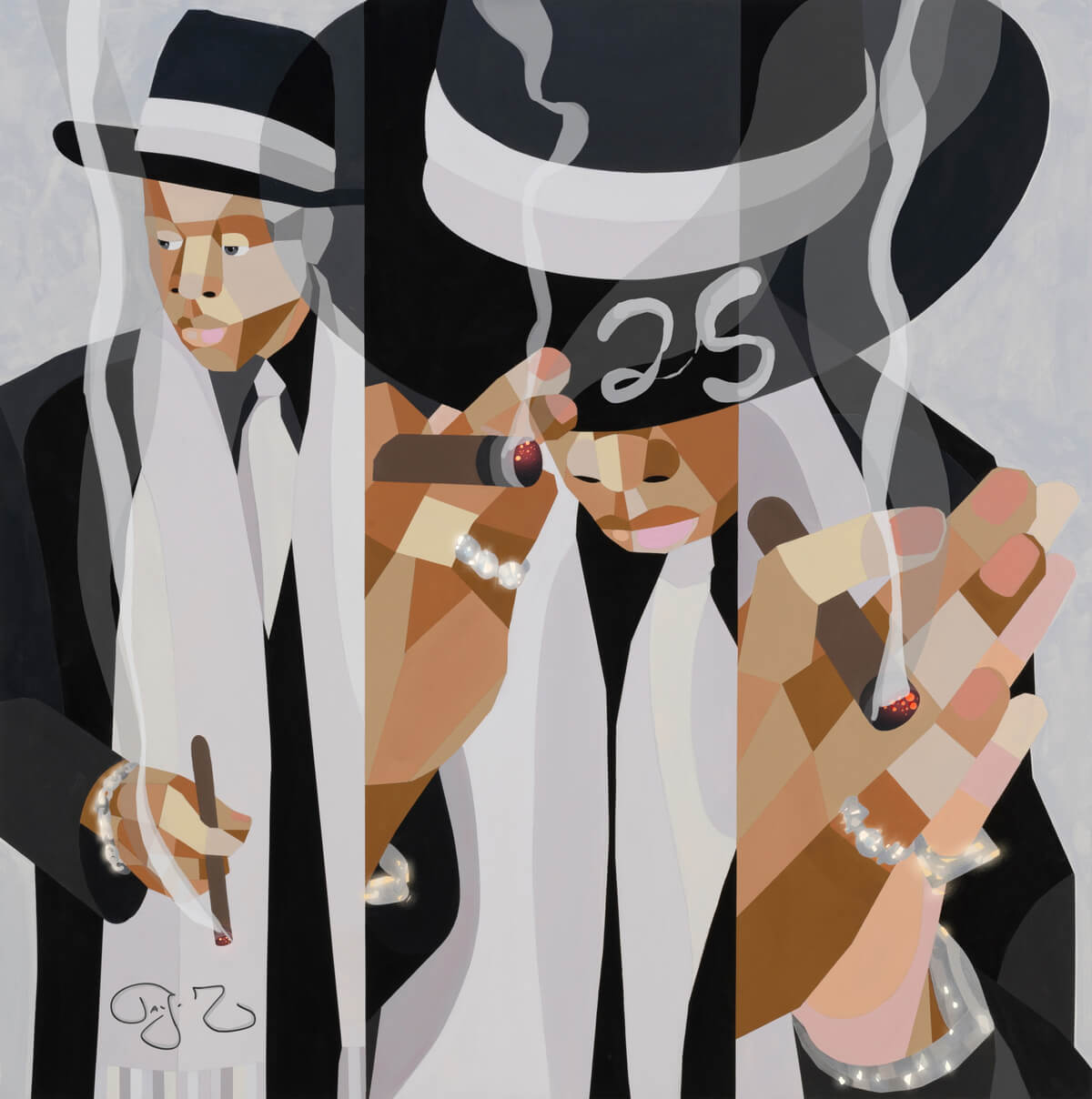
Curators Asma Naeem (Baltimore Art Museum, Dorothy Wagner Wallis Director) and Gamynne Guillotte (former Chief Education Officer), Hannah Klemm (formerly Associate Curator of Modern and Contemporary Art, Saint Louis Art Museum), and Andréa Purnell (Community Collaborations Manager) on the exhibition:
“Hip-hop’s influence on culture is so significant that it has become a new canon. This canon competes with the Western art-historical tradition that many museums use as a guide for developing their exhibitions. Hip-hop presents alternative ideals of artistic quality and excellence that focus on Afro-Latin American identities and histories.
The exhibition highlights that many of today’s most compelling visual artists engage directly with this canon in their practice. Hip-hop’s visual culture, with its subversive tactics and commitment to social justice, appears everywhere in contemporary art—in painting, performance, fashion, architecture, and technology.”
The exhibition was organized by the Baltimore Museum of Art and the Saint Louis Art Museum and is presented in collaboration with the Schirn Kunsthalle Frankfurt.
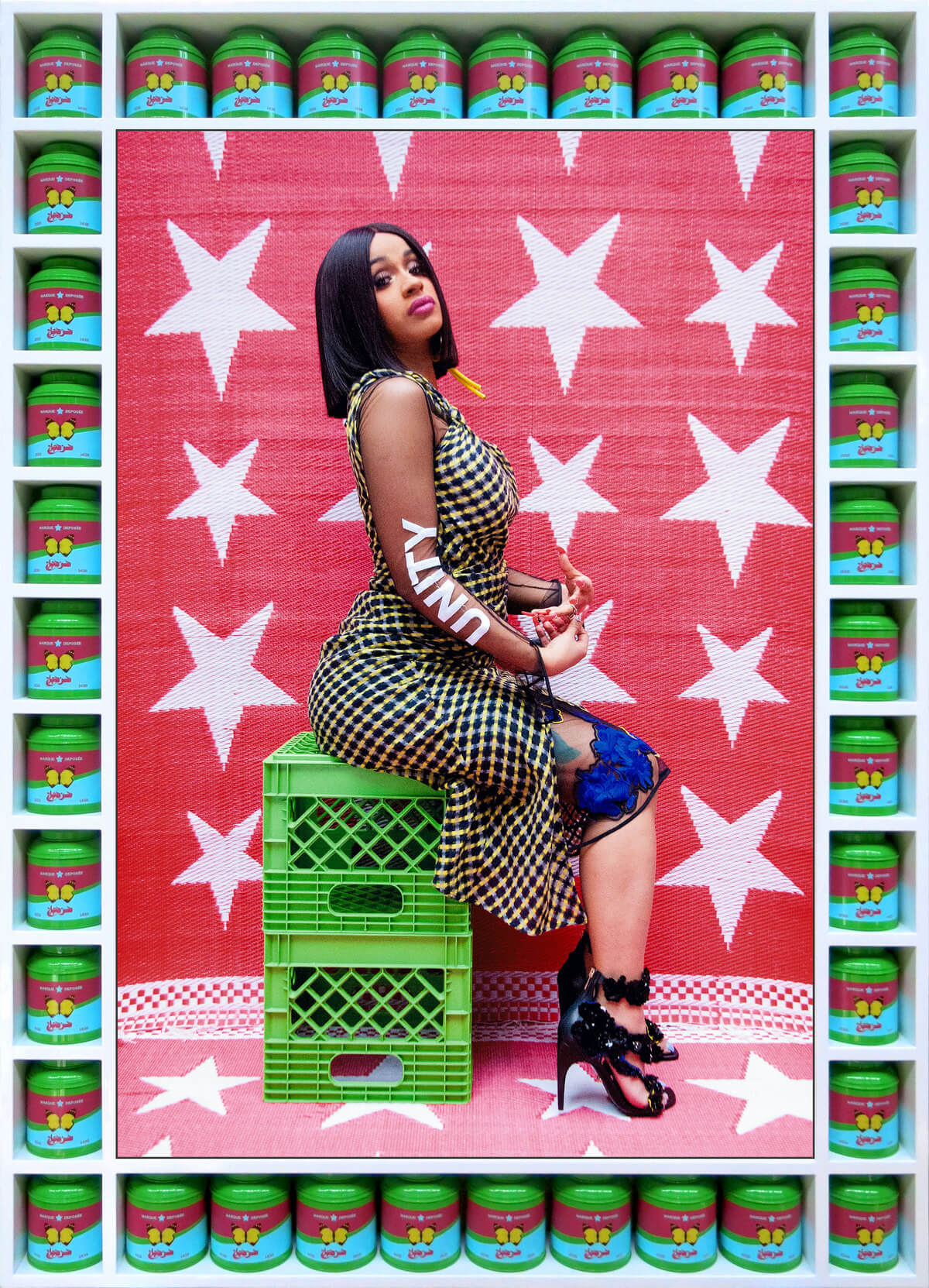
THE SECTIONS OF THE EXHIBITION
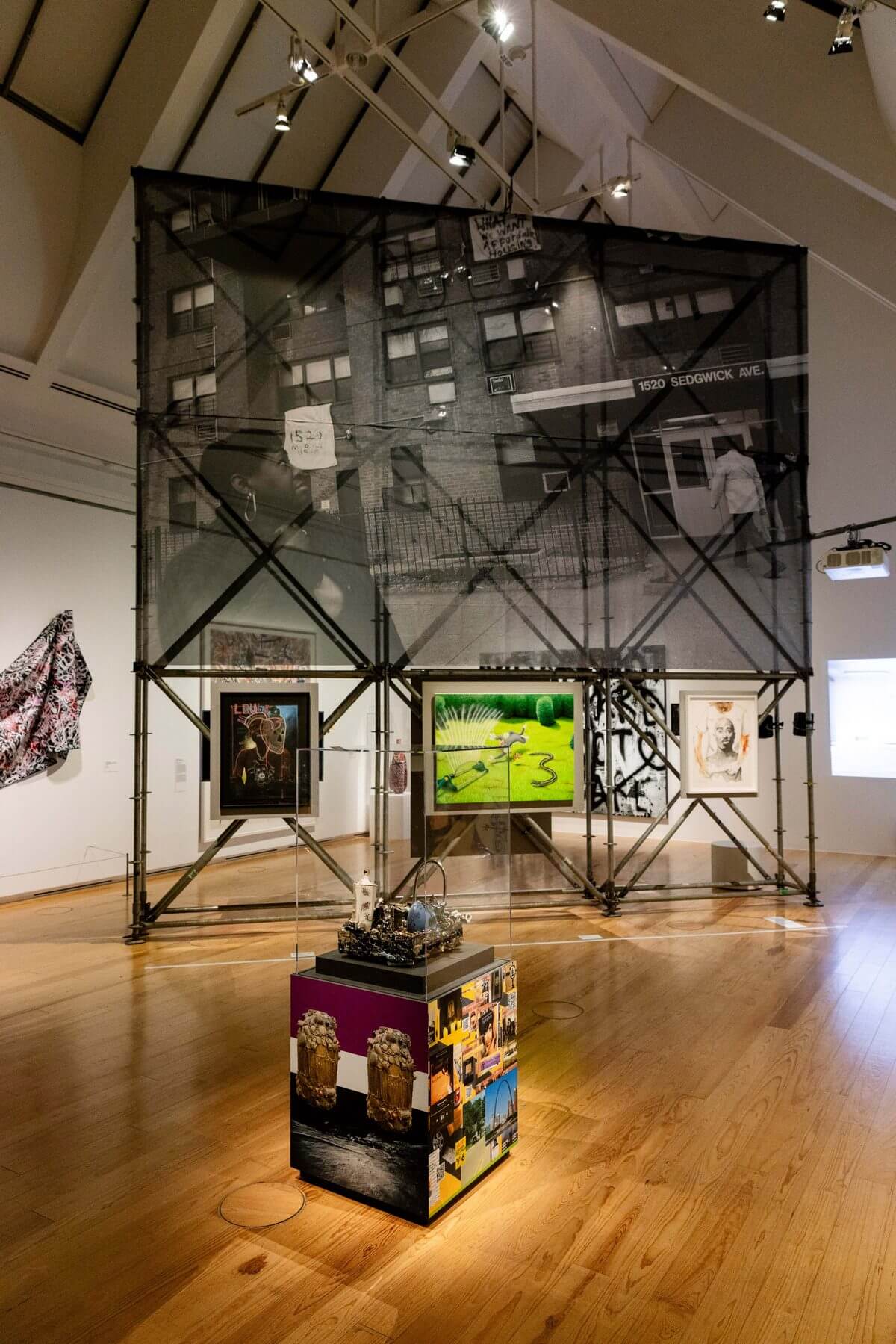
“THE CULTURE” presents, across six sections, artistic works in a dynamic dialogue with fashion and historical ephemera. Some works are directly related to hip-hop songs, which can be accessed and listened to in the exhibition via QR codes.
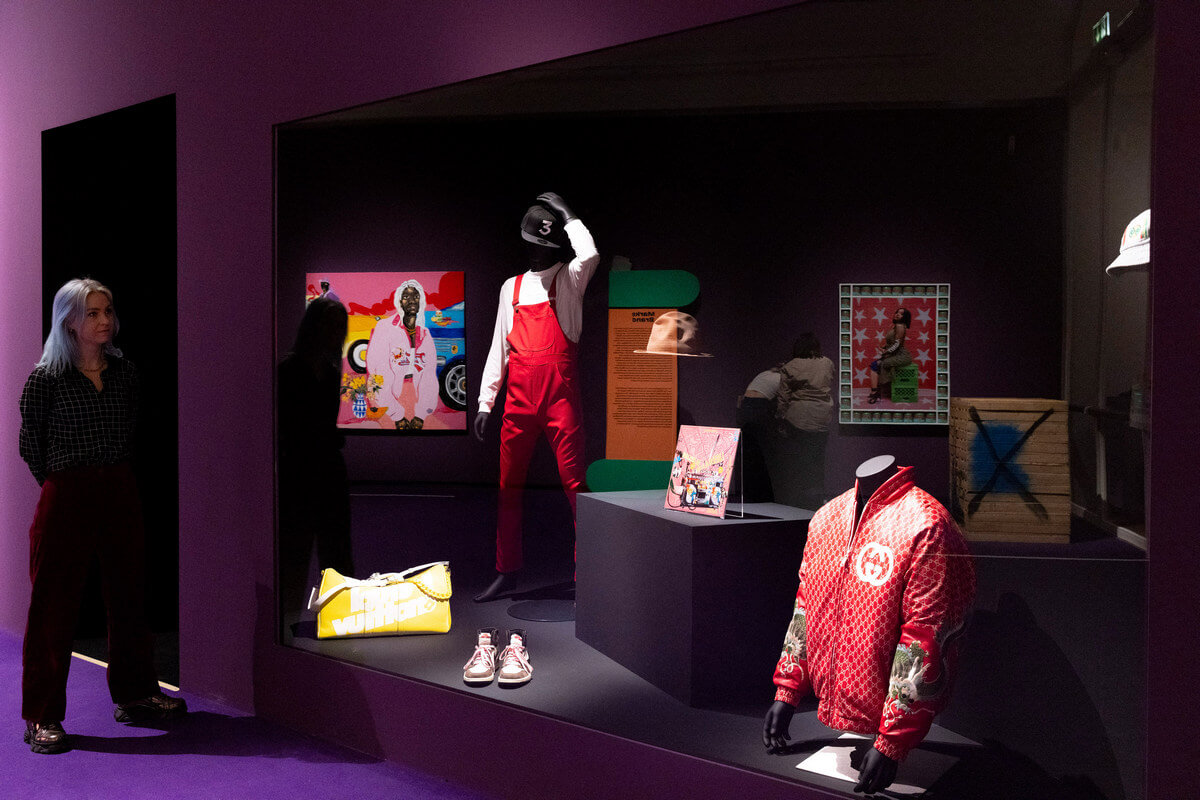
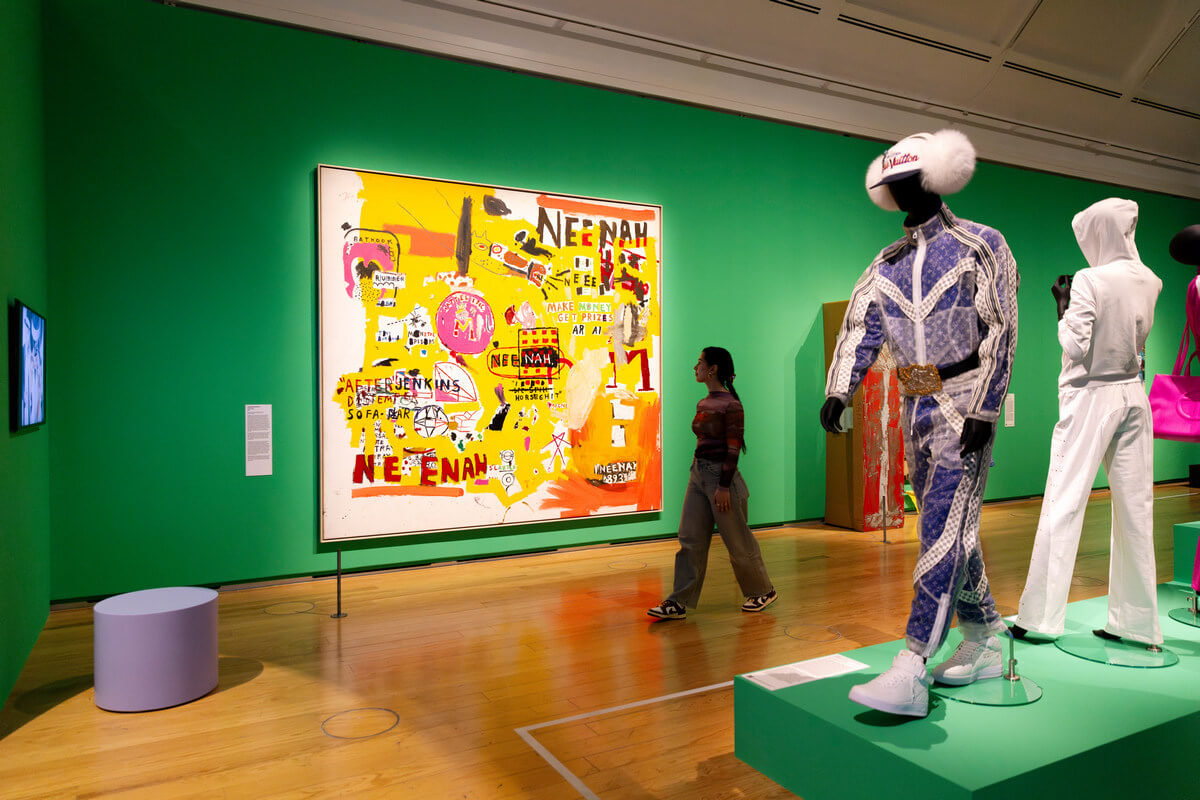
Among the exhibition’s fashion highlights are looks from the collections of Virgil Abloh for Louis Vuitton, the legendary streetwear brand Cross Colours, as well as those by Daniel ‘Dapper Dan’ Day and Gucci.
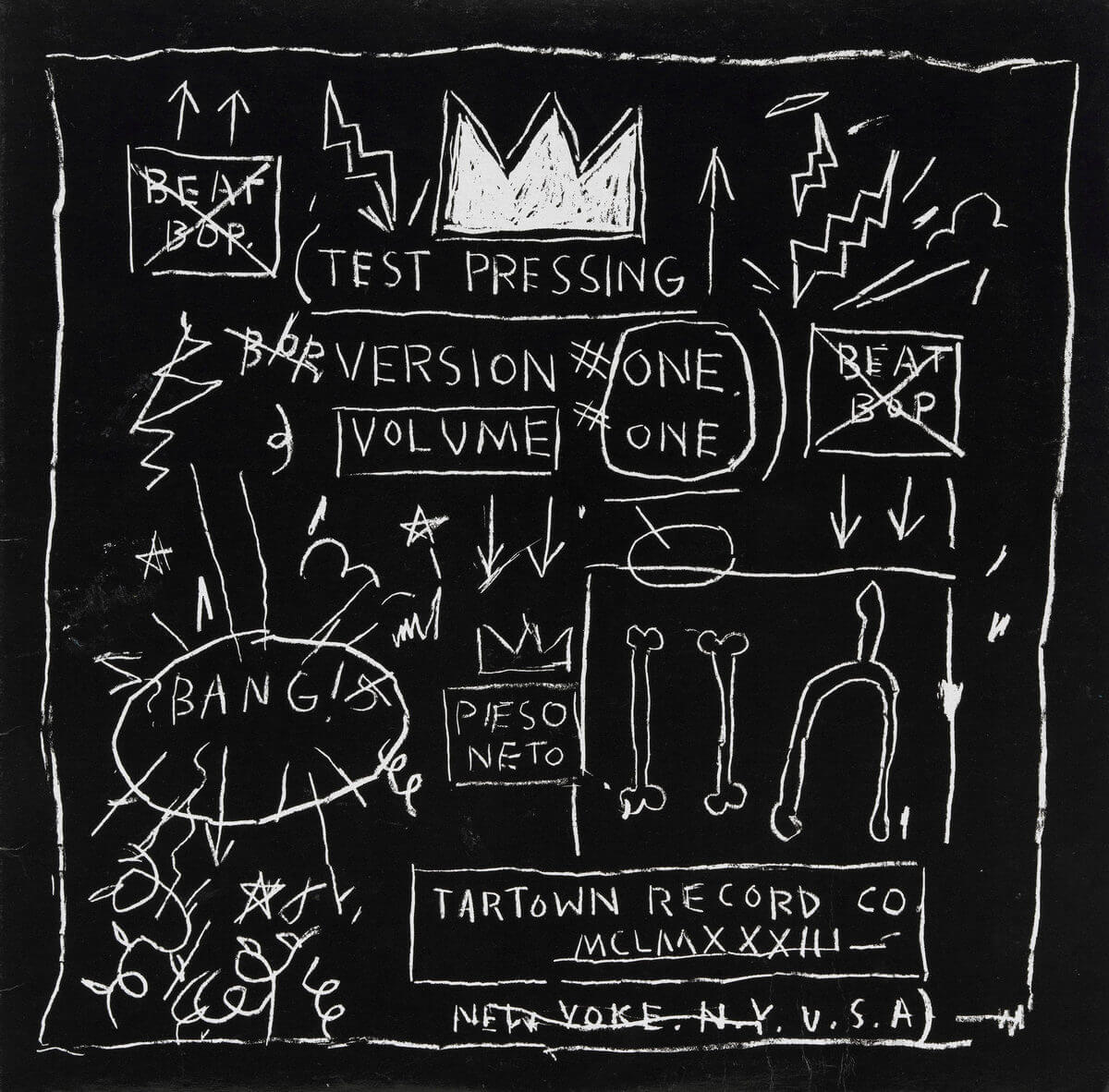
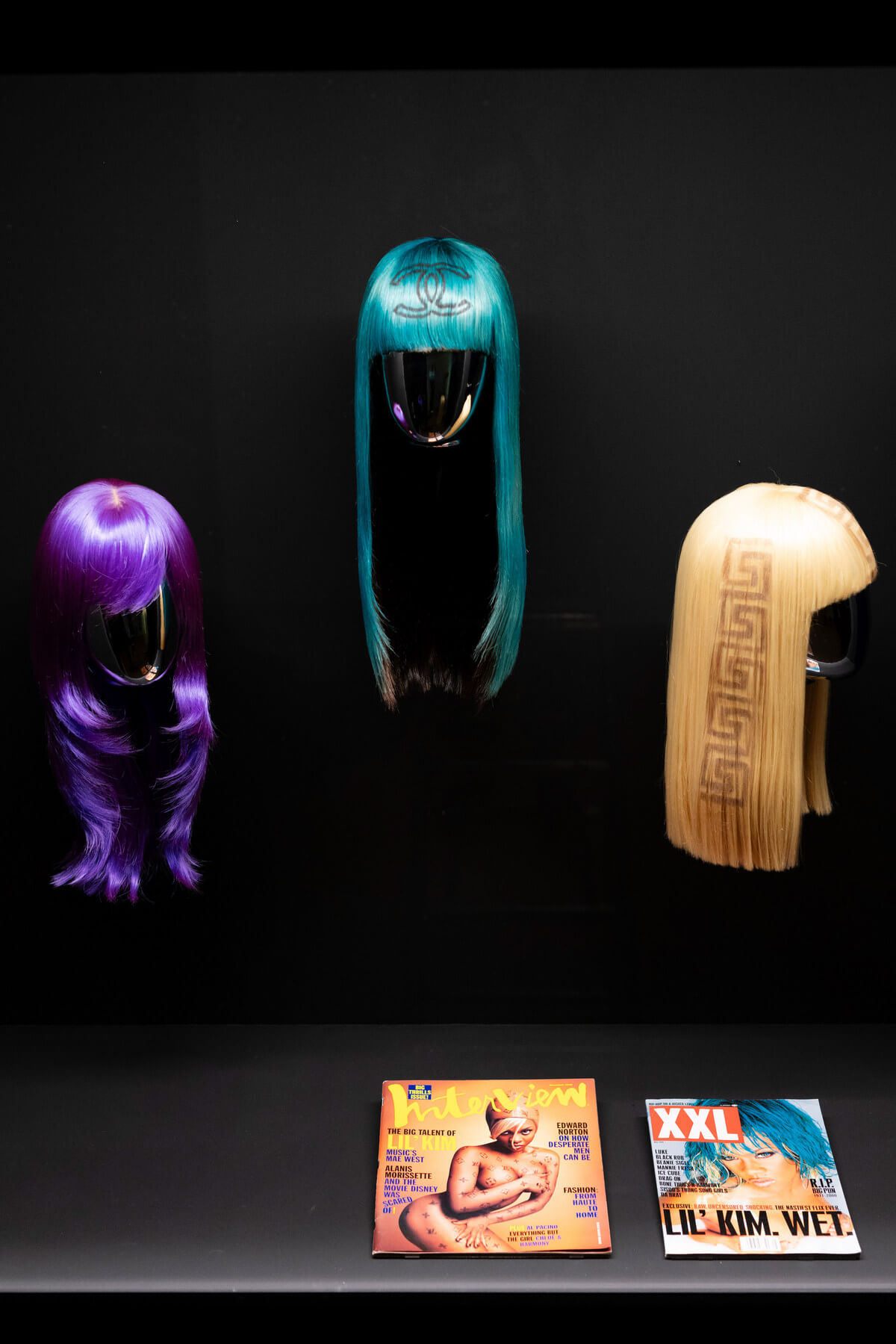
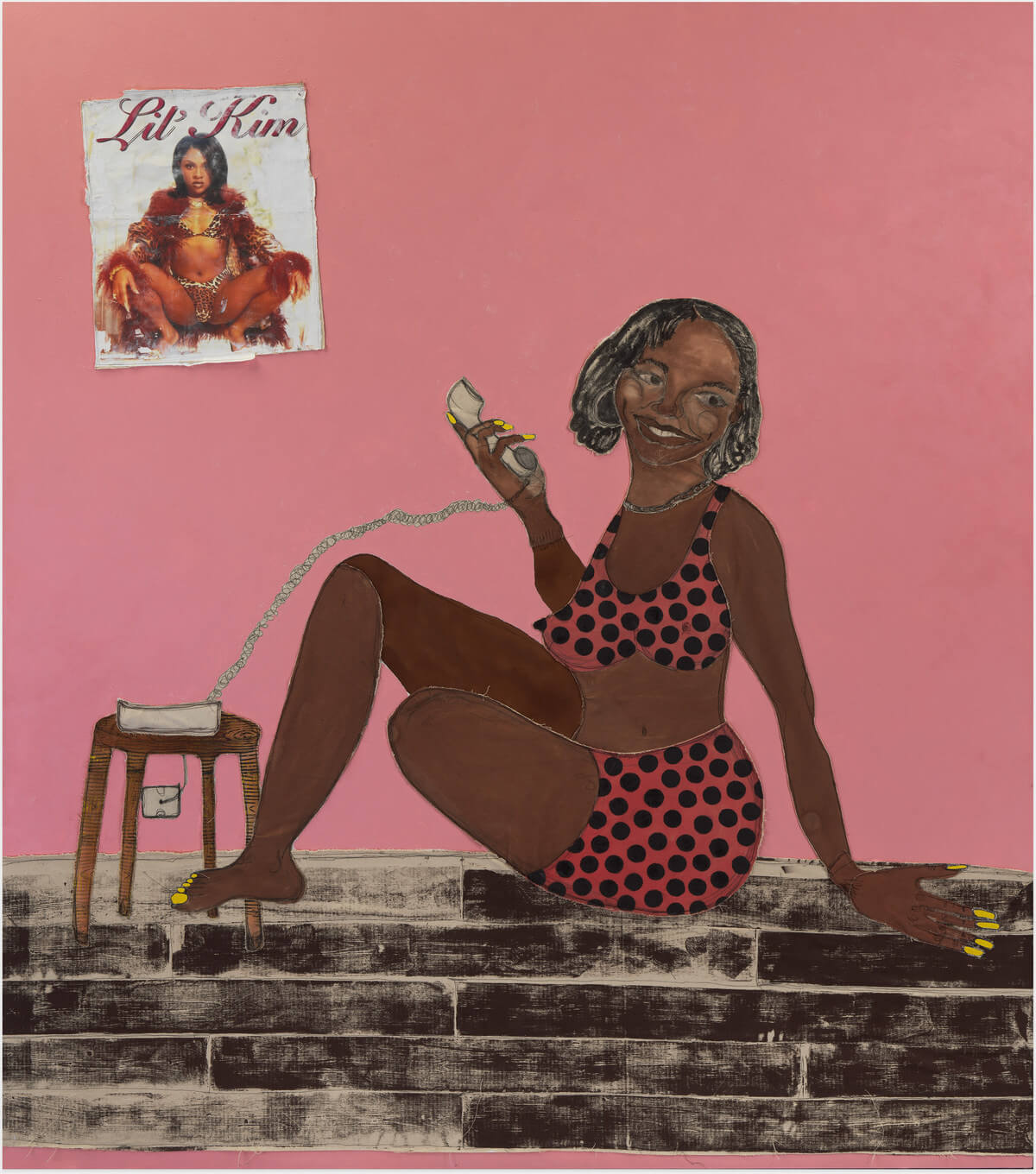
Among the famous historical ephemera are a copy of the album *Beat Bop / Test Pressing* (1983) by Jean-Michel Basquiat and Rammellzee, a Vivienne Westwood Buffalo Hat (1984), which Pharrell Williams made famous at the 2014 Grammy Awards, and several of Lil’ Kim’s iconic wigs, recreated by her original hairstylist, Dionne Alexander.
POSE
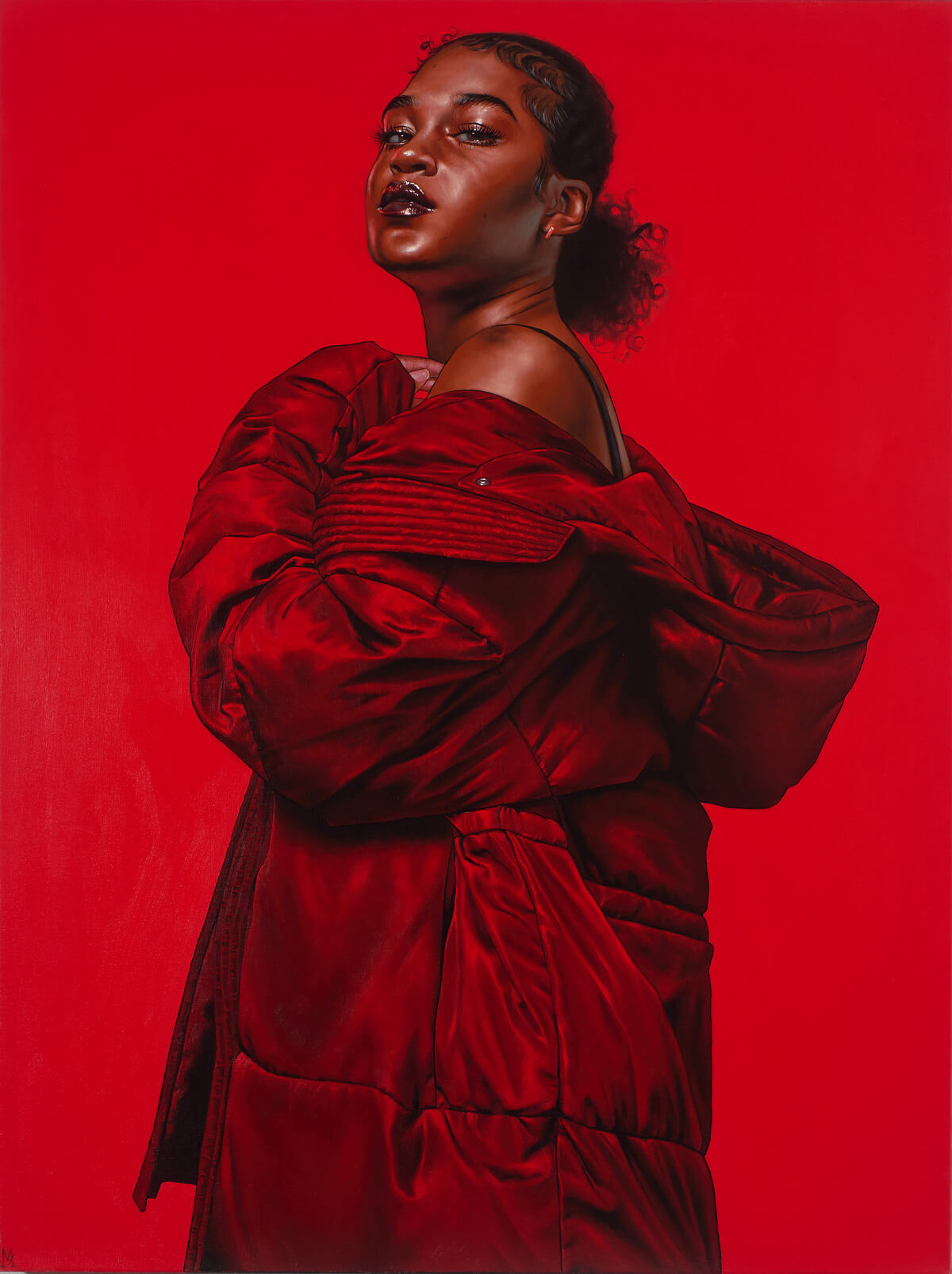
The artworks in this section of the exhibition “THE CULTURE” explore what is conveyed through gestures, posture, and the way someone presents themselves. Michael Vasquez, Nina Chanel Abney, and Tschabalala Self explore binary gender and racial stereotypes, probe the boundary between appreciation and appropriation, examine the relationship between audience and performers, and ask which bodies are considered dangerous or vulnerable—and who decides that.
For some, self-presentation is a means of survival; for others, a way to assert themselves; and for still others, a tool to turn fixed notions about forms of physical expression on their heads.
BRAND
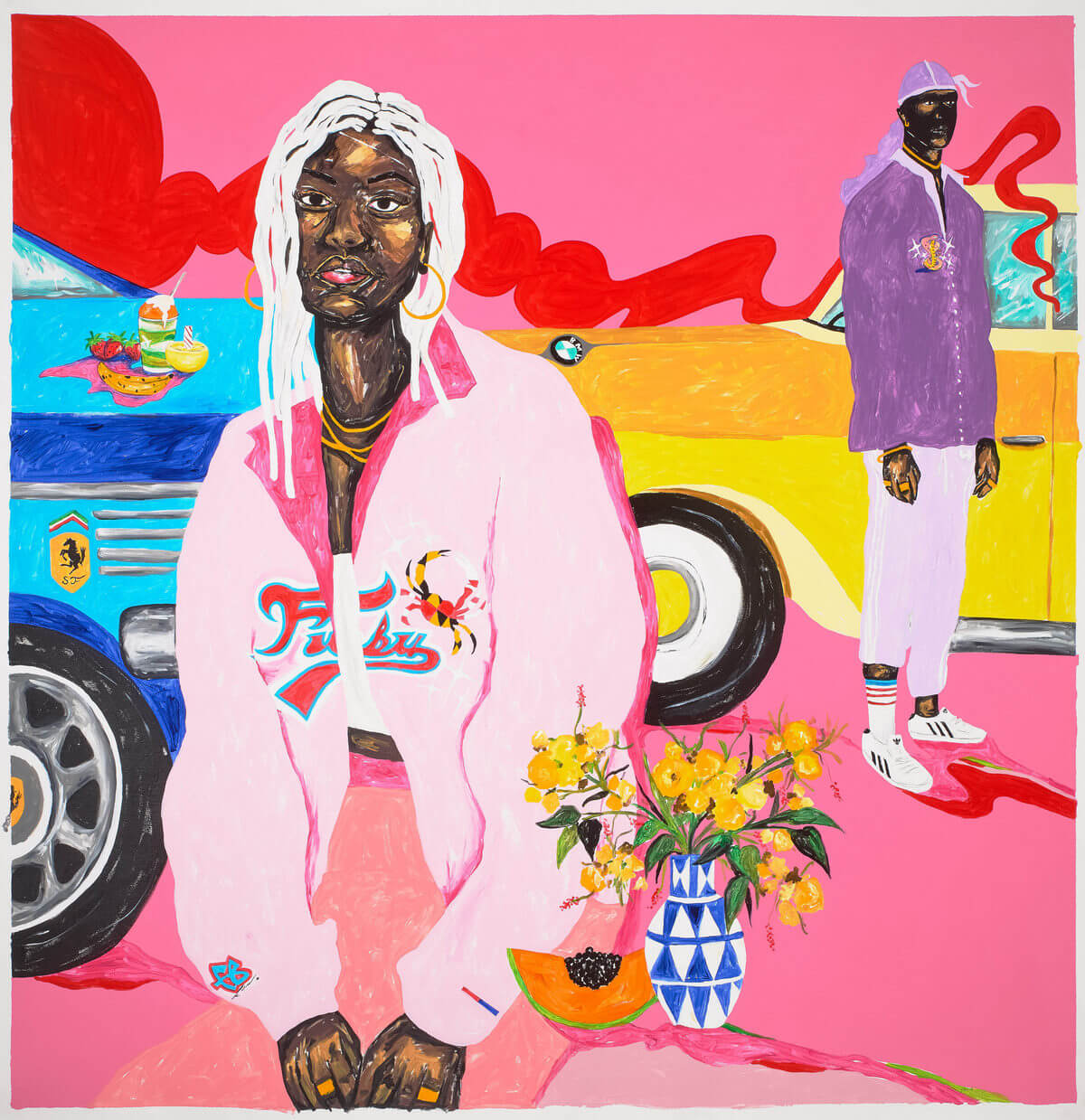
The concept of the brand is not limited to the differentiation and marketing of commercial goods. Rather, it also encompasses the way in which a person uses available communication technologies—including social media—to position themselves in the public sphere. In recent decades, hip-hop artists have served as unofficial brand ambassadors for major brands that align with their style and desired public image.
The appropriation of luxury brands to create something unique—as exemplified by the legendary designer Daniel R. Day, better known as Dapper Dan—challenges the concept of the “original” and highlights the problematic relationship between luxury labels and those who are deliberately excluded from them. Whether they are designing fashion, recording music, or creating art, the artists blur the boundaries between these art forms and (self-)marketing.
The exhibition features works by Kudzanai Chiurai, Larry W., and a collaborative video by Arthur Jafa, Malik Sayeed, and Elissa Blount Moorhead. They address consumerism, the display of luxury goods, and the complex and entrenched notions of masculinity evident in many hip-hop stars.
JEWELRY
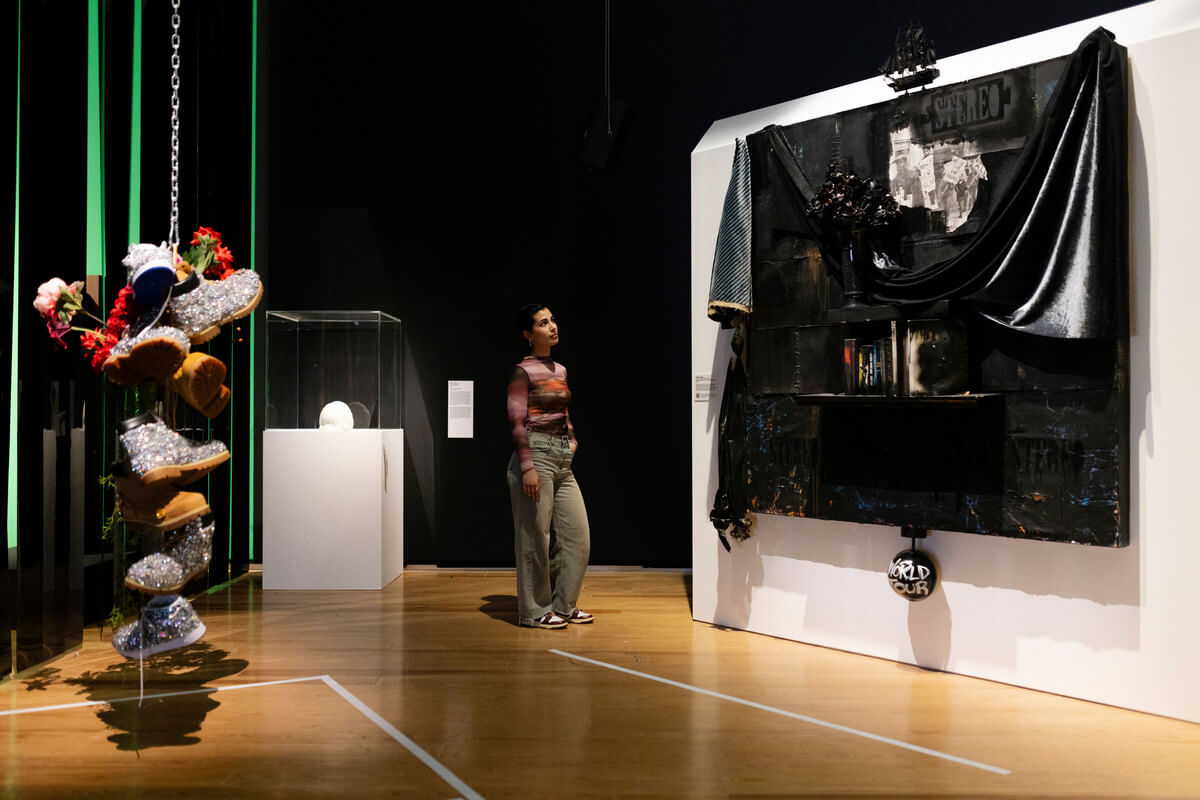
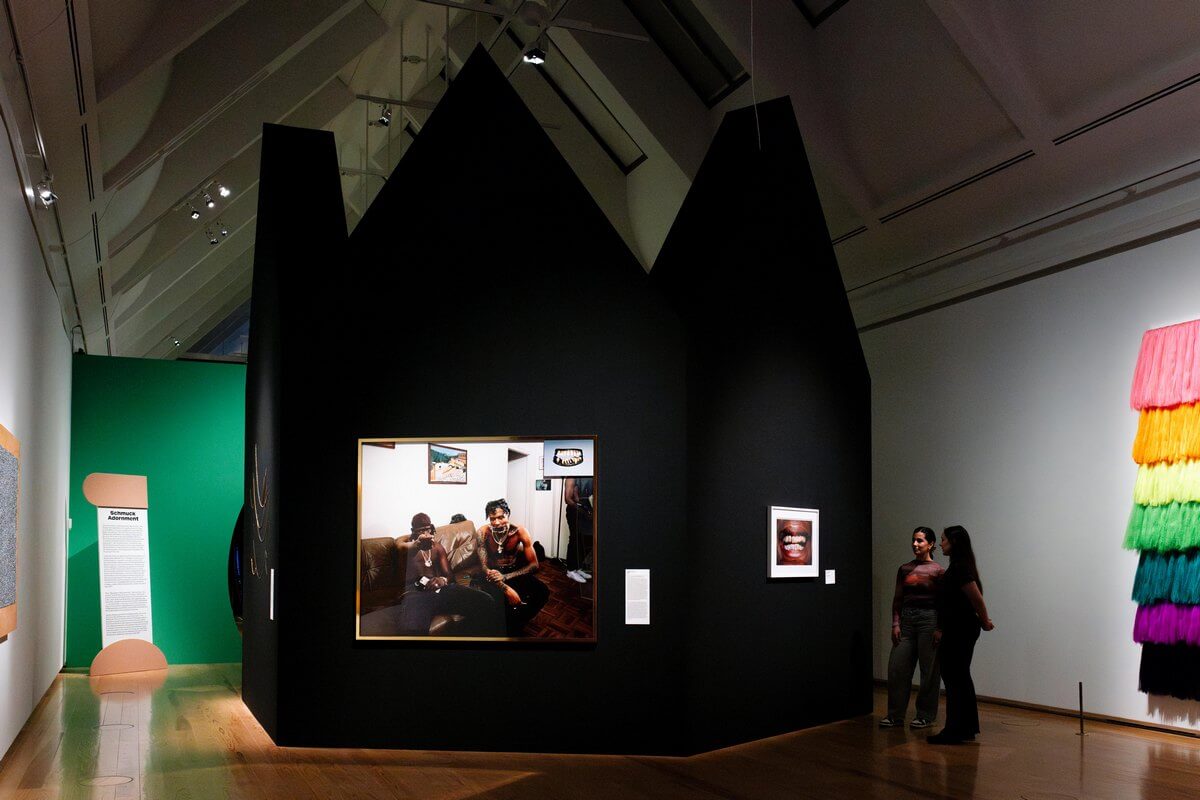
While style is often determined by class and politics, few cultures dress as eccentrically—and as influentially—as hip-hop. From Lil’ Kim’s colorful wigs to the extravagant gold chains of Big Daddy Kane and Rakim: some of the most significant and unique styles have their origins in hip-hop.
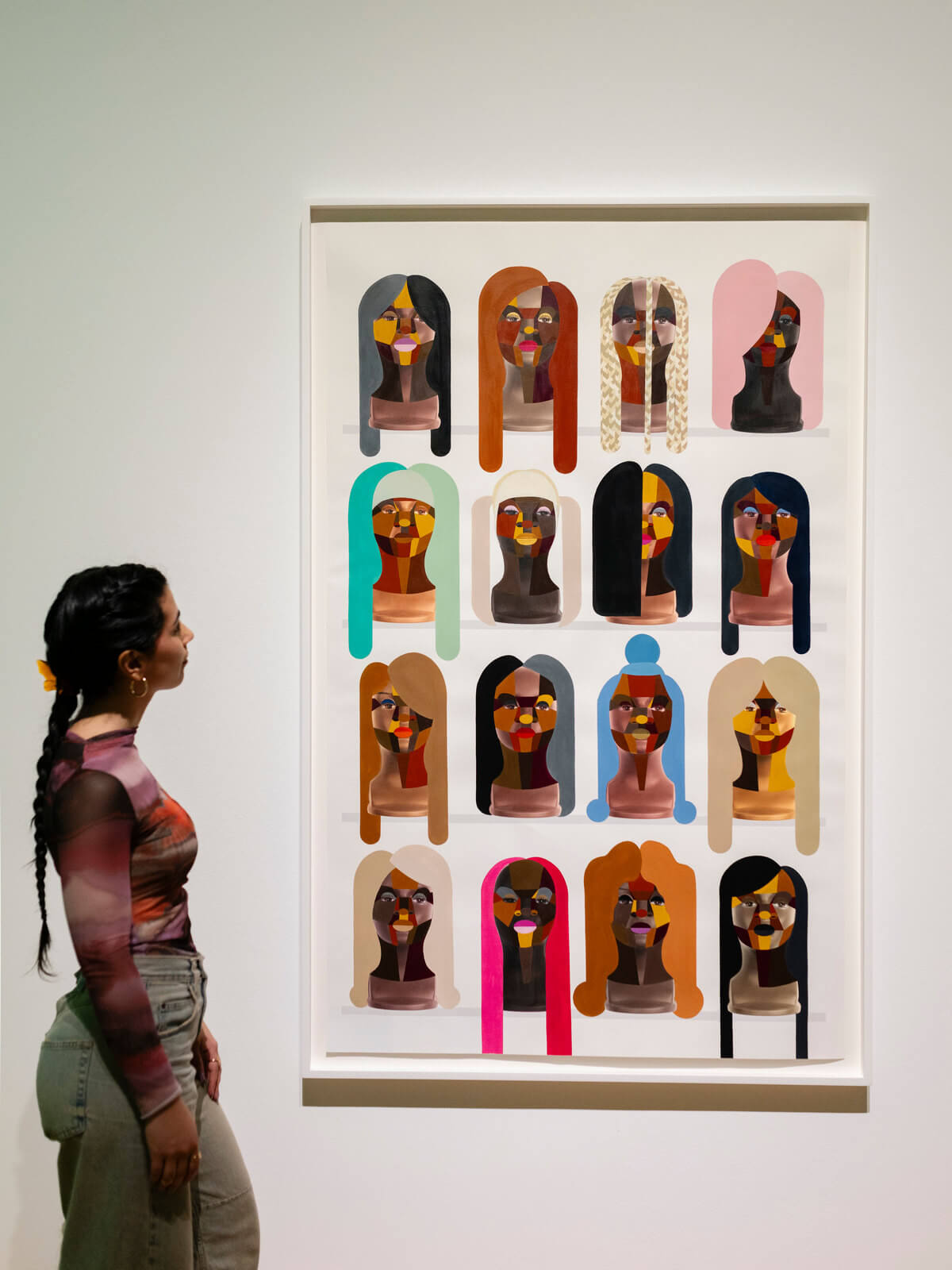
Artists such as Miguel Luciano and Hank Willis Thomas feature sparkling jewelry, glittering grillz on the teeth, or the iconic Nike Air Force 1 sneakers—all worn primarily to be seen. Works by Murjoni Merriweather, Yvonne Osei, and Lauren Halsey celebrate both synthetic hair as a confident form of adornment in Black communities and hairstyling as an art form in its own right.
Jewelry in hip-hop has the power to challenge Eurocentric ideals of beauty and to question concepts of taste and social conventions.
TRIBUTE
From name-dropping in a song to portraits of deceased rap legends on a T-shirt or as a tattoo—homages, respect, and “shout-outs” as signs of gratitude are an essential part of hip-hop culture. Such references reveal who is influential and who is important; they recognize and honor the legacy of deceased artists and foster connections among them.
Highlighting individual artists and styles contributes to the canonization of hip-hop—thus, certain works of art, songs, and rappers are collectively celebrated for their artistic achievement and historical influence.
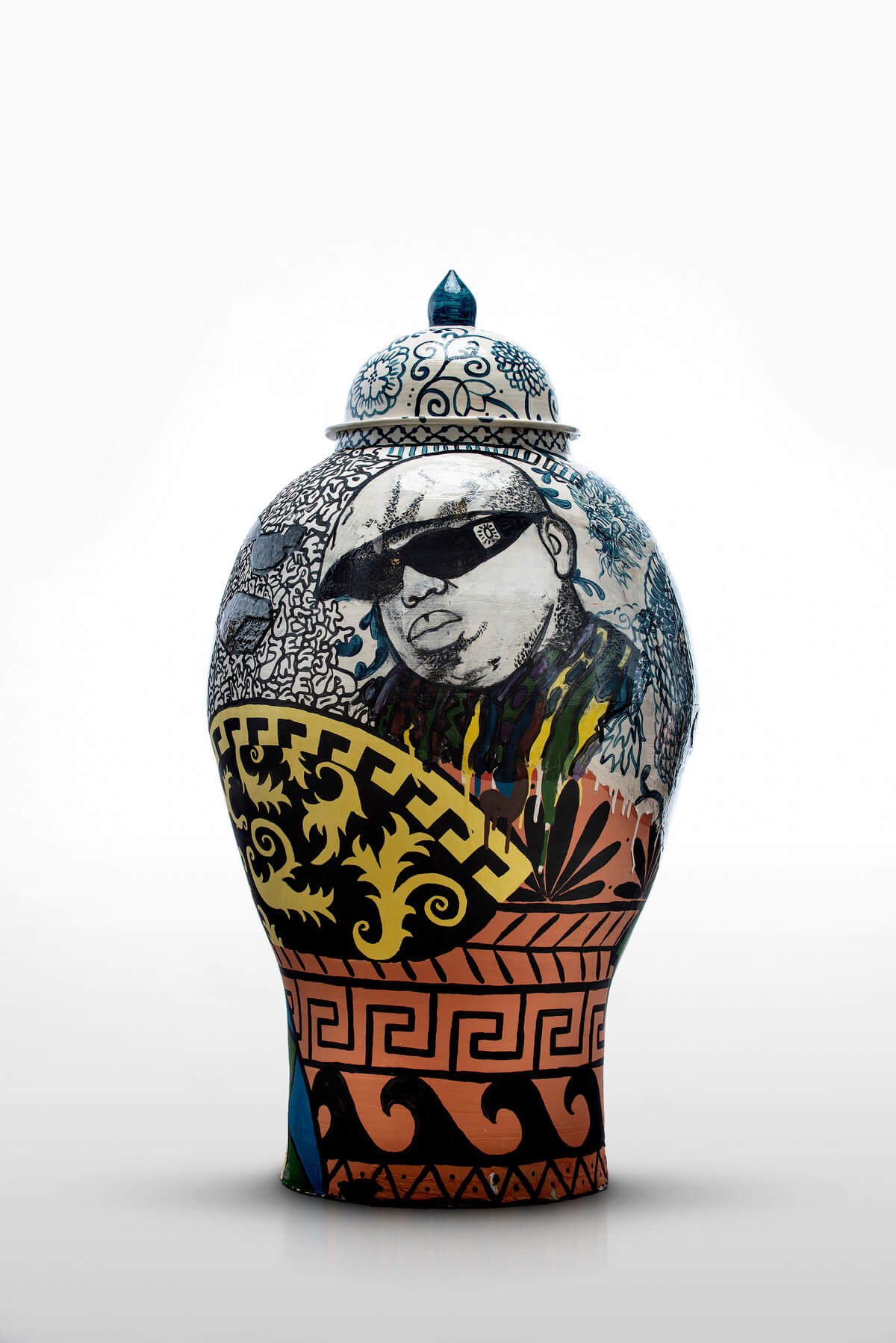
For W Magazine, Carrie Mae Weems photographed musician Mary J. Blige wearing a crown; the non-fungible token (NFT) *Heir to the Throne* (2021) by Derrick Adams is inspired by Jay-Z’s debut studio album *Reasonable Doubt* (1996), and Roberto Lugo creates a ceramic *Street Shrine 1: A Notorious Story* (Biggie) (2019) out of ceramic.
As a global art form, hip-hop has become a benchmark for 21st-century artists. By paying tribute to hip-hop and its conceptual and social evolution, visual artists explore the idea that the once-homogeneous, white, and static canon of art history is fluid and open to individual biographies and backgrounds. In this way, the artists question what is considered beautiful, who is iconic, and whose story is valuable.
ASCENSION
Death, as well as notions of resurrection, ascension, and the afterlife, frequently appear in hip-hop songs: from mourning a deceased friend to the constant danger of navigating urban spaces as a Black person, to reflections on the immortality that comes with fame.
The exhibition features works inspired by themes of spiritual ascension in the culture, such as *Ascent* (2018) from John Edmonds’ *DuRags* series. In his video work m.A.A.d. (2014), Kahlil Joseph paints a rich, contemporary portrait of Compton, California, the hometown of Pulitzer Prize-winning hip-hop artist Kendrick Lamar.
A song title by Lamar also lends its name to the collage *Promise You Will Sing About Me* (2019) by Robert Hodge. In this way, artists also use hip-hop as a form of expression to process loss, grieve, and commemorate.
LANGUAGE
Hip-hop is an art form that is essentially about language: the visual language of graffiti, a musical language that includes scratching and sampling, and, of course, the written and spoken word.
Call-and-response chants, followed by rap rhymes and lyrics layered over the tracks, form the foundation of hip-hop music. In addition to spoken word, one of hip-hop’s most recognizable features is graffiti. Since the 1970s, graffiti artists have been painting or spraying trains, parts of urban infrastructure, and walls with bright colors.
Many writers sign their works with recognizable “tags.” They explore the recognizable forms of letters and numbers and push tags to the limits of legibility.
The Schirn is exhibiting works by artists including Jean-Michel Basquiat, RAMM:ΣLL:ZΣΣ (Rammellzee), Adam Pendleton, and Gajin Fujita, who translate central elements of graffiti onto paper, canvas, or large-format wooden panels. Some messages are understandable to everyone, while others are encoded in references, technologies, or forms that require insider knowledge and claim not to be meant for general understanding.
The exhibition “THE CULTURE” at the Schirn continues at the Kunstverein Familie Montez with Stan Douglas’s video installation *ISDN* (2022) and is expanded by an exhibition focusing on milestones in hip-hop at MOMEM—Museum of Modern Electronic Music, an initiative of Diamant Offenbach: Museum of Urban Culture and a film series on the 50-year history of hip-hop at the DFF—German Film Institute & Film Museum.
Both the exhibition and the publication are supported by an extensive network of advisors, including community members, artists, and scholars engaged with hip-hop.
ARTISTS IN THE EXHIBITION
Abbey Williams, Adam Pendleton, Adrian Octavius Walker, Alex de Mora, Alvaro Barrington, Amani Lewis, Anthony Olubunmi Akinbola, Babe Ruth, Baby Phat, Bruno Baptistelli, Carrie Mae Weems, Chance the Rapper, Charles Mason III, Cross Colours, Daniel “Dapper Dan” Day, Damon Davis, Deana Lawson, Derrick Adams, Devan Shimoyama, Devin Allen, Dionne Alexander, El Franco Lee II, Ernest Shaw Jr., Fahamu Pecou, Gajin Fujita, Hank Willis Thomas, Hassan Hajjaj, James Brown, Jayson Musson, Jean-Michel Basquiat, Jen Everett, John Edmonds, Jonathan Lyndon Chase, Jordan Casteel, José Parlá, Joyce J. Scott, Julie Mehretu, Kahlil Joseph, Kahlil Robert Irving, Kudzanai Chiurai, LA II, Larry W. Cook, Lauren Halsey, Luis Gispert, Maï Lucas, Malcolm McLaren, Maxwell Alexandre, Megan Lewis, Michael Vasquez, Miguel Luciano, Miquel Brown, Monica Ikegwu, Murjoni Merriweather, Nina Chanel Abney, NIA JUNE, Kirby Griffin, and APoetNamedNate, Nicholas Galanin, Pharrell Williams, Rammellzee, Rammellzee and K-Rob with Jean-Michel Basquiat, Rashaad Newsome, Robert Hodge, Robert Pruitt, Roberto Lugo, Rozeal, Shabez Jamal, Sheila Rashid, Shinique Smith, Shirt, Stan Douglas, Tariku Shiferaw, Telfar Clemens, Texas Isaiah & Ms. Boogie, The Isley Brothers, TNEG (Arthur Jafa, Elissa Blount Moorhead, Malik Sayeed), Travis Scott, Troy Lamarr Chew II, Tschabalala Self, Virgil Abloh, Vivienne Westwood and Malcolm McLaren, Wales Bonner, Willy Chavarria, Wilmer Wilson IV, Yvonne Osei, Zéh Palito.
The exhibition runs through May 26. Tickets and further information can be found on the official website (see below).
SCHIRN KUNSTHALLE FRANKFURT
Römerberg
60311 Frankfurt am Main
Photos courtesy of Schirn Kunsthalle Frankfurt