Subversive design is critical design. It does not offer direct solutions. Instead, it challenges the status quo of the traditional system.
Since February 11, the group exhibition “Subversive Design” has been transforming the NRW-Forum Düsseldorf into a “department store of criticism” featuring 20 products, some of which are humorous:
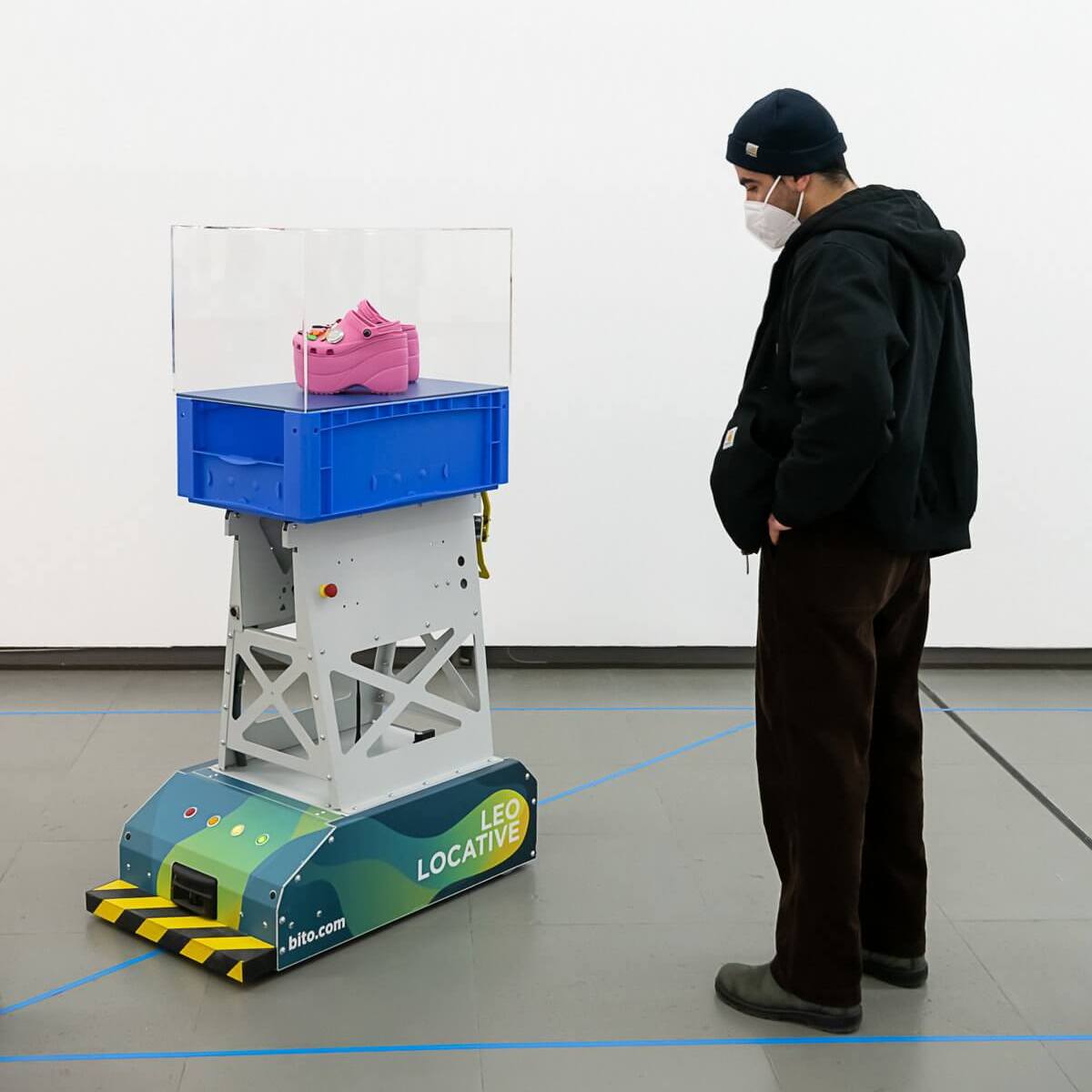
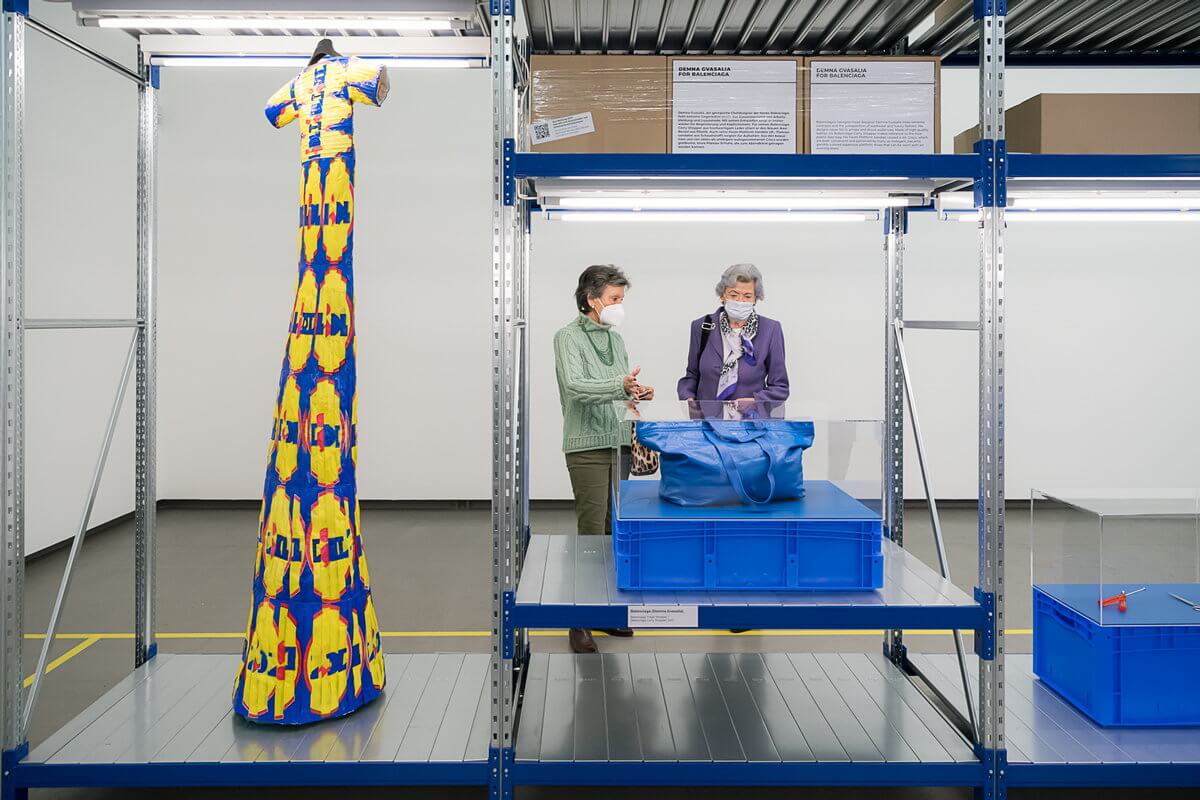
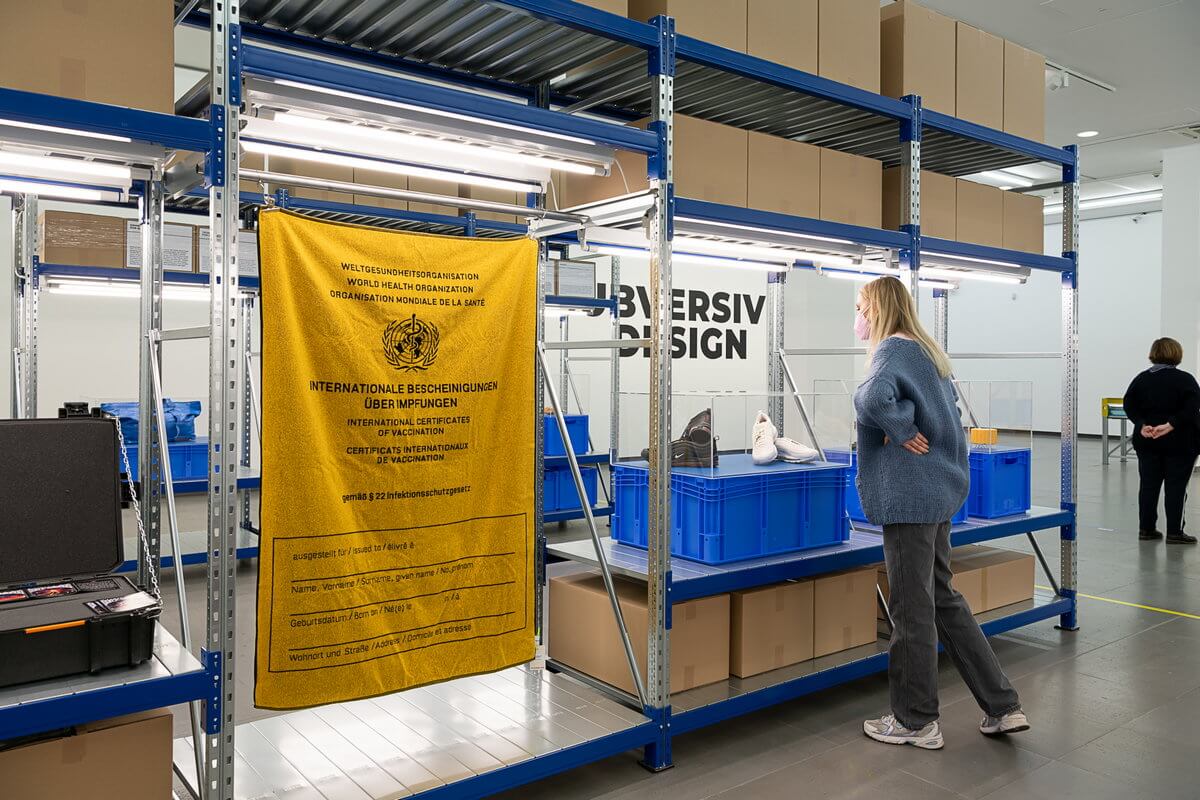
The exhibition space has been transformed into a warehouse where functional shelving systems house the exhibits and a robot drives through the aisles, transporting them.
Instead of one-of-a-kind art pieces, the group exhibition showcases products by contemporary designers who share a contemporary approach to critical design.
They bring alternative models to market and address some of the pressing issues of our time: climate change, digitalization, and discrimination.
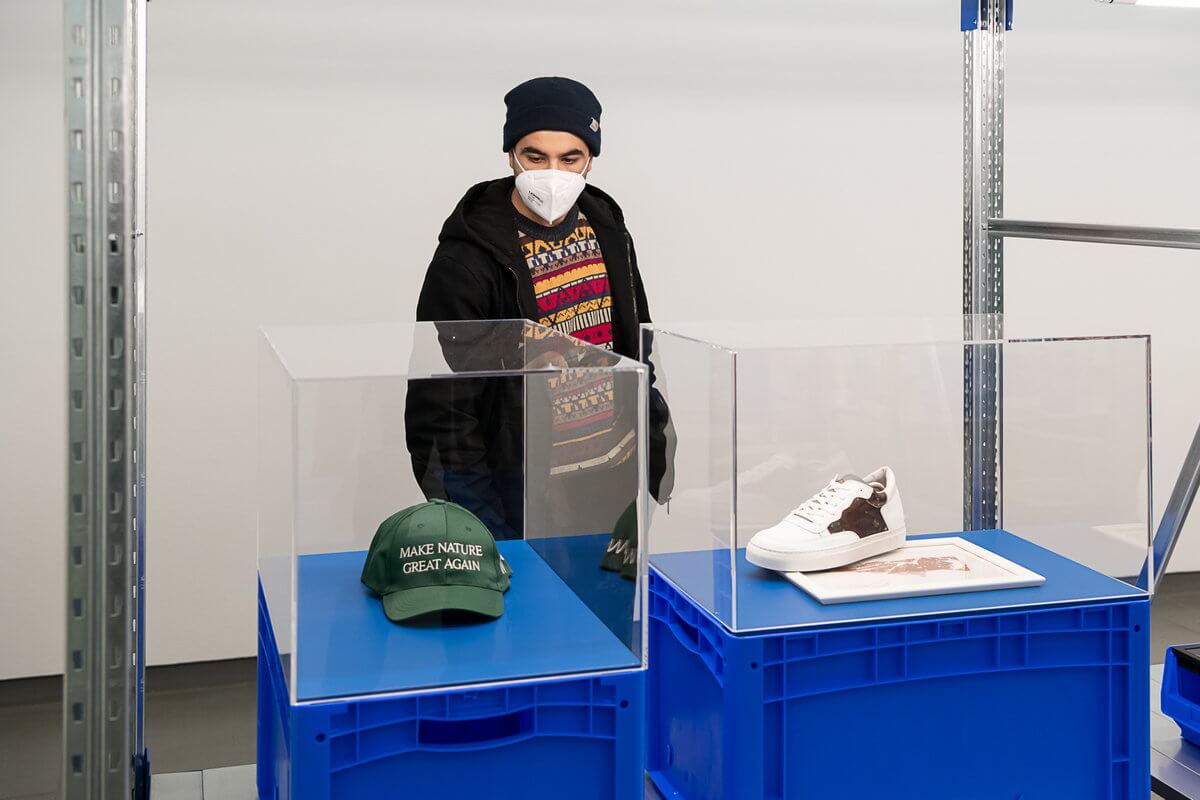
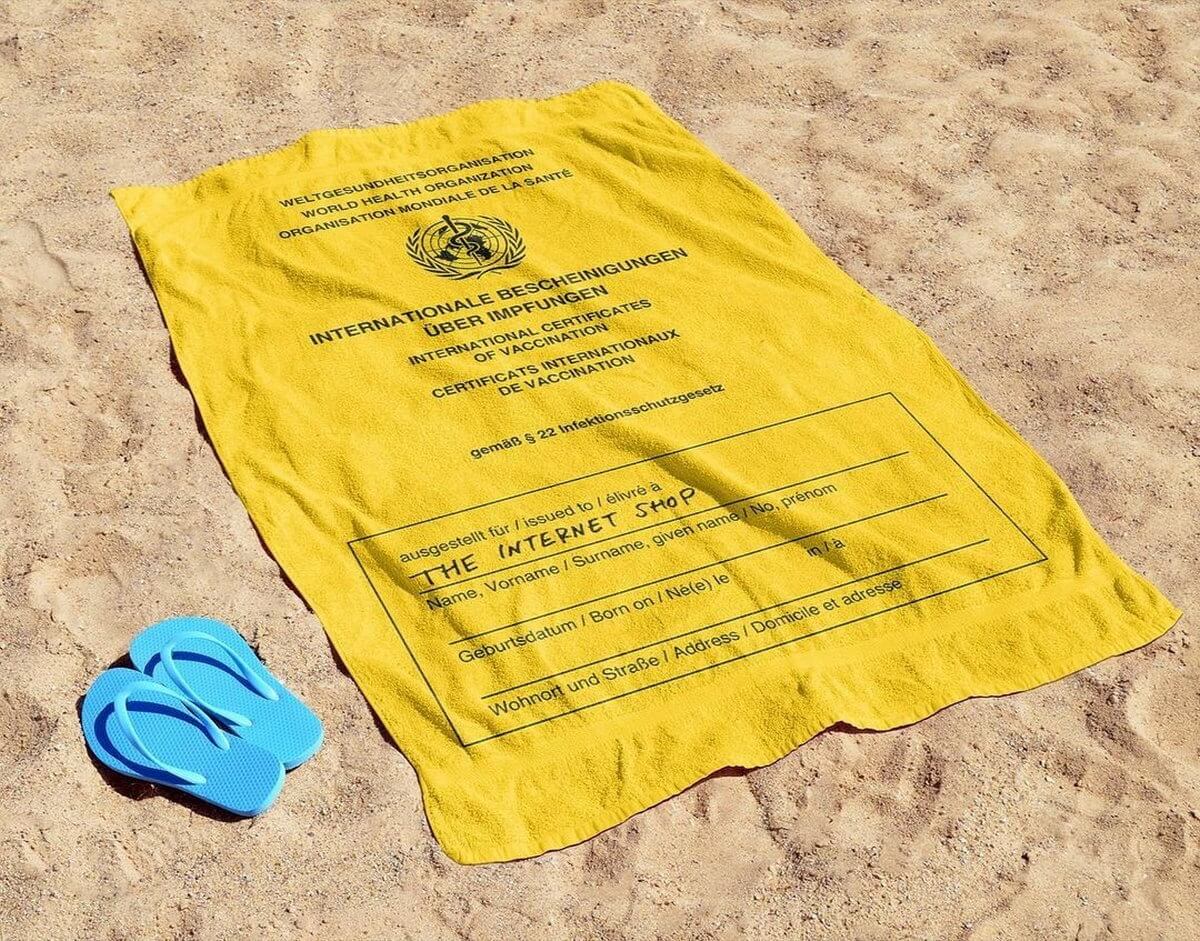
Participating artists include Zara Alexandrova & Zoran Georgiev, Ludwig Berger, BLESS, Liora Epstein, Jojo Gronostay (Dead White Men’s Clothes), Demna Gvasalia for Balenciaga, Vanessa Harden, Katerina Kamprani, Henri Alexander Levy (Enfants Riches Déprimés), MSCHF, Next Nature Network, PUTPUT (Stephan & Ulrik Martin Larsen), Max Siedentopf, Vaia Tatopoulou, The Internet Shop, Patricia Thoma, Anna van Eck, and Sebastian Wanke.
Subversion refers to deliberate infiltration and describes processes that challenge existing orders and systems, appropriate their mechanisms, and make them visible in order to transform them.
It can take the form of civil disobedience or sabotage and, in subcultural contexts, can also draw attention to inequalities and discrimination.
Closely related to subversion is the concept of critical design, which, rather than catering to a consumer-oriented market, challenges the classical design system and seeks to offer alternative concepts and new courses of action for the future.
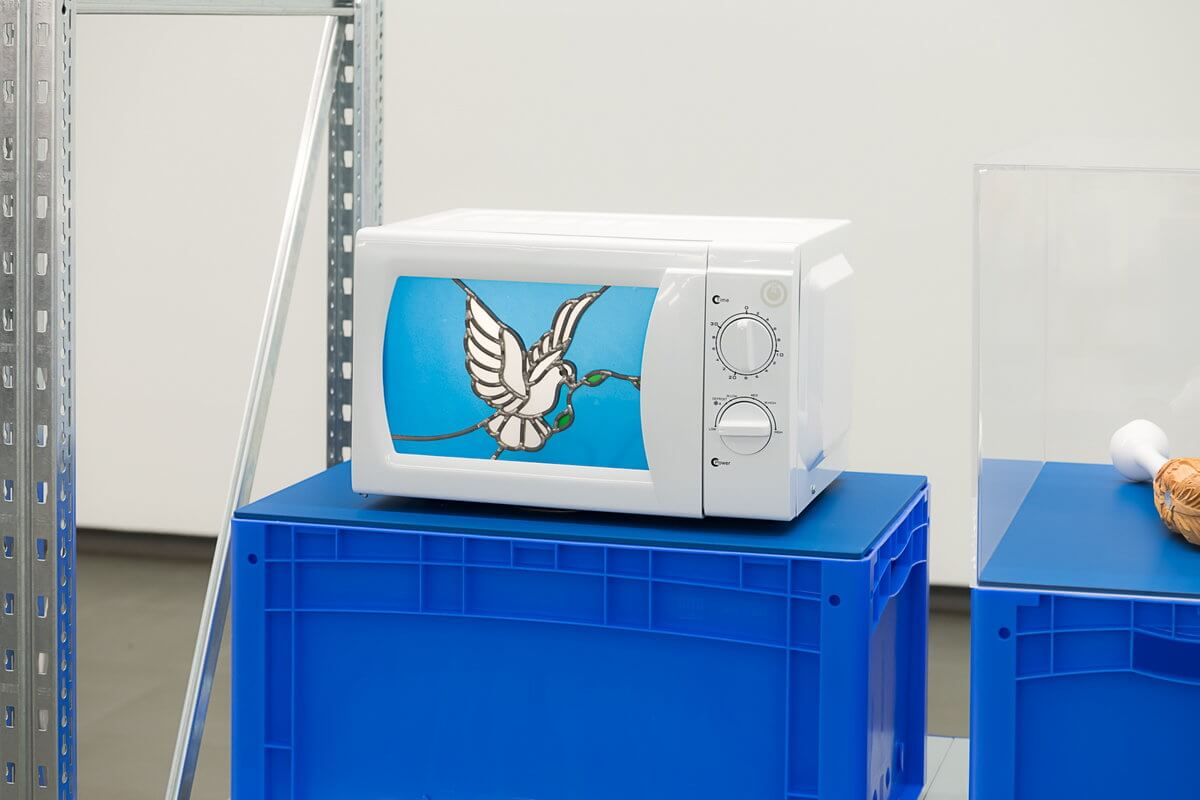
Rather than focusing on one-of-a-kind pieces, the group exhibition emphasizes mass production. Subversive design does not place itself above the mainstream but operates within it.
The designers remix, sample, intervene, and hack, turning functionality on its head while questioning consumer habits and perspectives on topics such as nutrition, fashion, sustainability, and climate.
On display are garments from the fashion label Dead White Men’s Clothes, founded in 2017 by designer Jojo Gronostay. The name is a translation of the Ghanaian concept “Obroni Wawu,” which became popular in the 1970s with the arrival of the first wave of secondhand clothing from the West.
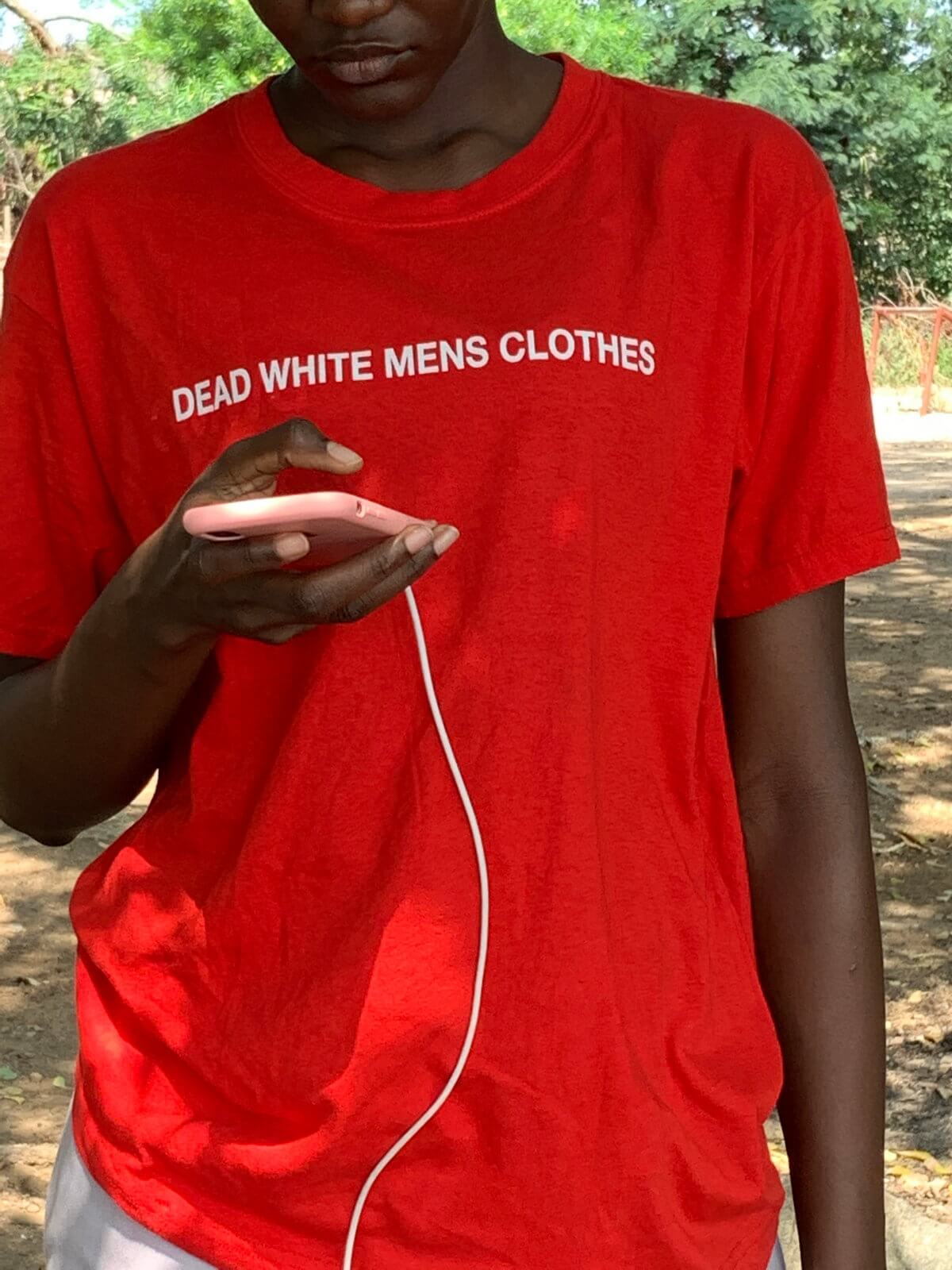
The term describes the belief that such high-quality garments were not donated voluntarily, so their former owners must be dead. According to the designer, the project is a provocation intended to encourage reflection on capitalism, postcolonialism, identity, and fashion.
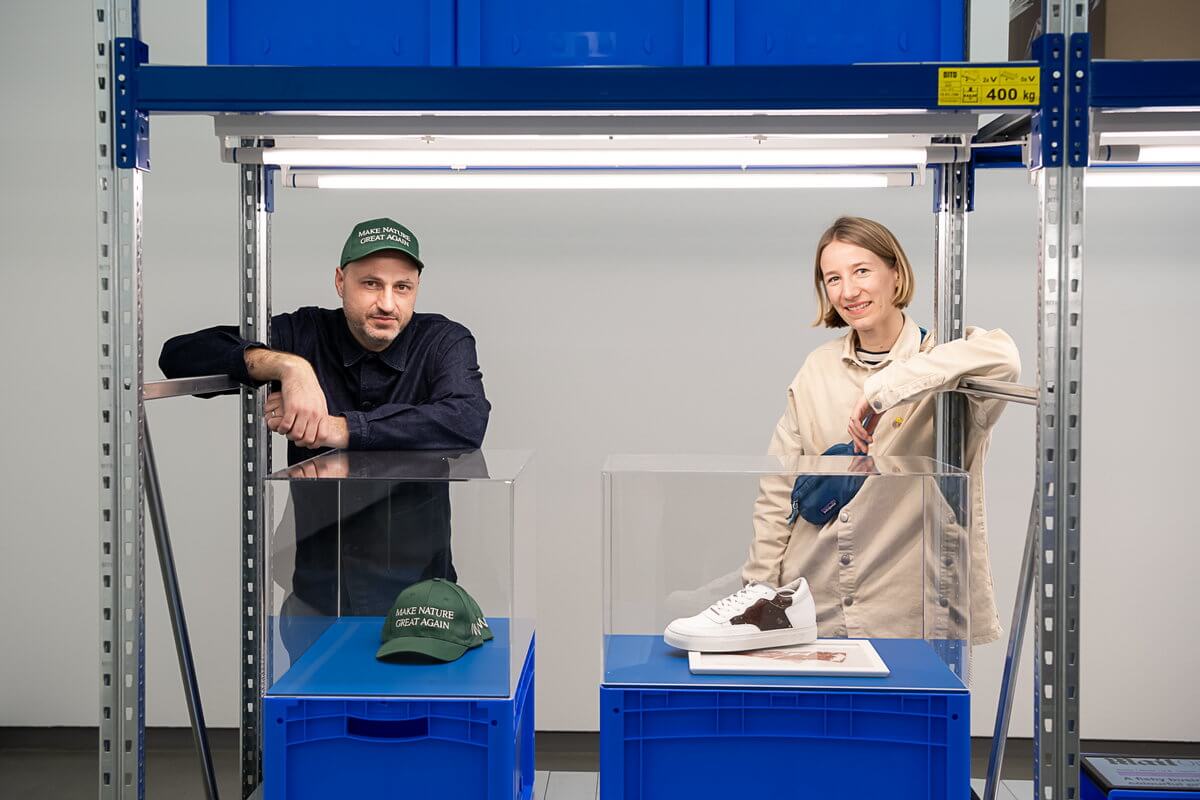
Next Nature Network founded the fictional company Rayfish Footwear in 2011. The online storytelling project, developed by artist and philosopher Koert van Mensvoort, offered sneakers made from genetically modified stingray leather, custom-made to individual customer specifications.
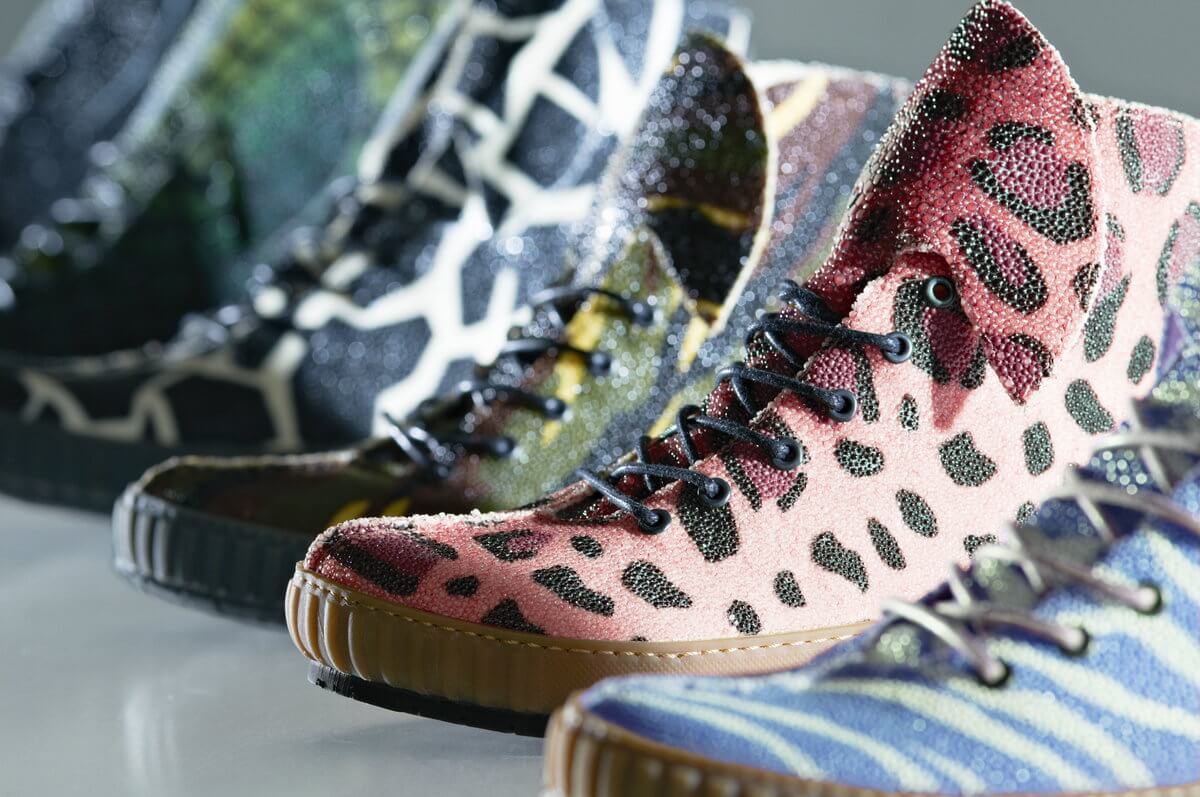
The company’s purported market launch sparked a debate about new biotechnologies, their products, and our consumption-driven attitude toward animals.
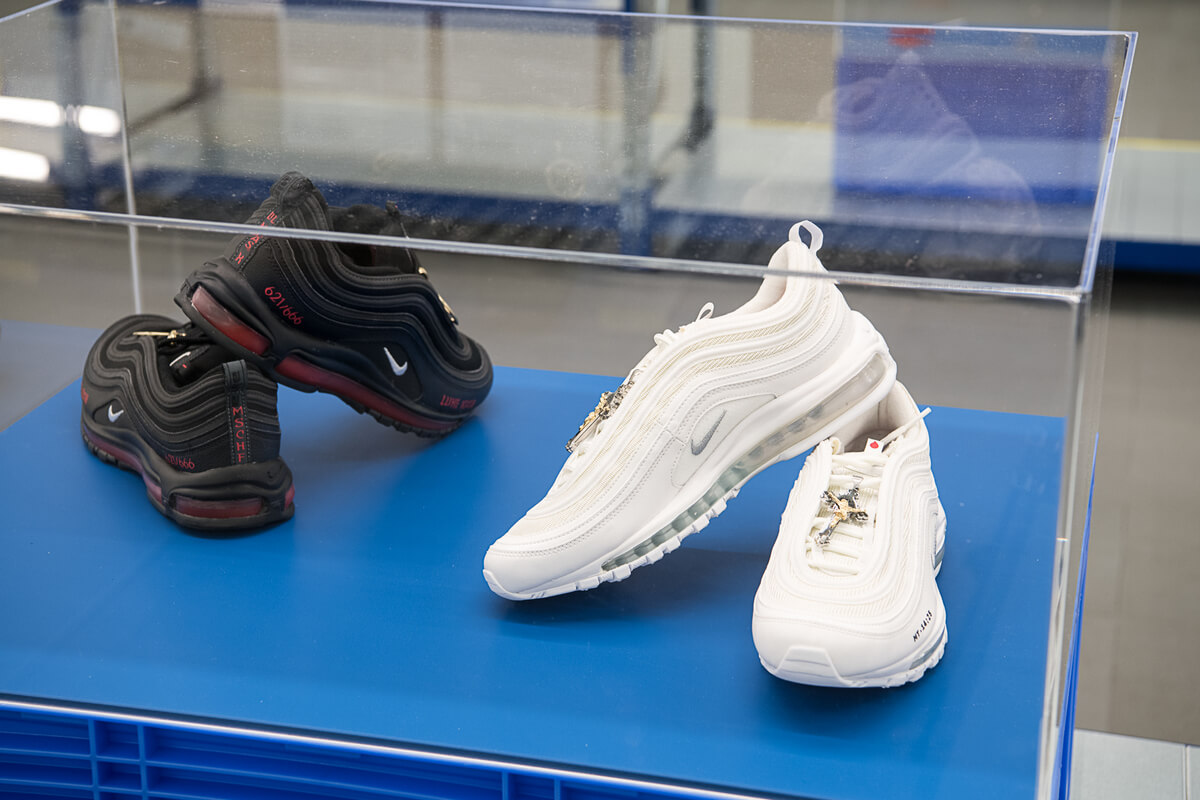
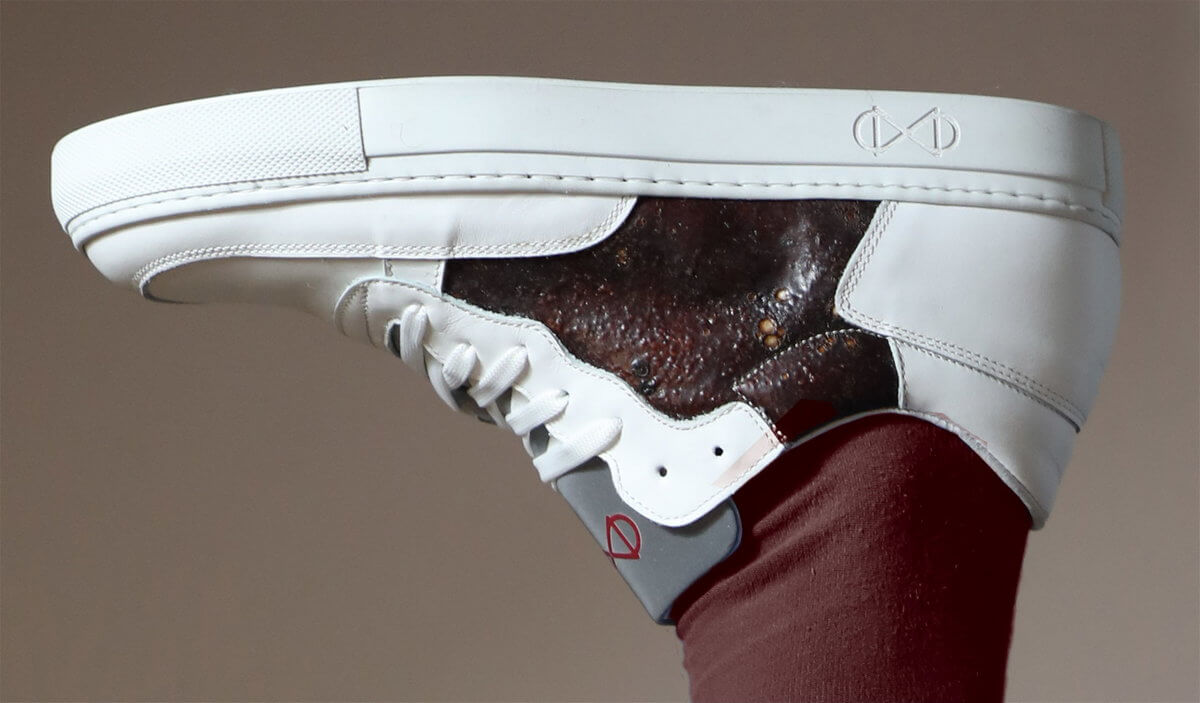
In contrast, the Blood Sneakers (2018–2019), which are part of the Meat Factory project, are made from handmade “bio-leather” developed using fat and bones from slaughterhouse waste.
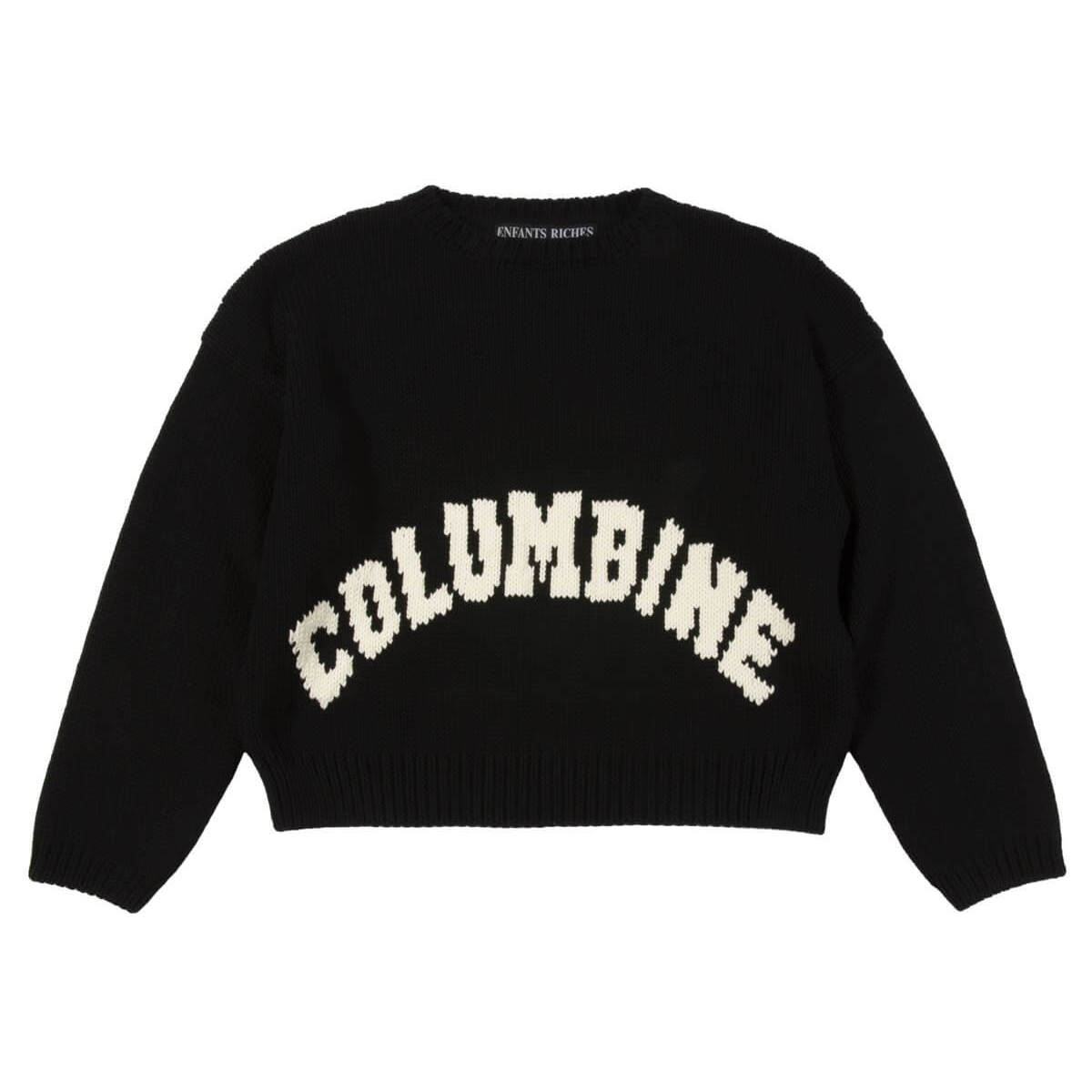
In 2013, Henri Alexander Levy founded the fashion collective Enfants Riches Déprimés (translated: rich, depressed children), which places as much emphasis on its exclusive luxury qualities as it does on its artistic and punk influences.
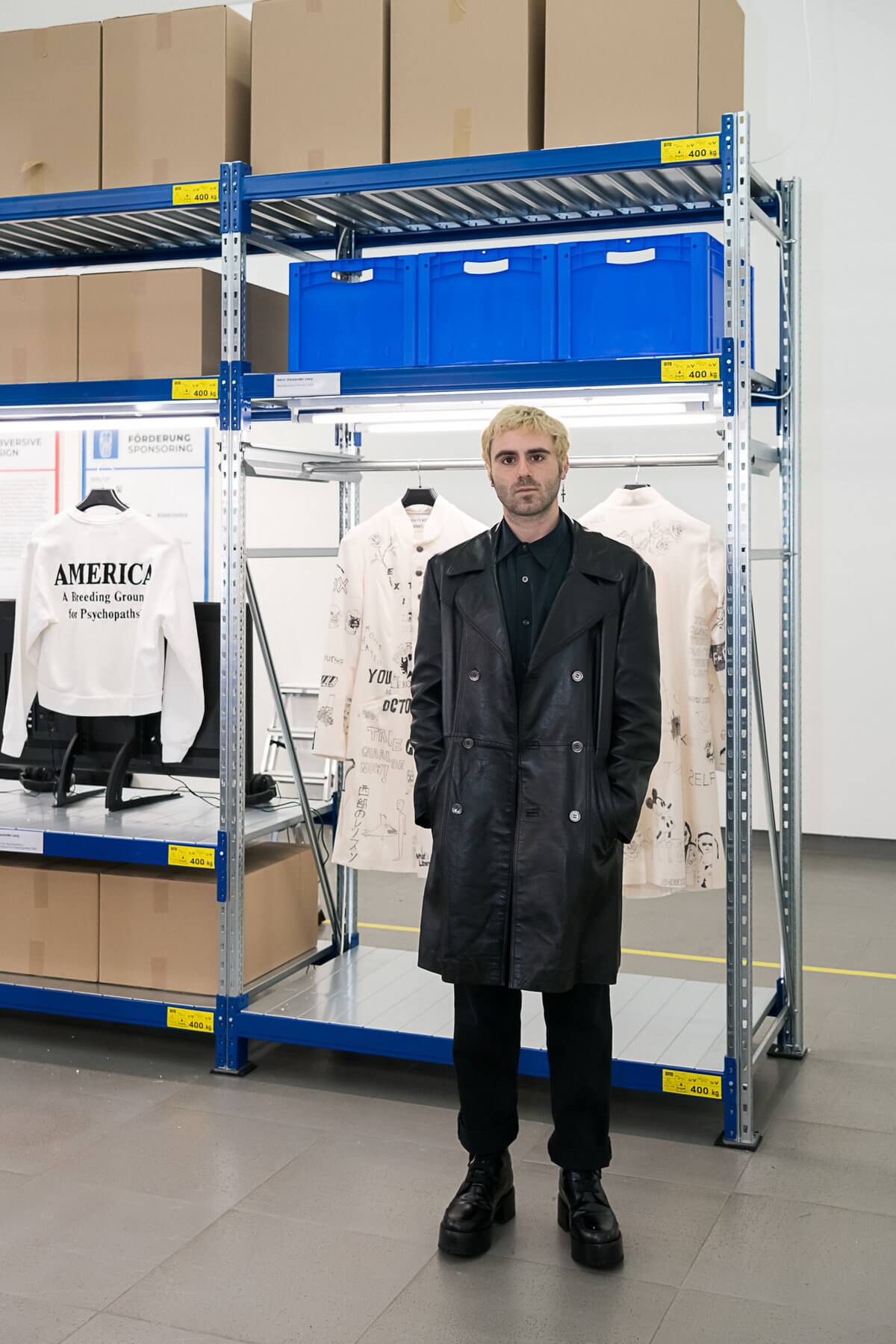
In addition to the hand-knitted “Cashmere Noose” (2015), there’s the merino wool sweater embroidered with “Columbine” (2018) and the “Putin by George Bush” jacket (2016) featuring a portrait of Putin on the back—provocations for those who can afford them.
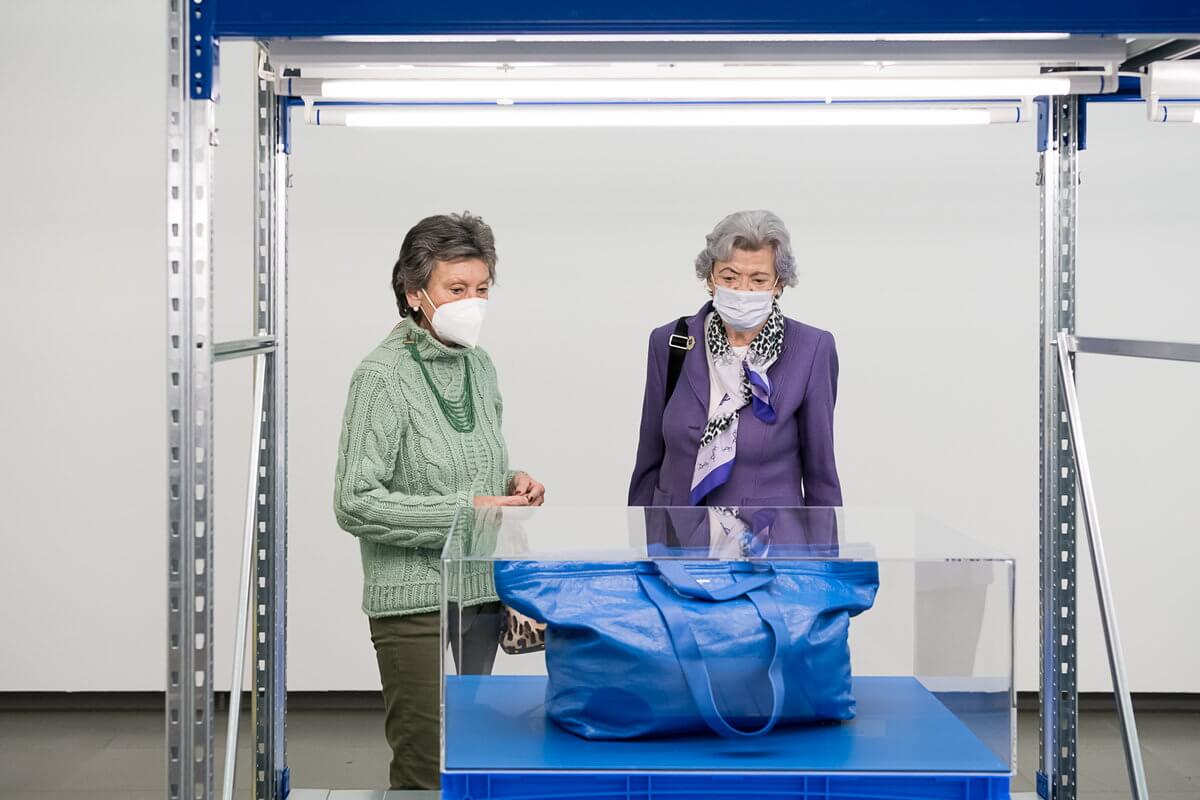
An extreme clash of luxury fashion and low culture is the Balenciaga Carry Shopper (2017), the “Ikea bag” by the infamous designer Demna Gvasalia for Balenciaga
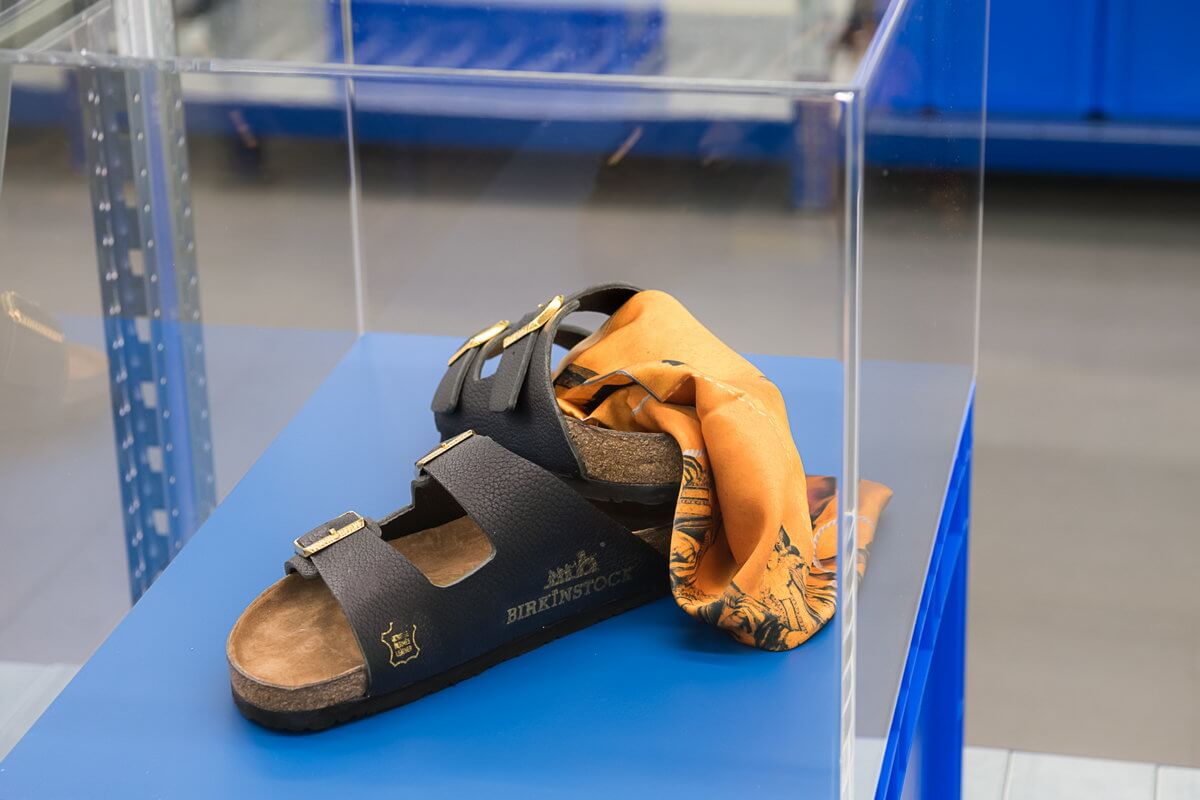
and his Crocs remix, the Balenciaga Platform Sandals,
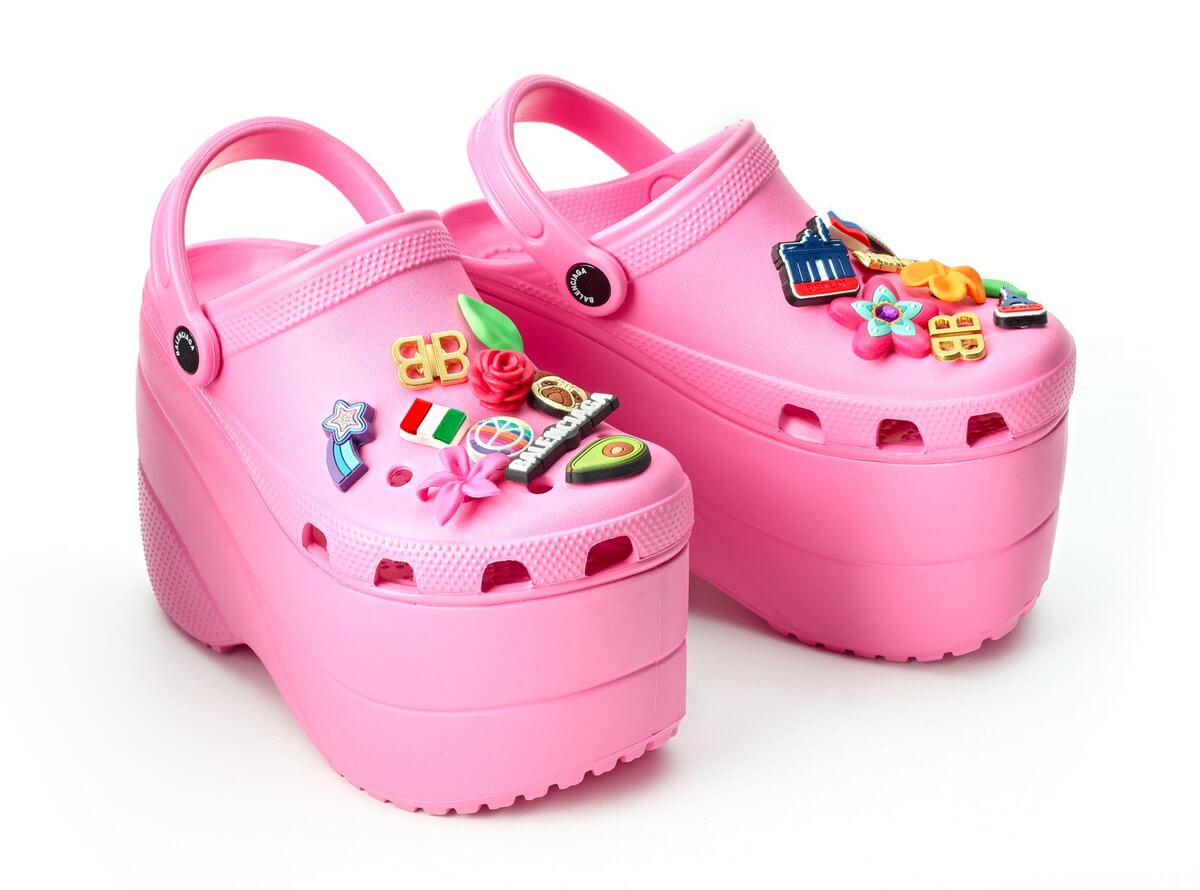
which are also on display in the exhibition, as well as products from Vanessa Harden’s series *The Subversive Gardener* (2015); decorative tools for guerrilla gardening, or the sacralized and exaggerated everyday objects by the PutPut collective, which demonstrate the fetishization of consumer goods right before our eyes.
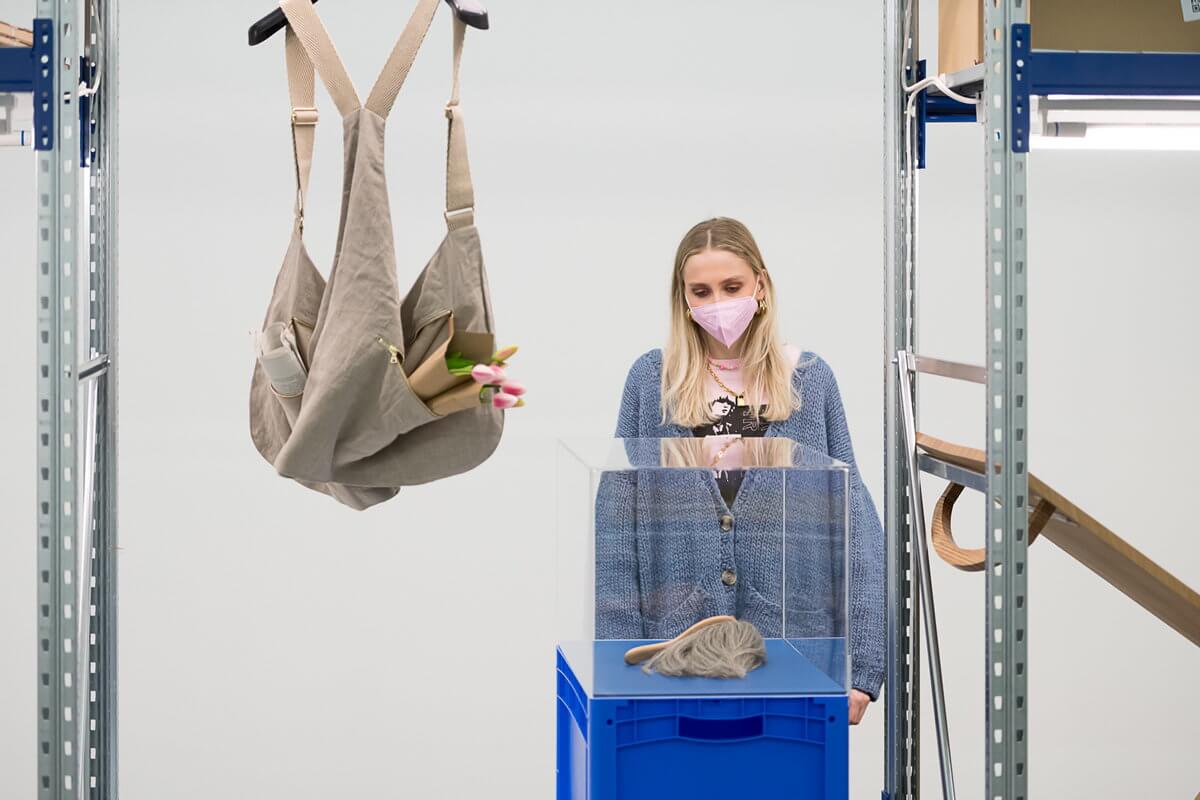
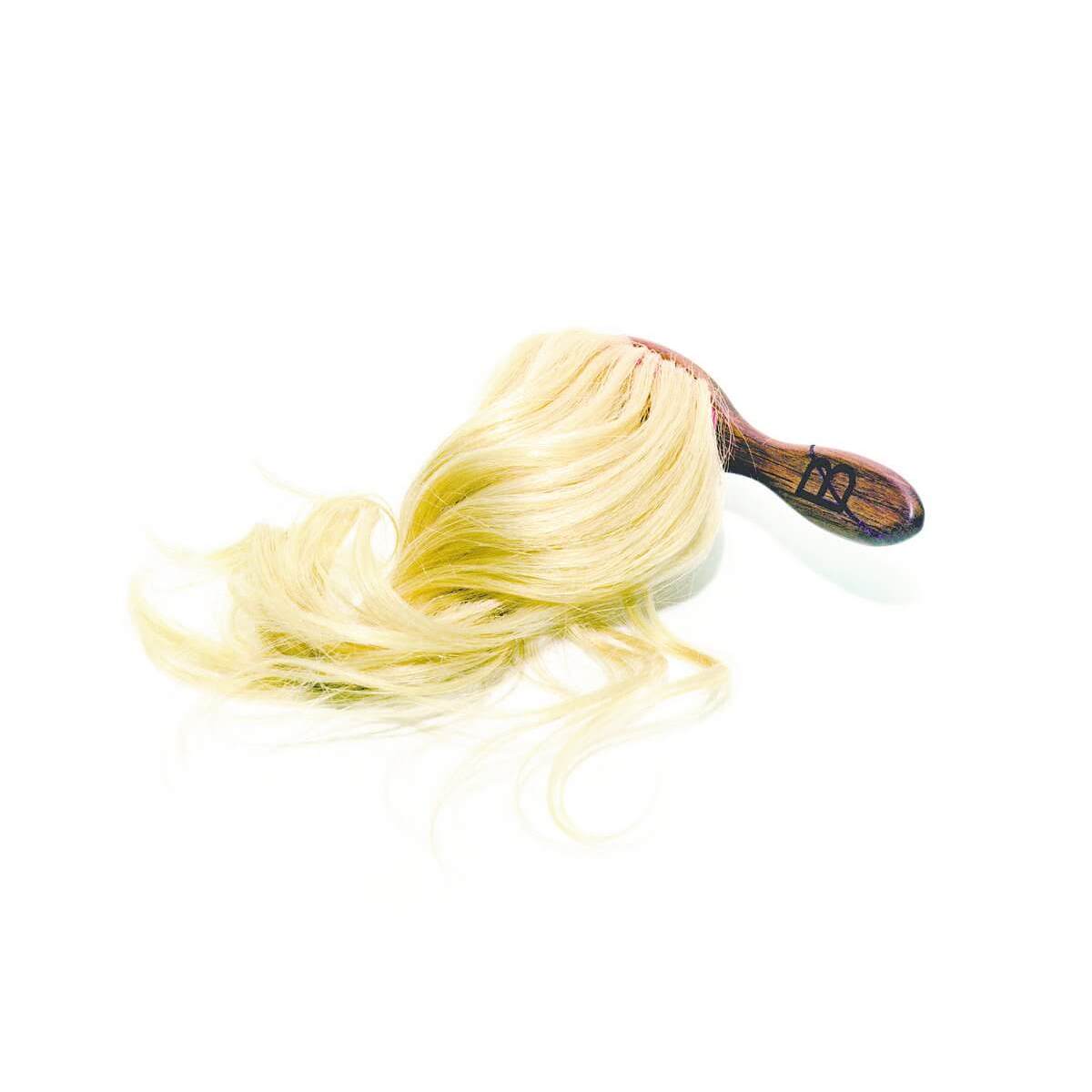
A pillow with a book slit, hairbrushes with hair growing from them instead of bristles, electrical cords adorned with wooden beads or ruffles: The BLESS label plays with materials and constantly improves everyday solutions.
Founded in 1997 by Ines Kaag and Desiree Heiss, the fashion and furniture label has set itself the goal of “making the near future worth living.”
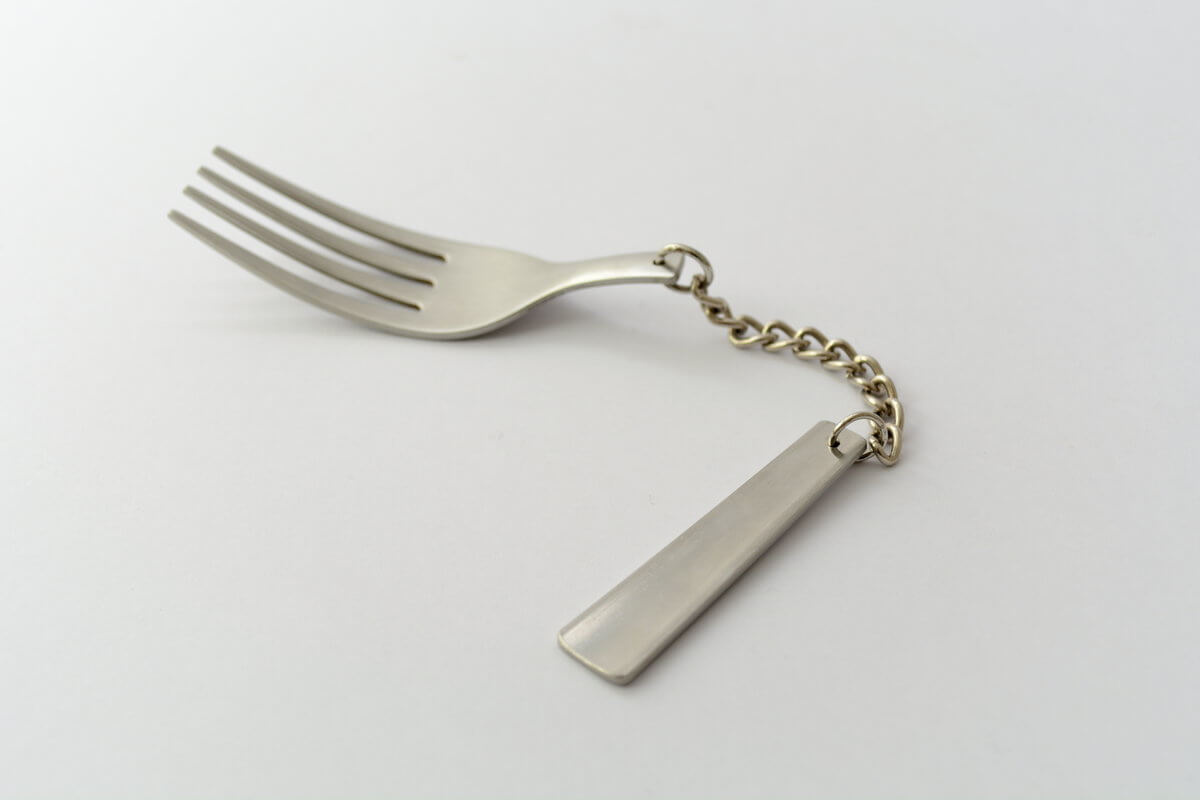
A wine glass with the opening in the wrong place, a fork whose handle consists of a chain, or a broom with a vertical bristle head: In the series *The Uncomfortable* (2017), Katerina Kamprani deconstructs the invisible language of design in our domestic reality, questioning the fundamental characteristics of simple everyday objects and our expectations of functionality.

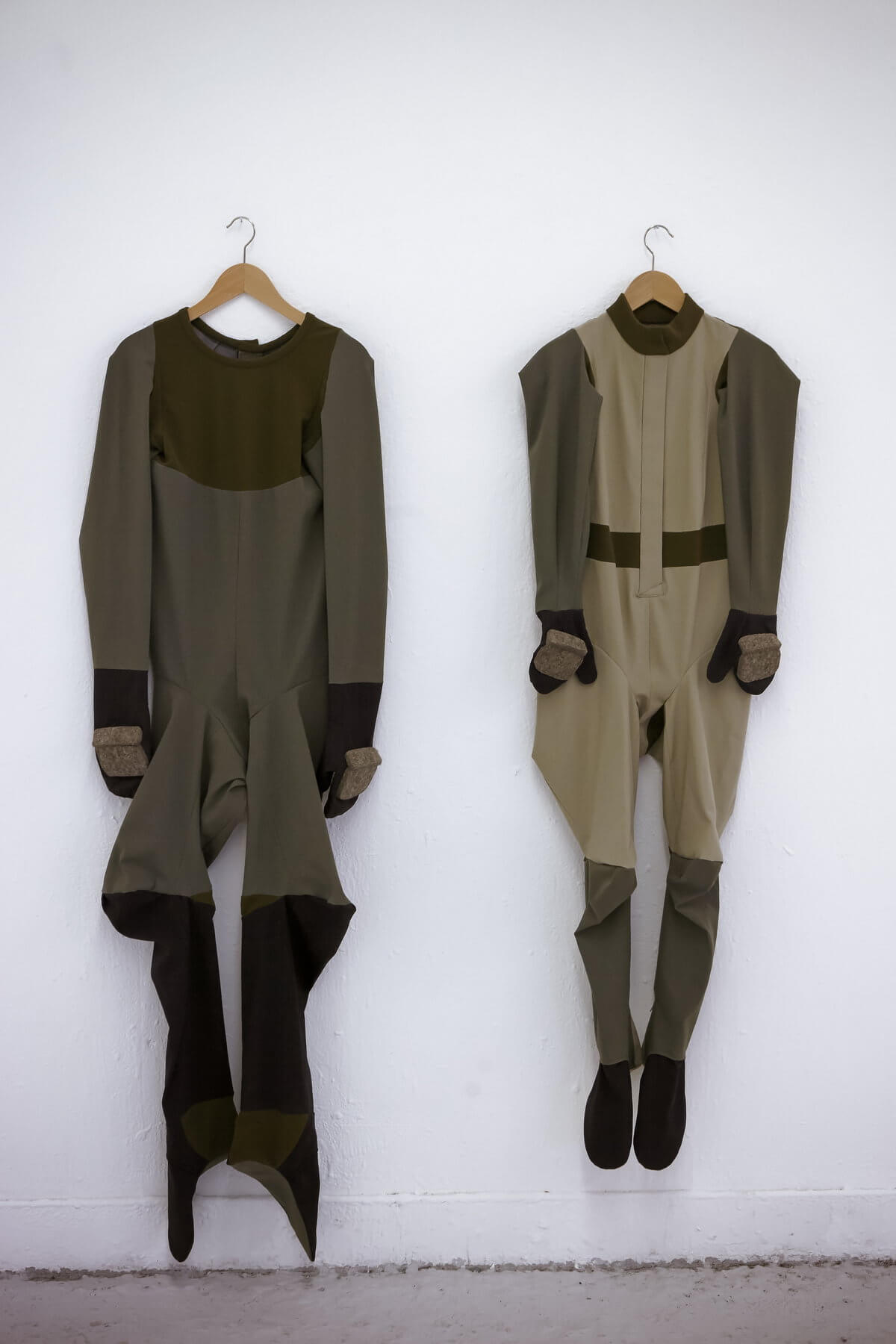
Liora Epstein is interested in the transformation of bodily experiences. With her Crawling Suits (2019), she invites us to experience the benefits of limitations for people who are otherwise self-optimized. The suit is ergonomically optimized for crawling but leaves little room for other activities.
Anna van Eck begins with the shelving system, which is at the center of the exhibition design. She describes her works as “destabilized everyday objects.”
The bookshelf, normally a stable storage unit, features shelves that are crooked or mounted in the wrong place.
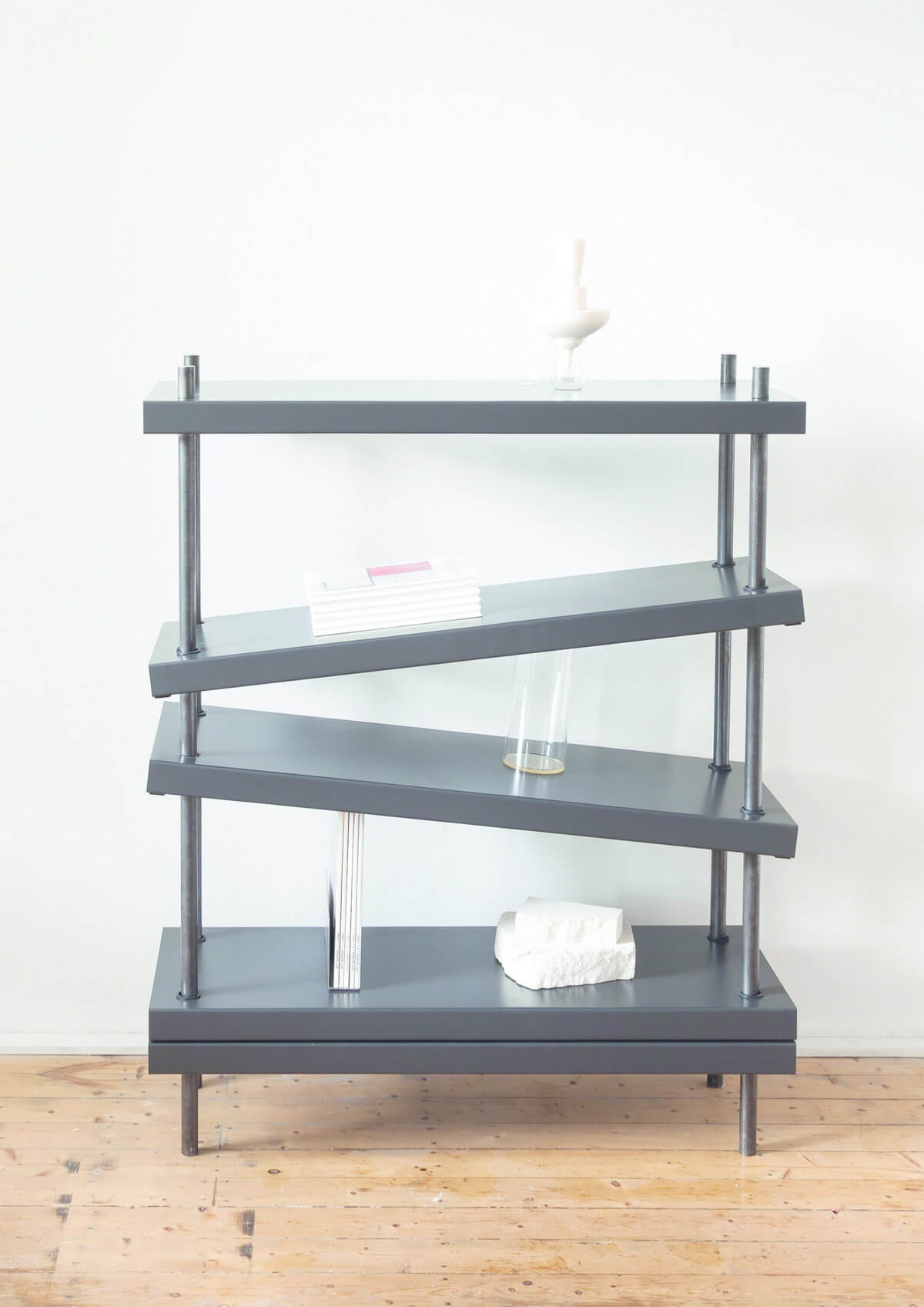
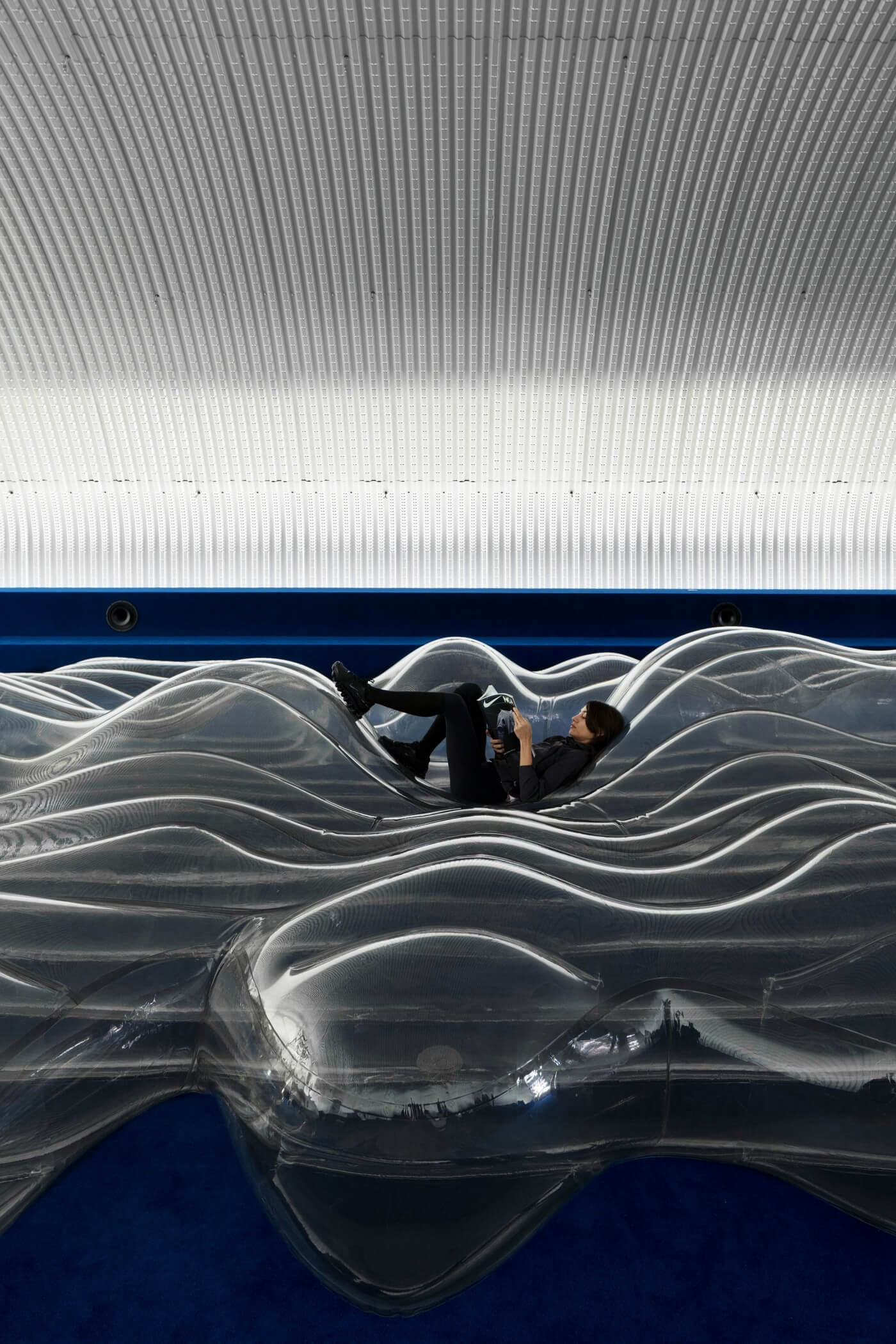
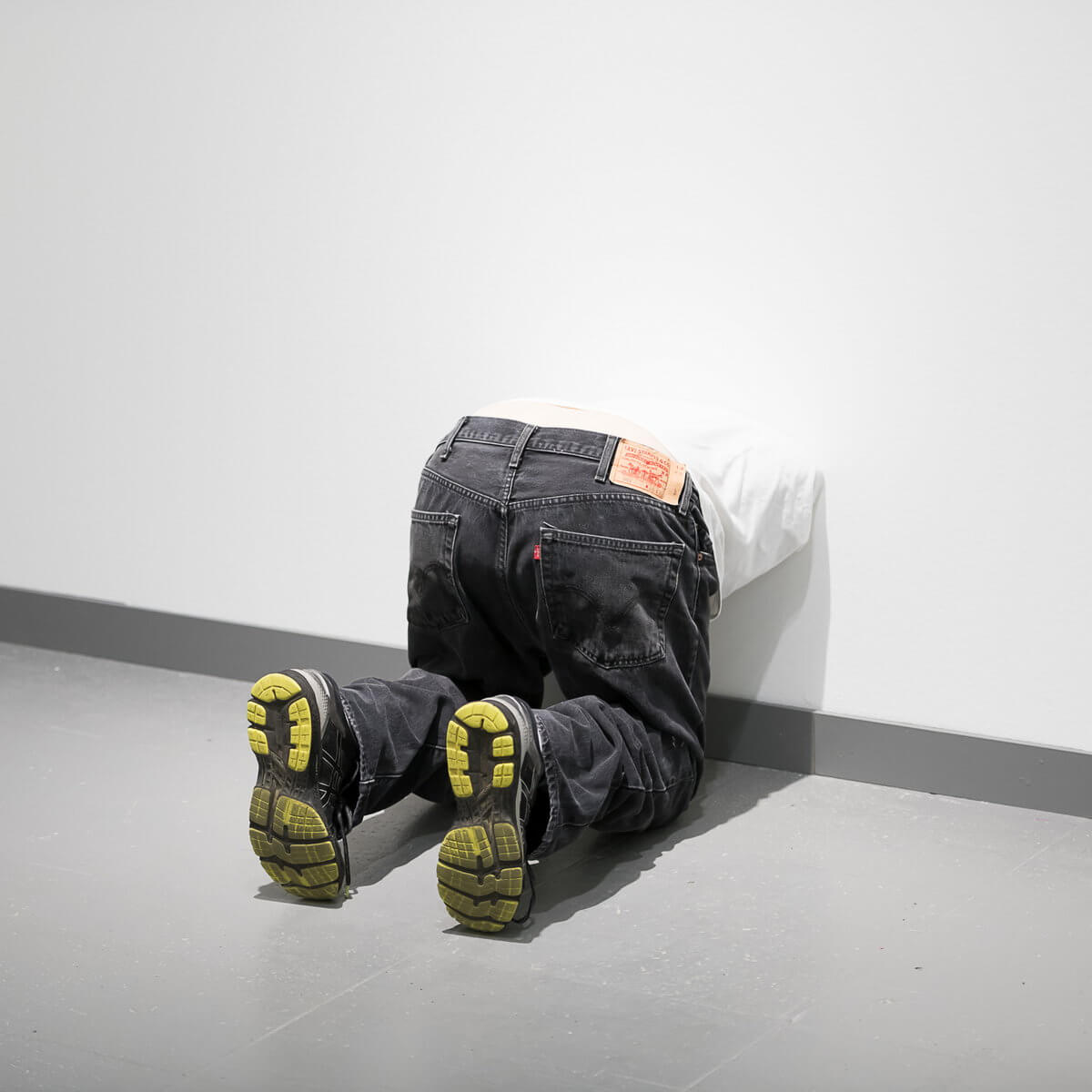
The missing or lost function draws users out of their comfort zone, forces them to take action, and transforms the piece of furniture into an interactive, social sculpture. Further interventions in the exhibition architecture and the spatial environment come from Max Siedentopf, who has created a fictional break room (Pausenraum, 2021) for workers.
The exhibition is curated by Alain Bieber, artistic director of the NRW-Forum Düsseldorf, and Judith Winterhager, curatorial associate at the NRW-Forum Düsseldorf. Some of the works were found via nextmuseum.io, the platform for co-curation and co-creation. The exhibition design is by Please Don’t Touch.
The exhibition “Subversive Design” is on view through May 22 at the NRW-Forum Düsseldorf (Ehrenhof 2, 40479 Düsseldorf).
Photos via NRW Forum Düsseldorf, Katja Illner