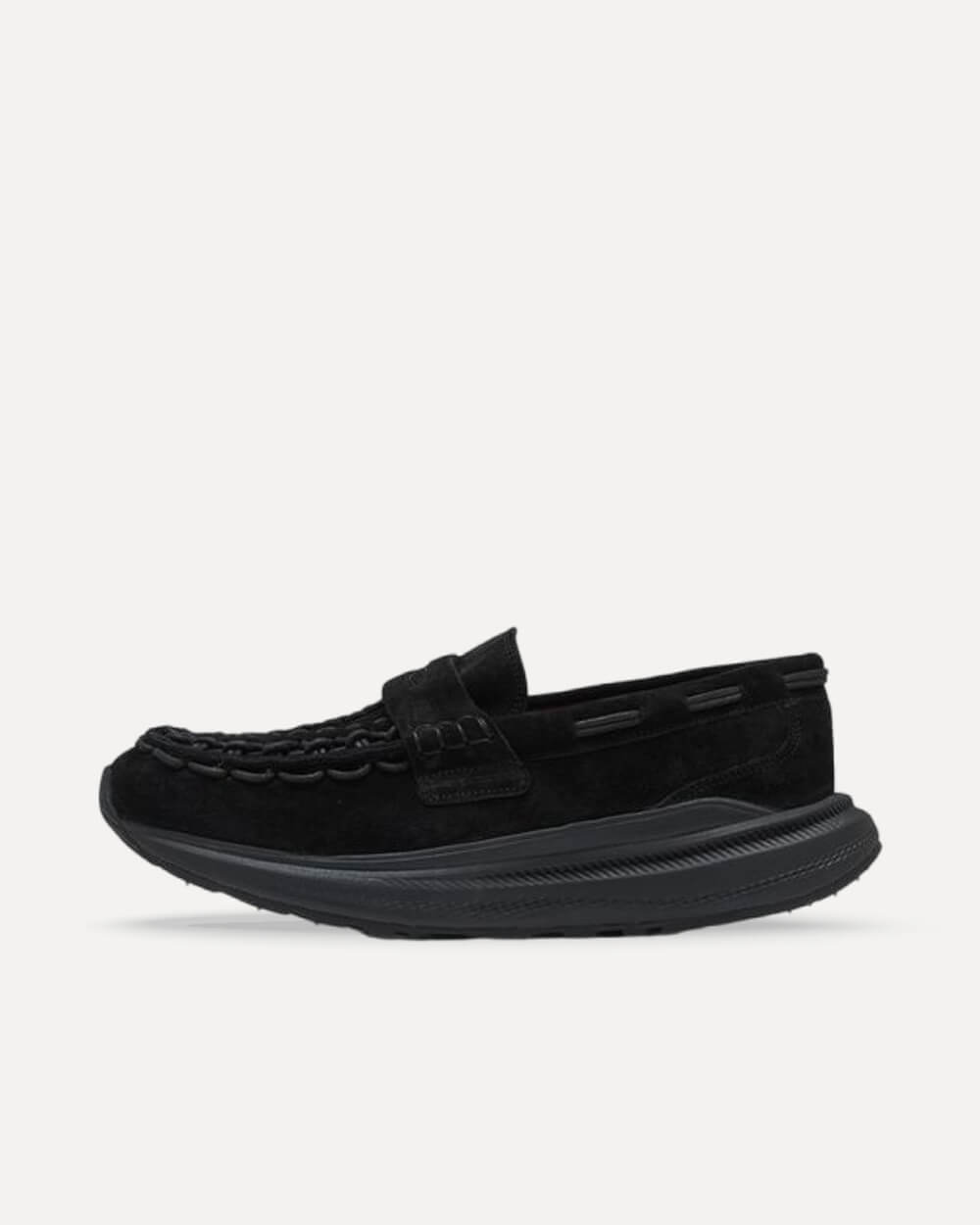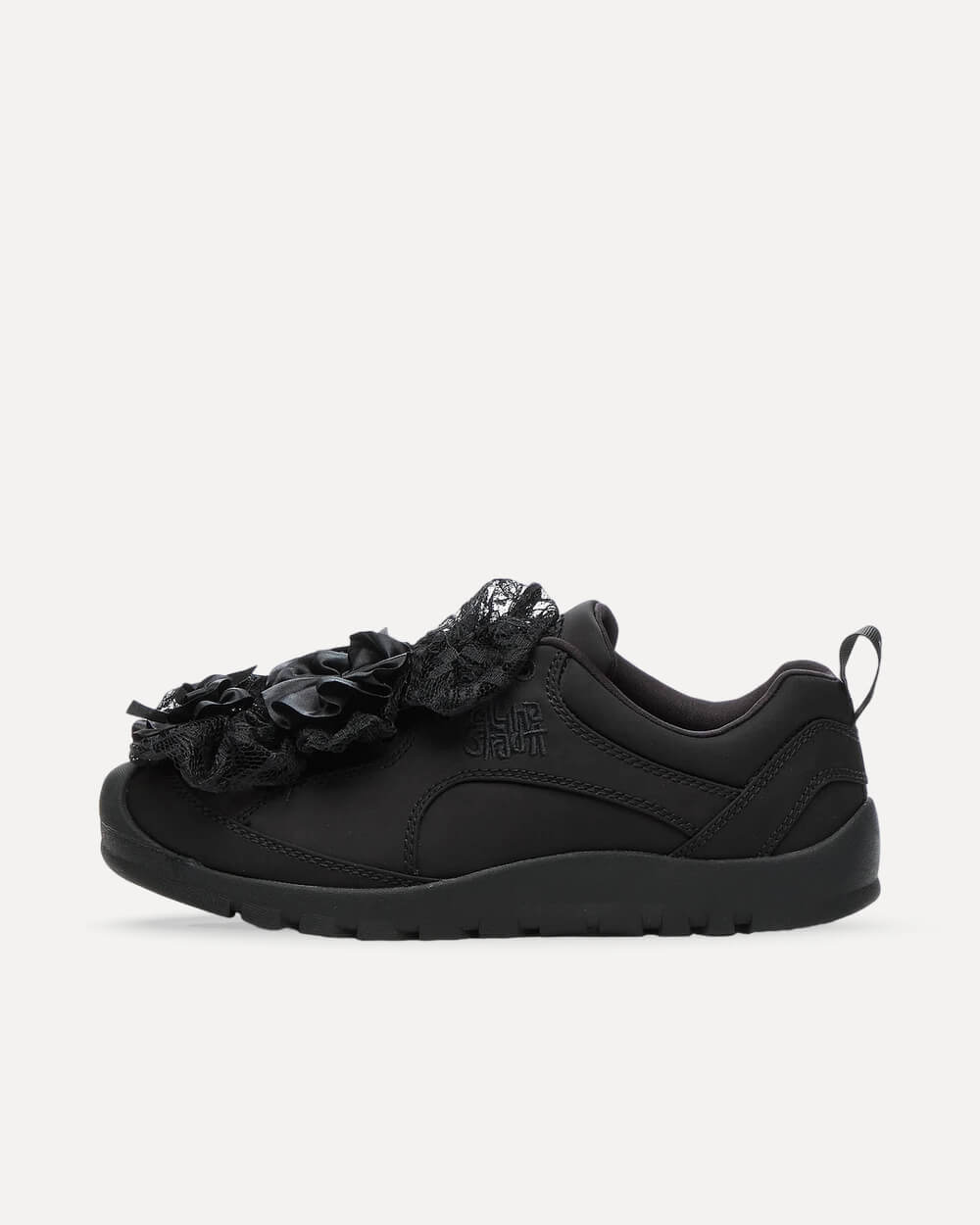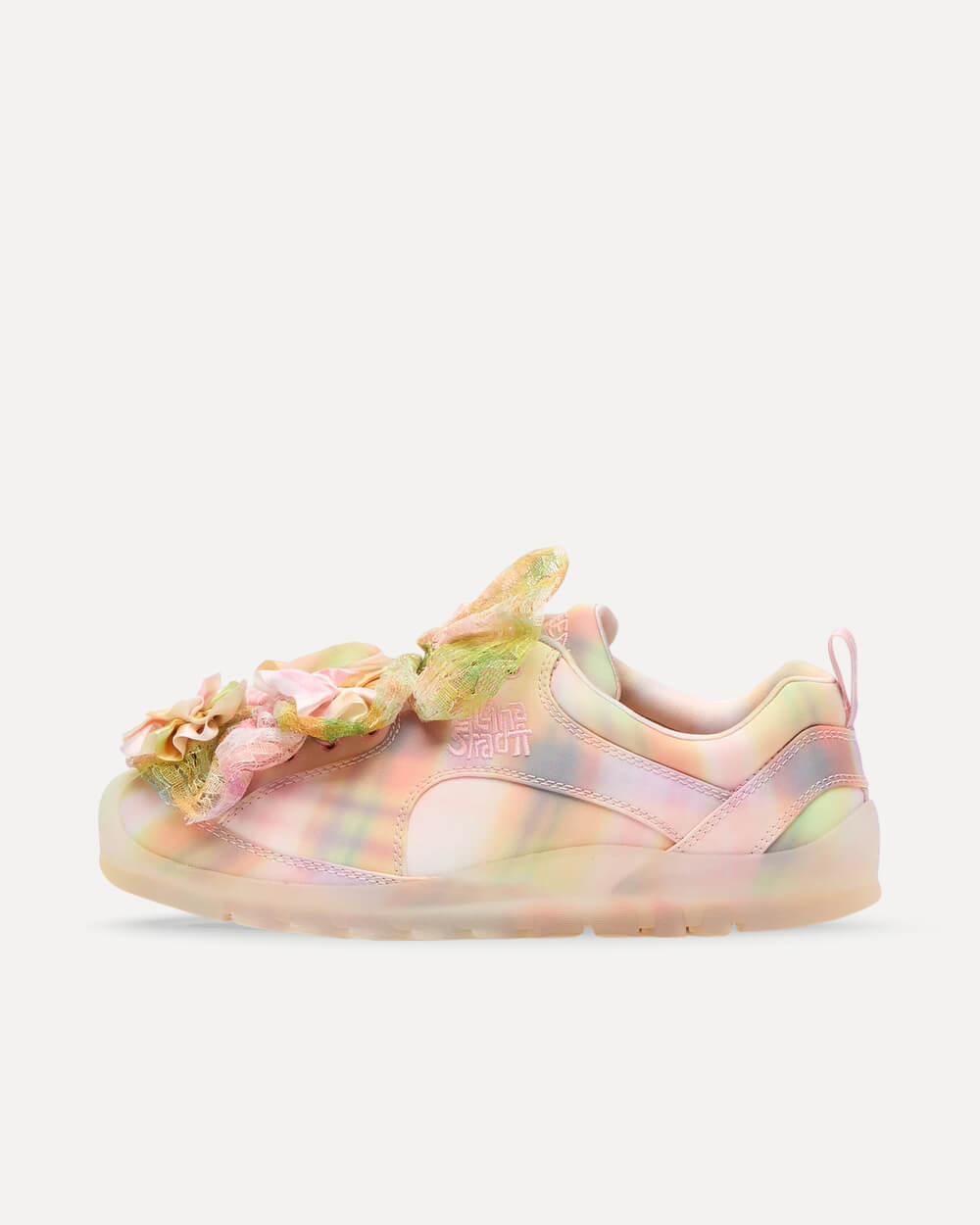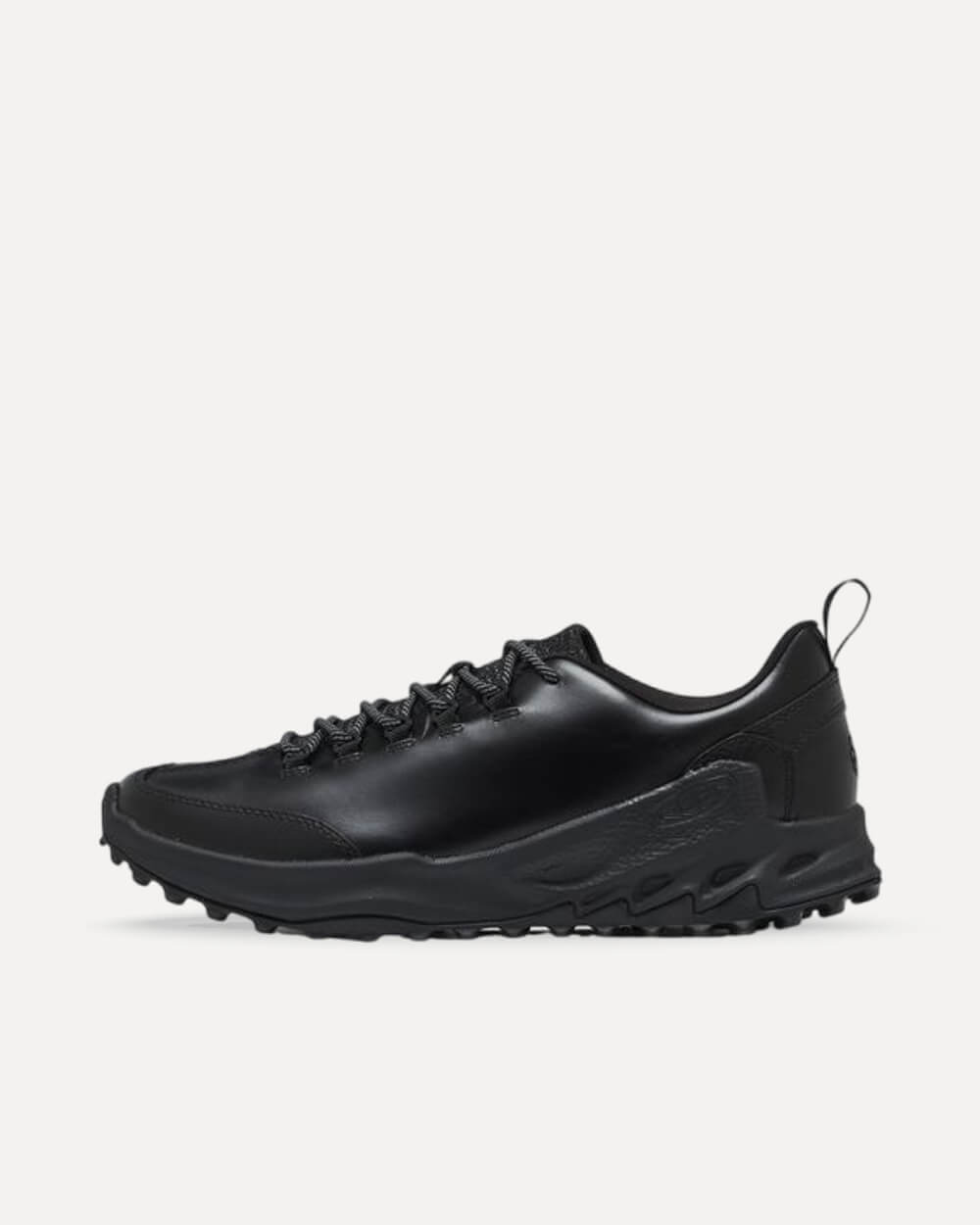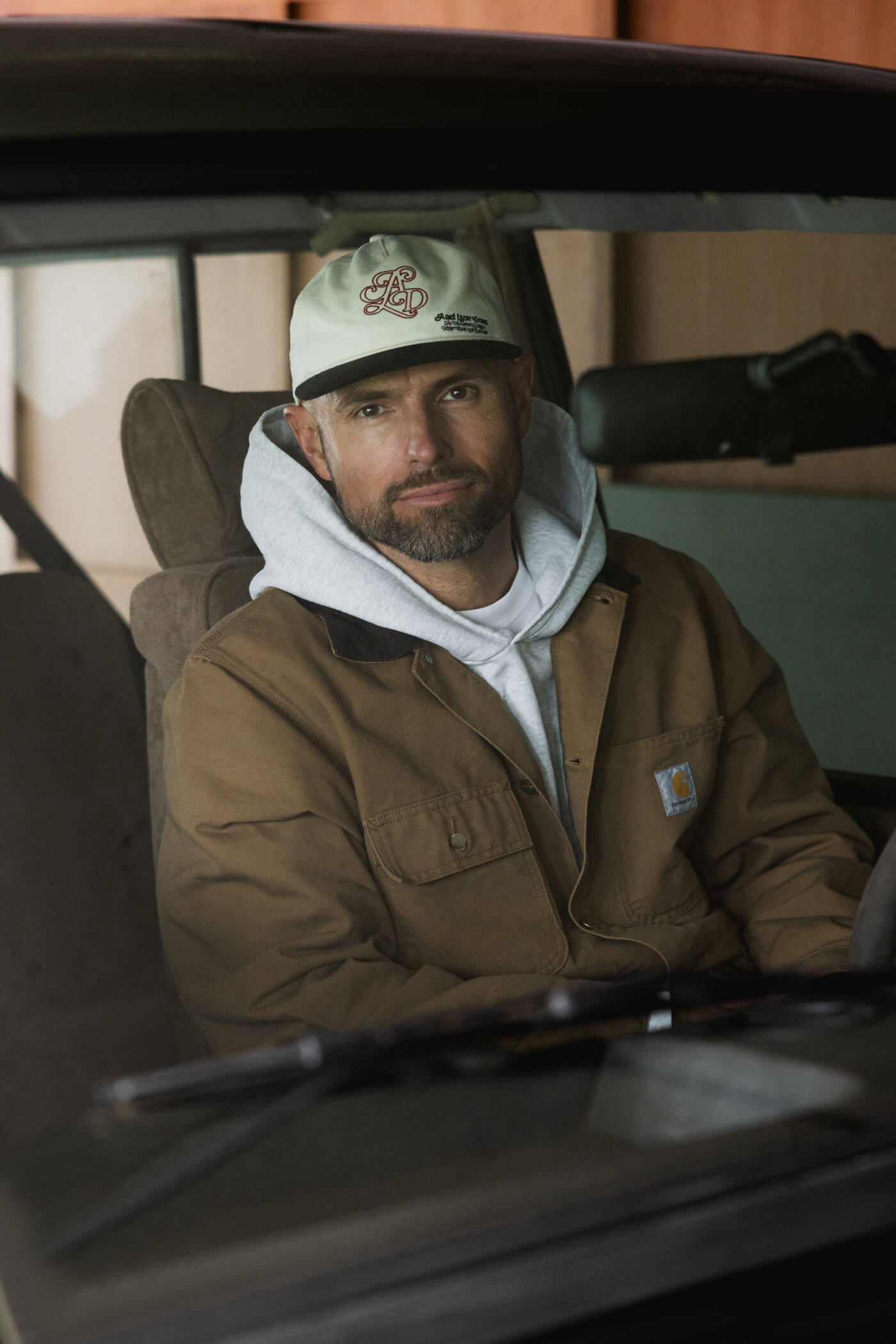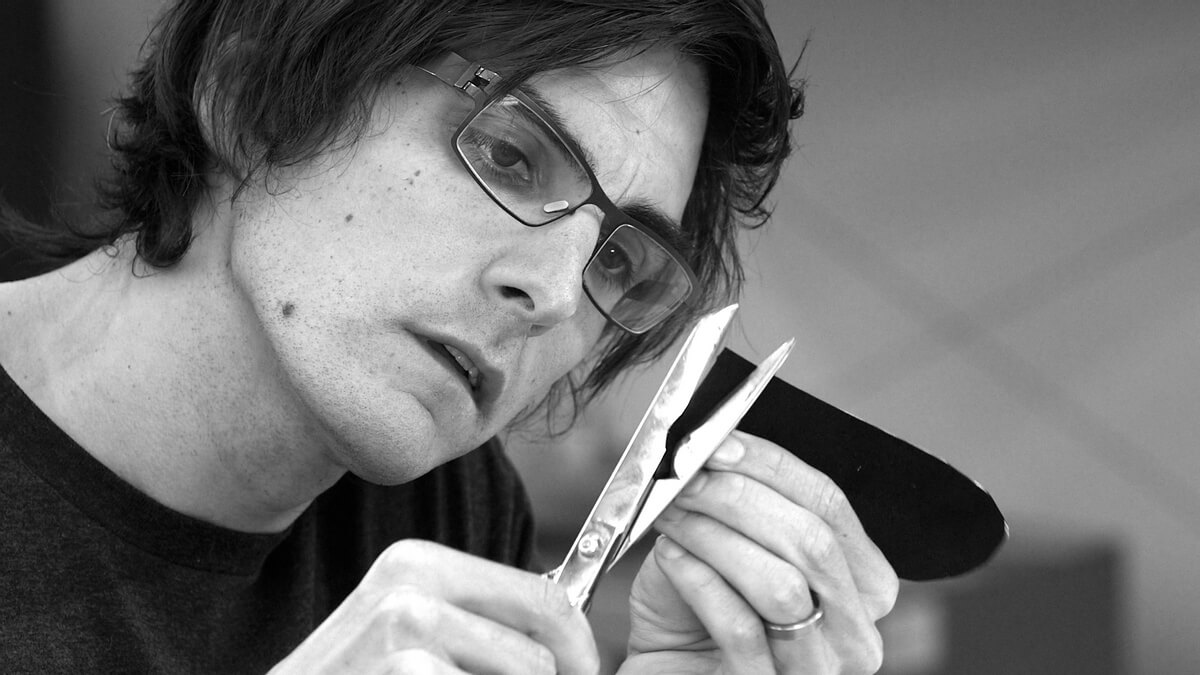
We are pleased to present an exclusive interview with Rory Fuerst Jr., Innovation Director at KEEN Footwear. Rory Jr., who practically grew up in the footwear industry, began working for KEEN as a teenager. Today, he heads the research and development department and plays a key role in the company’s innovation strategy.
During Fashion Week, we had the opportunity to talk with him about his passion for shoes, the history of KEEN, and the future of the footwear industry. Rory shares his personal memories and insights into the sustainable practices and technological advancements that set KEEN apart from other brands.
A: Who are you? Can you briefly introduce yourself?
R: Well, my name is Rory Fuerst Jr., and I’m… Guys, I have a long title now, but basically I do research and development at KEEN.
A: Were you a sneaker fan as a kid or teenager, or did you have a special connection to sneakers or shoes before you started at KEEN?
R: I grew up in the shoe industry. I’d say I’m a fan of any cool shoe, you know? And I think sneakers fall into that category. So I’ve always been a fan of shoes. I mean, I didn’t have a choice because I grew up in a shoe factory.
A: Can you remember a specific model that introduced you to the world of shoes (or sneakers)?
R: That’s a very, very good question. Well, I remember that the first shoes I ever wore were the Nike Air Ups. I don’t know if you guys remember them. I think they were basketball shoes. I think they were Penny Hardaway signature shoes, and I wanted them for Christmas.
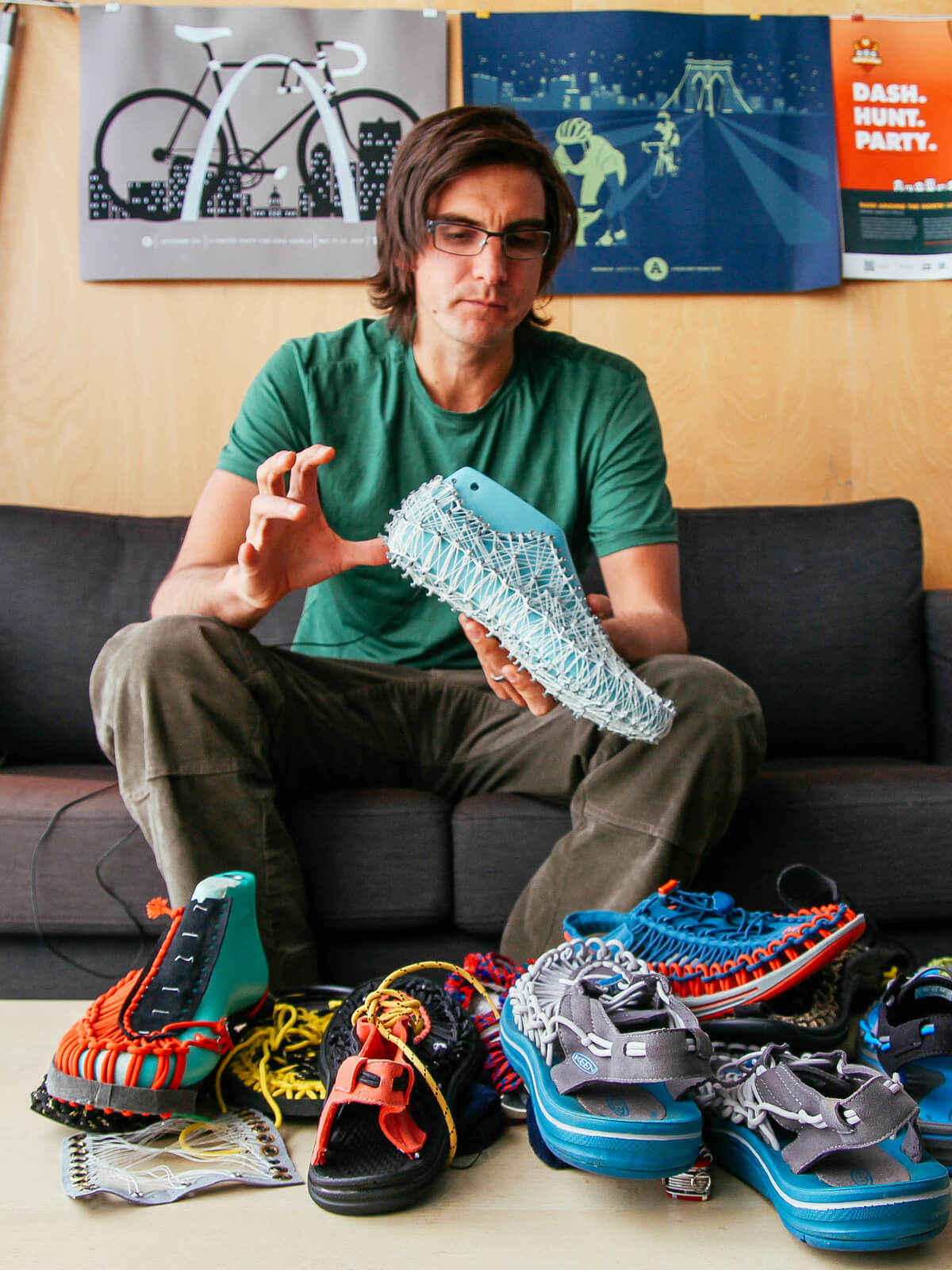
And I got them. There’s a video of it—my parents recorded it. My dad owned a lot of shoe factories. When I was older, he eventually opened a repair shop that re-soled shoes. It was near my house.
I just remember walking through there and seeing all kinds of cool shoes. I don’t remember the specific models anymore, just what they looked like. So I could probably draw them better than I could name who made them.
A: Can you tell us a little about the history of KEEN? How did the brand get started?
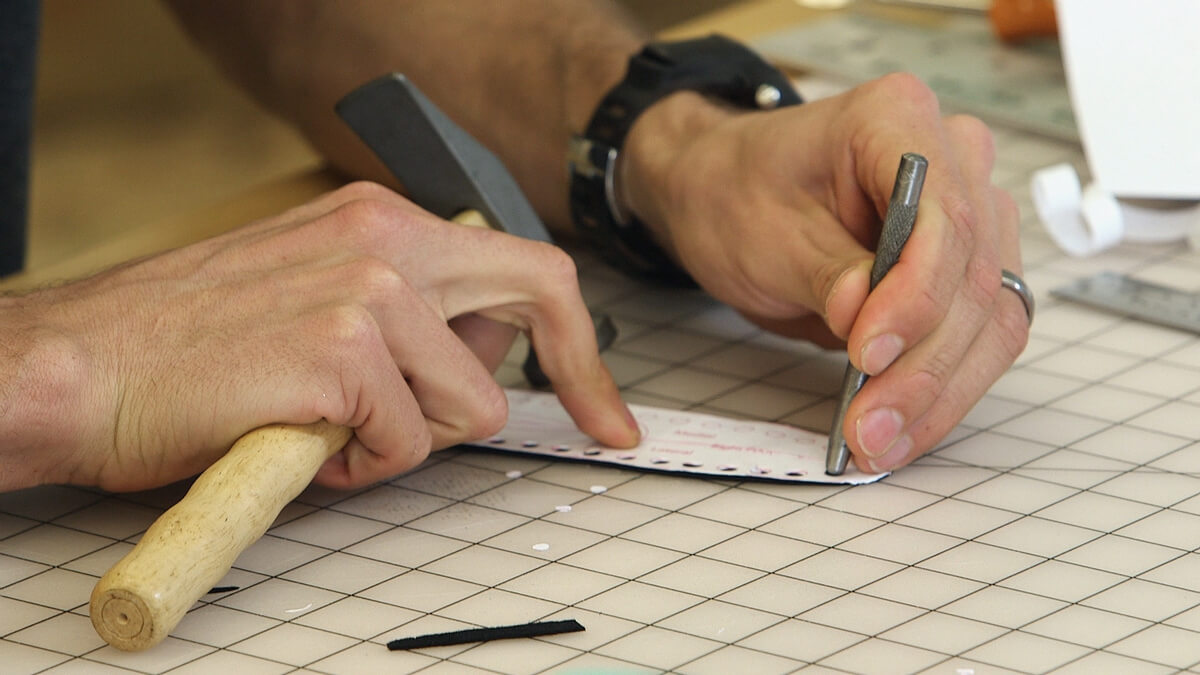
R: A few people founded a company in 2003, and my dad was one of them. It actually started as an independent research and development project. I remember how my dad tried to pitch the idea to the industry. Since my dad had been in the industry for ages, he had a lot of contacts.
But nobody wanted to buy it. I mean big brands. The biggest brands. I won’t name them, because that’s in the past. And then it just so happened that at the next outdoor retail trade show in America, a small group of people had founded KEEN. That was in 2003. I think the rest is history.
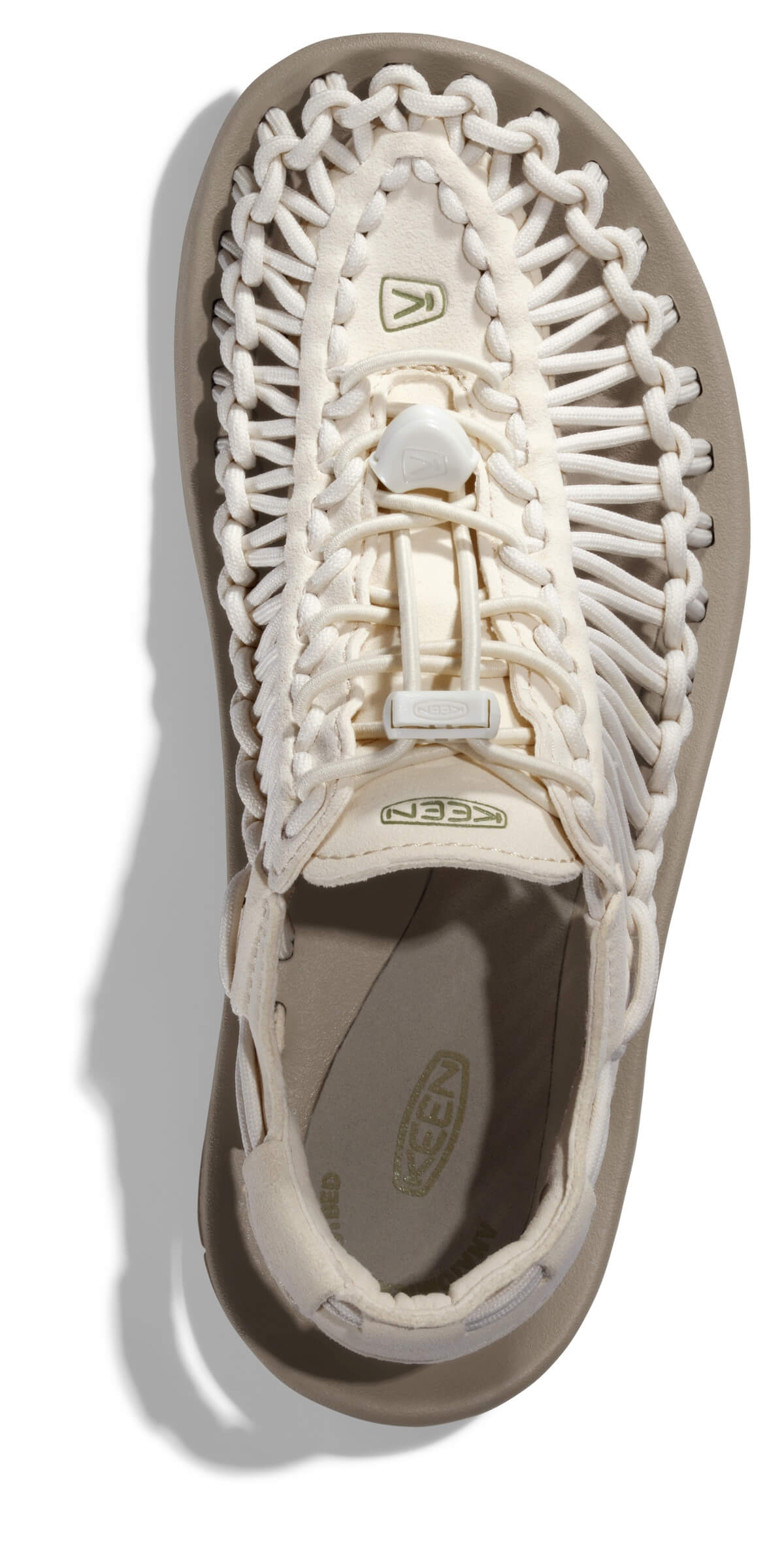
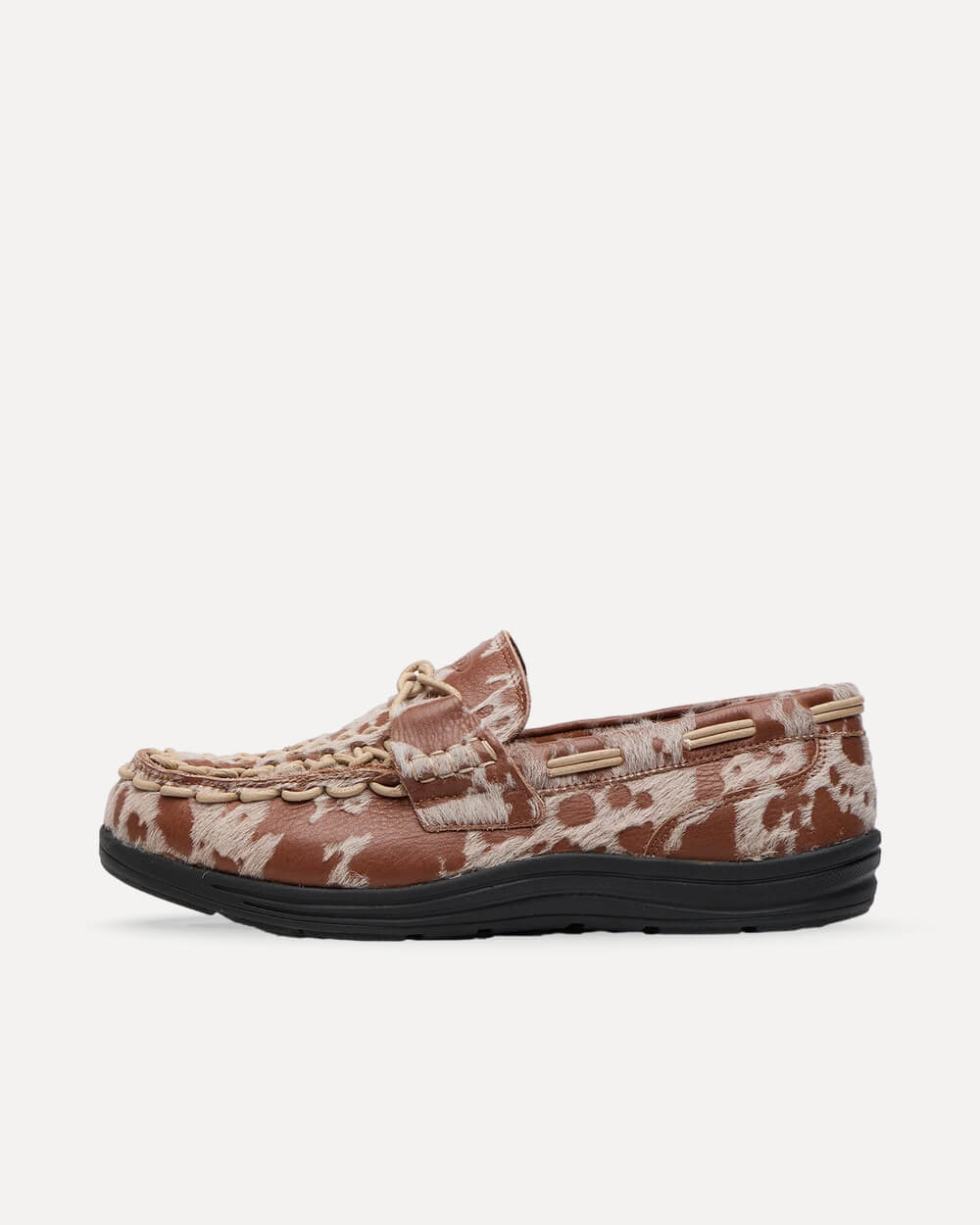
This shoe was the Newport Sandal, which was featured at the fashion show last night. So it has evolved from a purely outdoor sandal into a fashion item. That’s a long story.
Personally, I started working at KEEN pretty much right away. But I was actually still in high school at the time. So I went to college for a year and started working there. I was an apprentice for four years, so to speak.
So that was my college, so to speak. I didn’t go to college. I always say that I went to school in China because of all the factories there. (laughs)
A: How does KEEN differ from other shoe brands on the market?
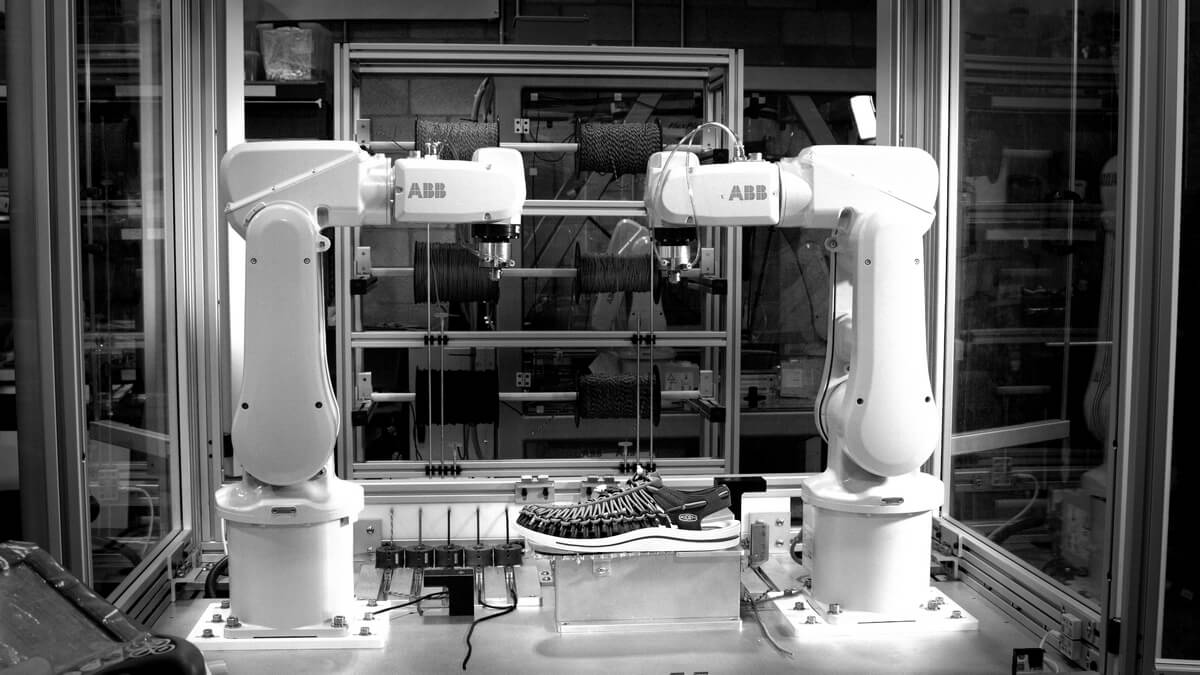
R: The most important thing is that we have our own production facilities—that’s very important. Most brands don’t have that. Some Italian manufacturers do, but we go much further.
We manufacture about 50% of our shoes in our own factories. That’s huge. I think we’re still young. All the brands I mentioned are established brands. Good brands, but older.
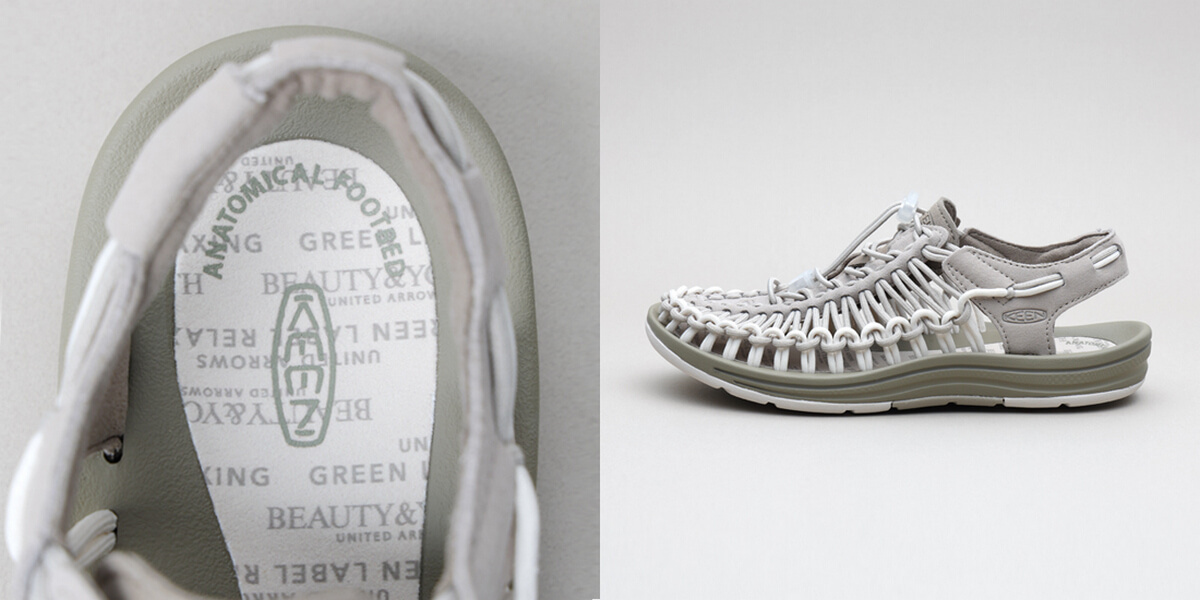
And I think we’re pretty diverse in our product range. I mean, just look at the trade show we’re at right now. And that’s just a few months from now. So we’re doing a lot of different things.
And personally, I hope we keep doing this: We take a lot of risks. We’re innovative, and that’s a good thing. I still have a job.
A: Can you explain the technology behind KEEN’s shoes? How does it improve comfort and the overall experience for customers?
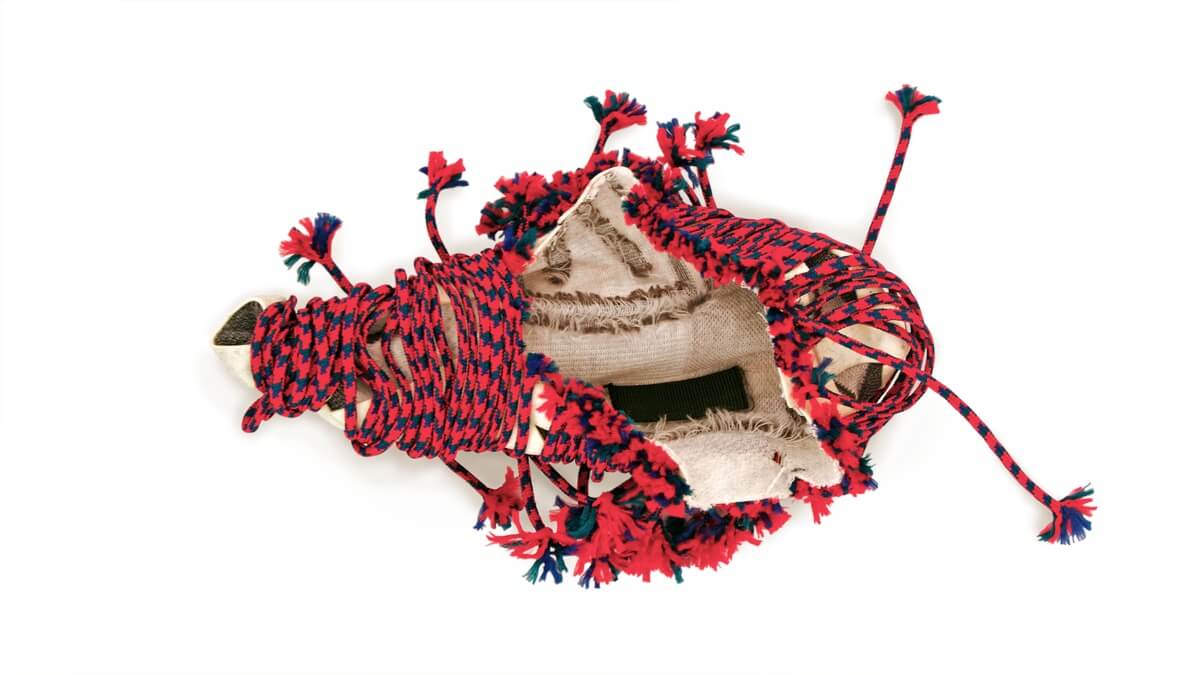
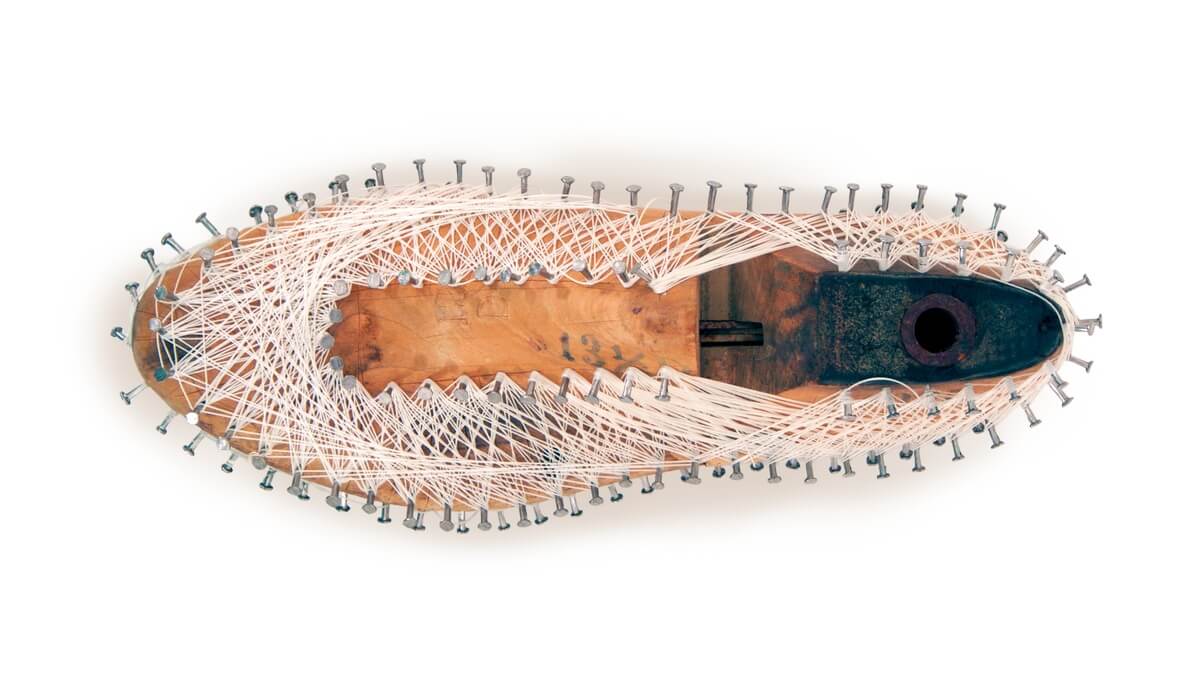
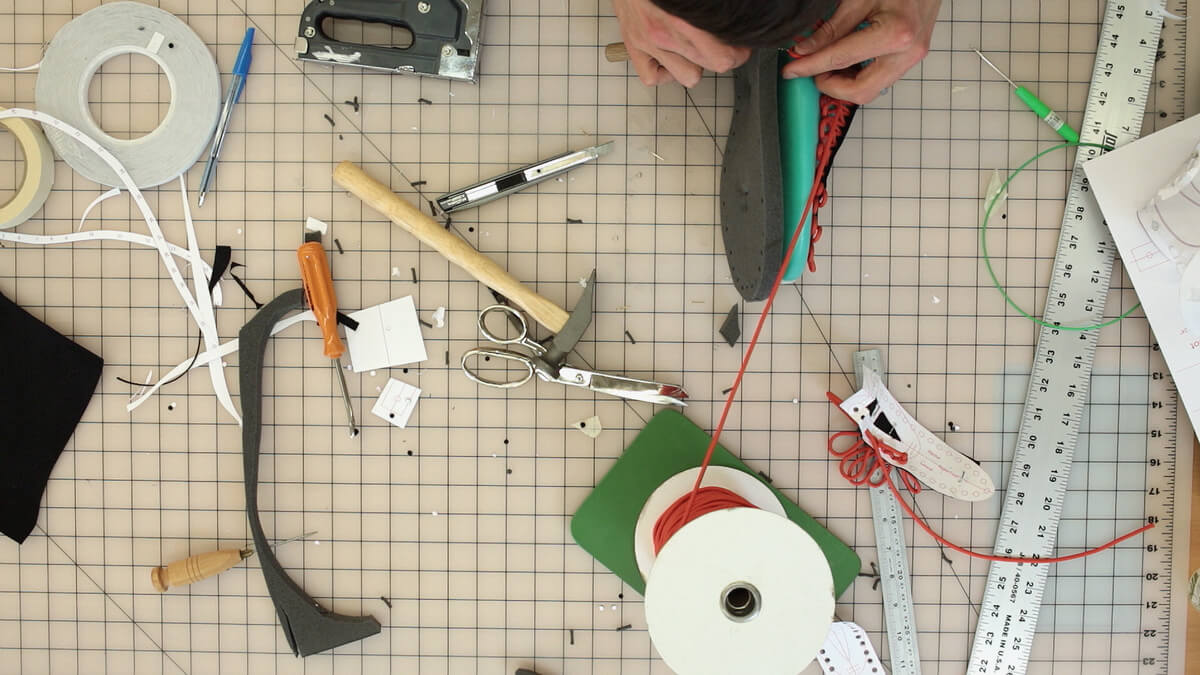
R: One thing we’ve been working on is eliminating chemicals that are very harmful to the environment. We’re working to limit the types of adhesives we use in our products. Overall, we’re trying to eliminate all adhesives.
This, too, is an ongoing process. That’s not the case yet. I think all these issues surrounding sustainability aren’t resolved yet—across the board. We haven’t given this much thought for a long time, and it will take a long time to change that.
But this isn’t just the case with shoes. It affects everything: cars, chairs. It takes a very long time to make these changes. I’ve been making shoes my whole life, and I think people are becoming more and more aware of this.
If you look at this (Editor’s note: Rory is looking at my shoe). Oh, that’s New Balance—another great company. But the shoe is made up of a multitude of parts. So when you look at the supply chain, it’s massive. I think it’s about streamlining and localizing that supply chain.
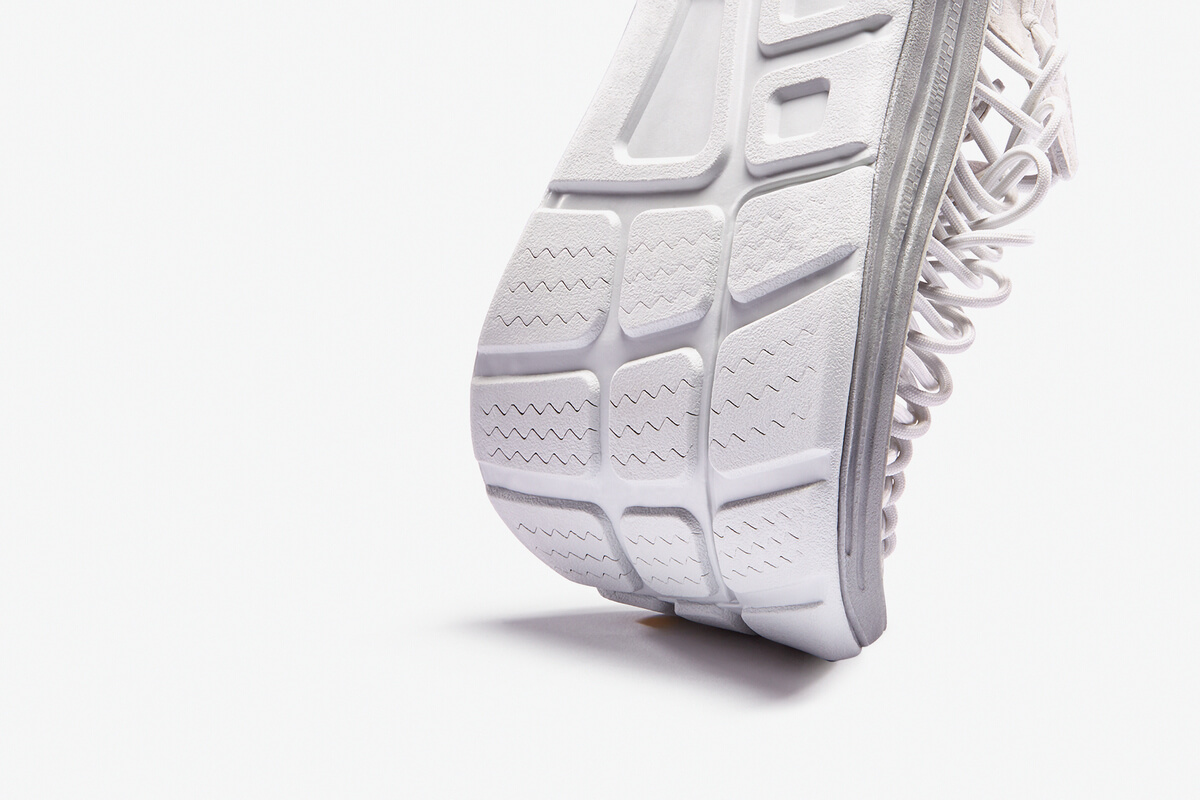
That’s a big part of what we do. We’re also focused on making more durable products. Because if they aren’t, you have to throw them away after six months.
A: Sustainability is an important issue in today’s market. What steps is KEEN taking to ensure that the production process is environmentally friendly?
R: That’s a key reason why we manufacture our shoes ourselves. Another aspect is finding the best manufacturing partners and nurturing those relationships.
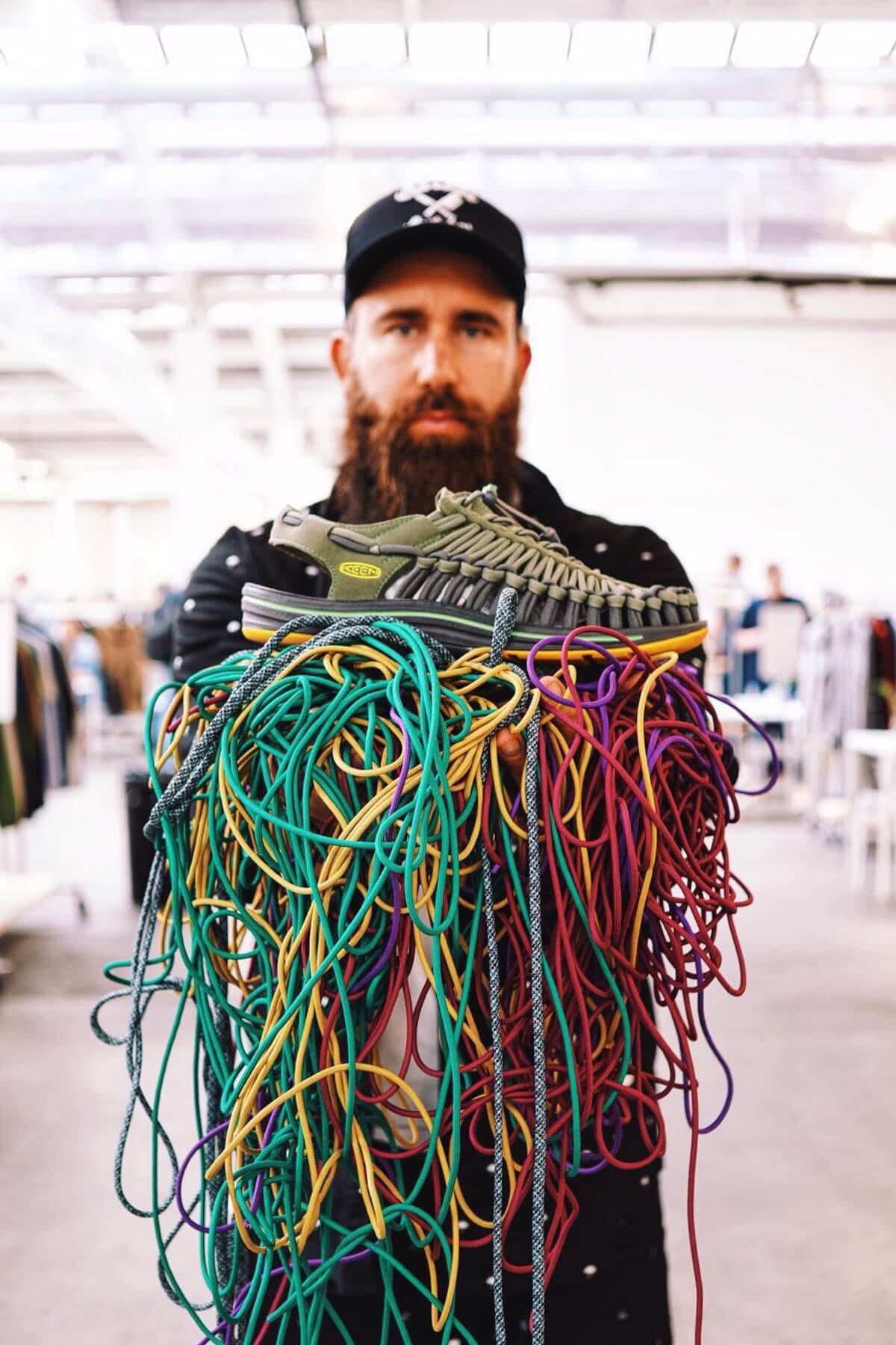
And to come back to the beginning of our discussion about the supply chain: the search for the best materials and their sourcing. We have a phenomenal materials team at KEEN that’s very focused on sustainability.
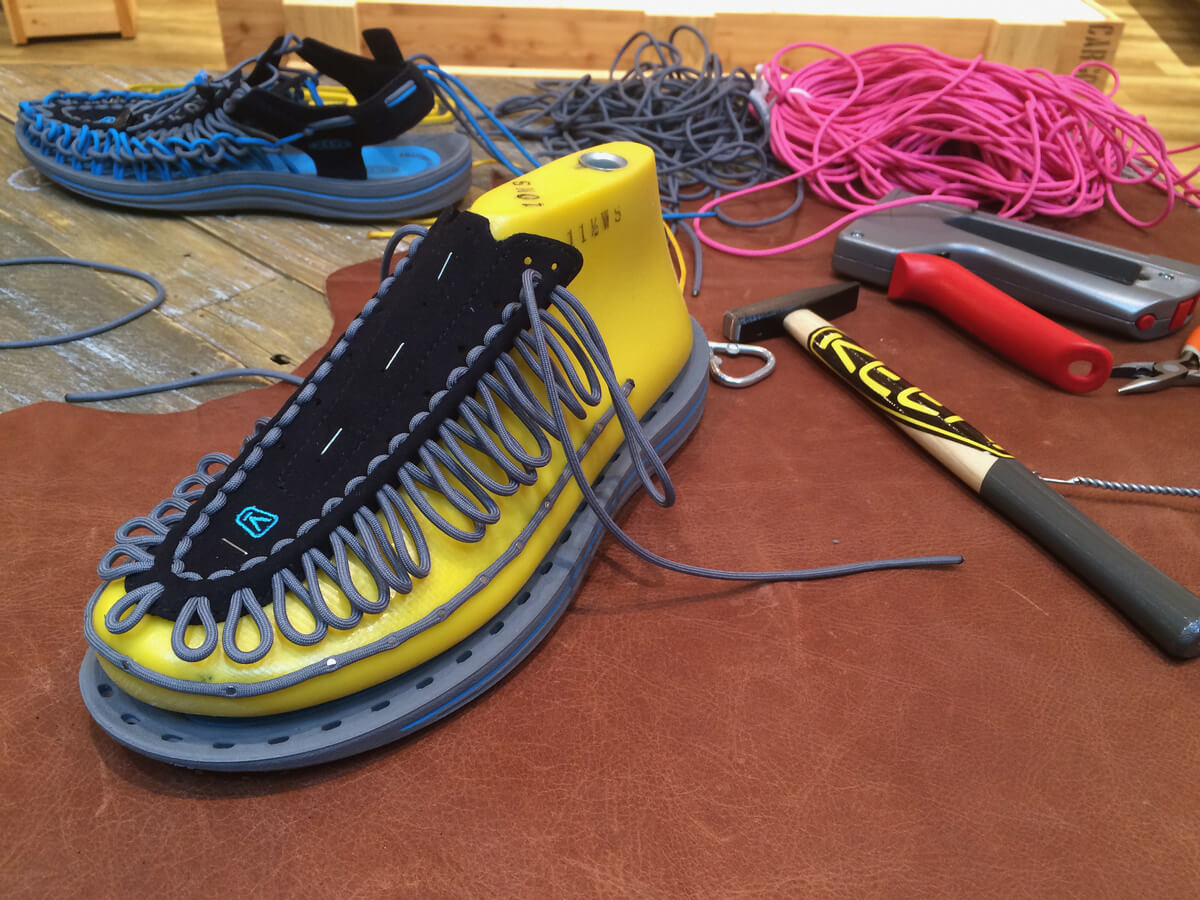
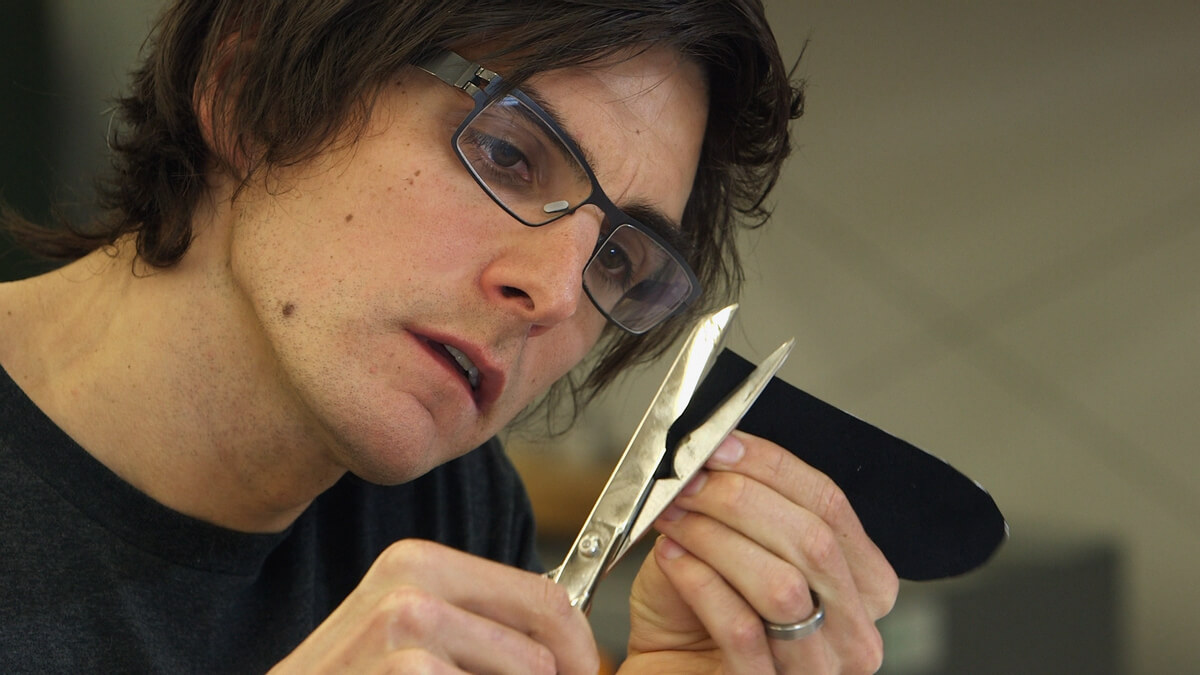
So we start right at the beginning and make sure the materials are good for the environment. The craftsmanship of the shoes is truly high-quality—the way we cut the materials and attach the soles. The whole thing, you know.
A: How do you see the future of KEEN in light of changing customer behavior, market trends, and the digital revolution? Will the gorpcore trend fade away, or is it here to stay?
R: That’s a good question. The answer is: Yes. My prediction for the trend: I think some trends will fade away pretty soon. I believe we’ve reached a peak, so to speak. I can’t say when, but it happens all the time.
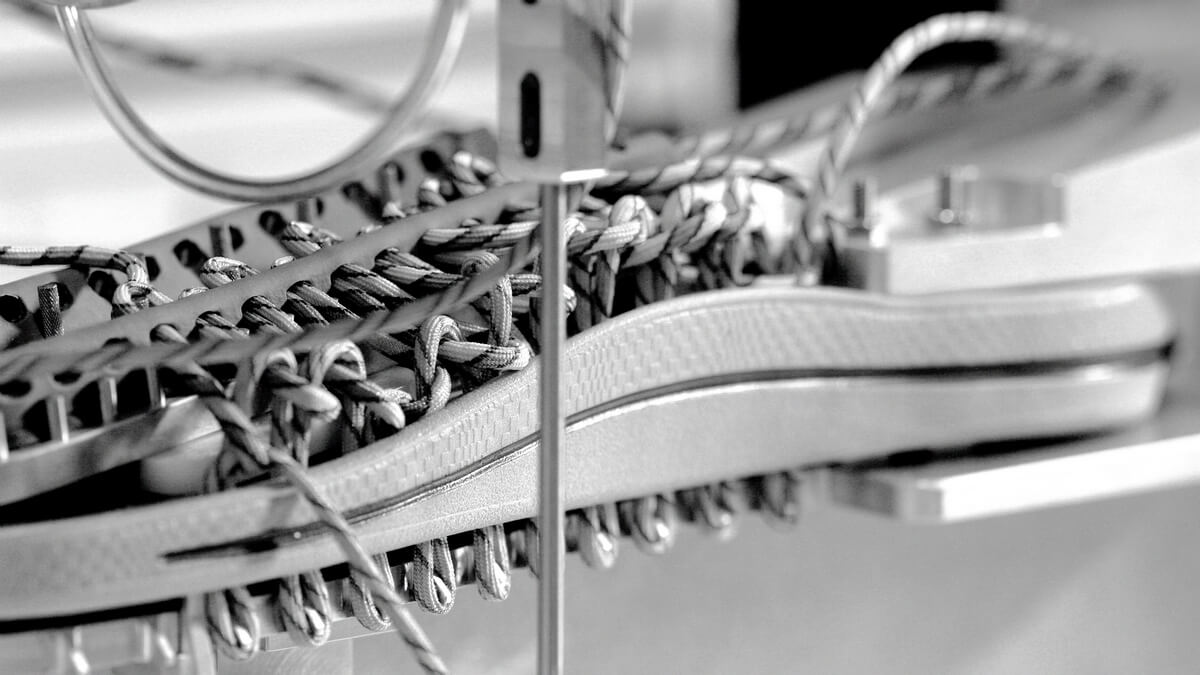
There’s a major push toward recycling materials—specifically plastics. I think everyone will come to realize that this is necessary. If everyone makes the switch, it’ll be best for the environment.
I think we’ll see a lot of natural materials making a comeback. Canvas, cotton, and I think leather will make a big comeback. Ultimately, leather is a very good material.
A: Which model are you wearing right now?
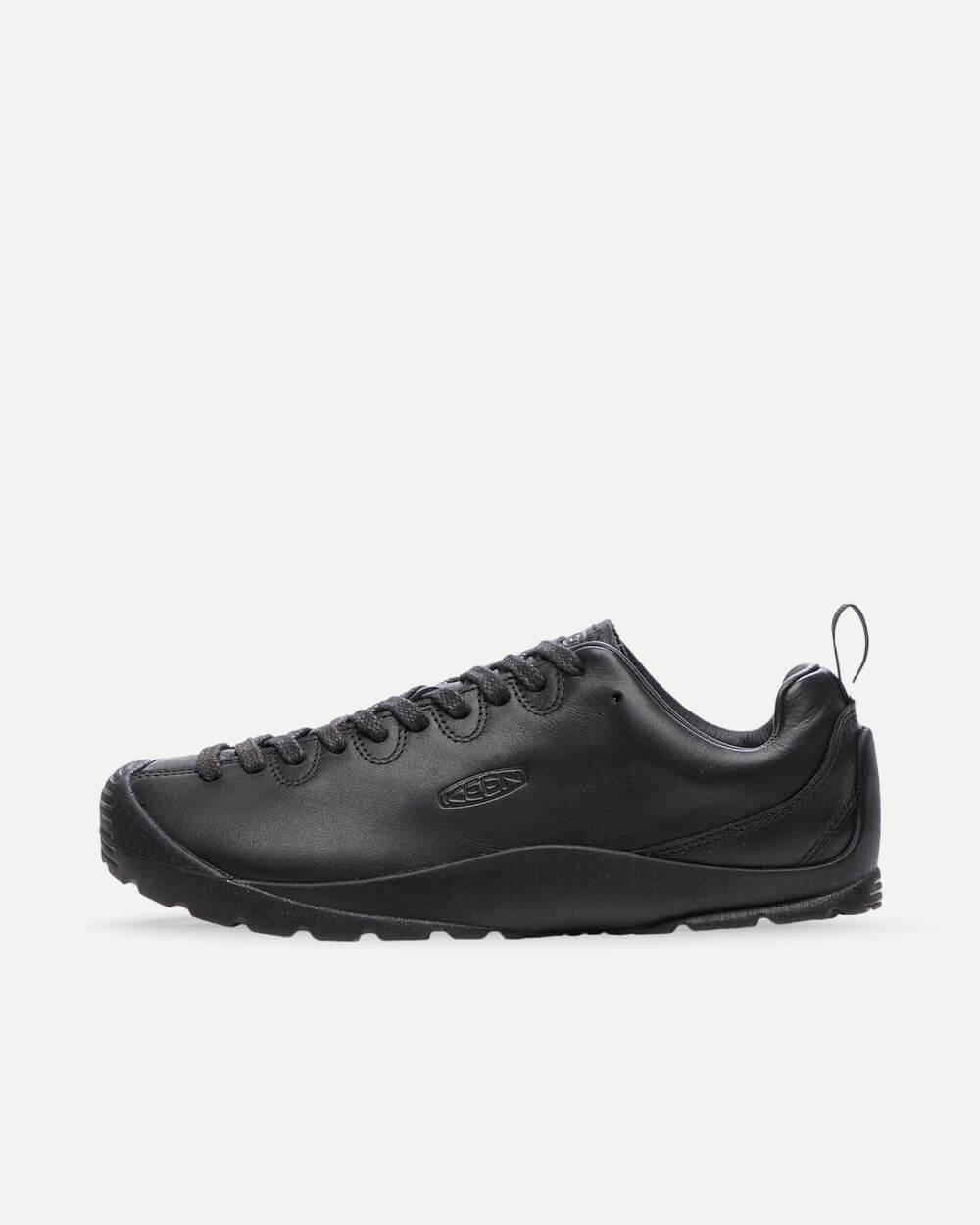
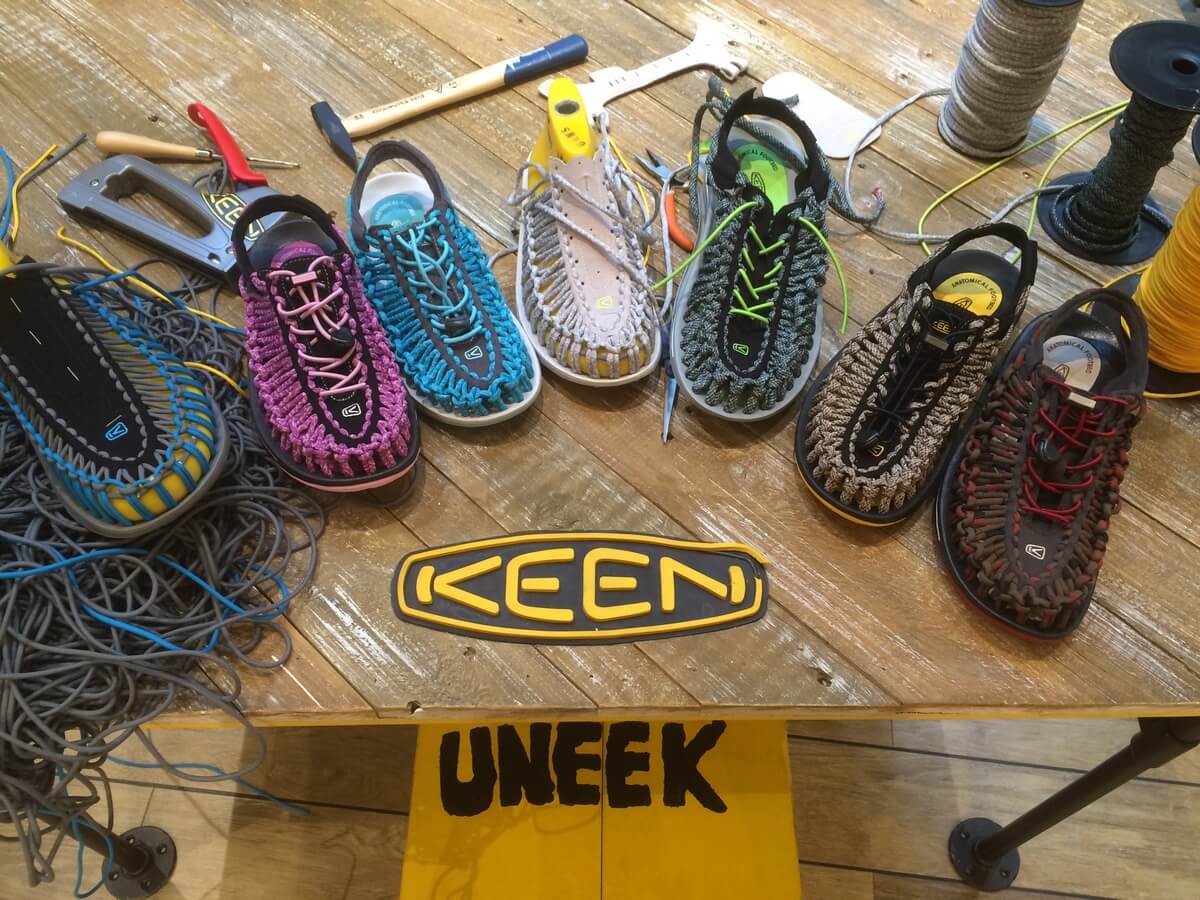
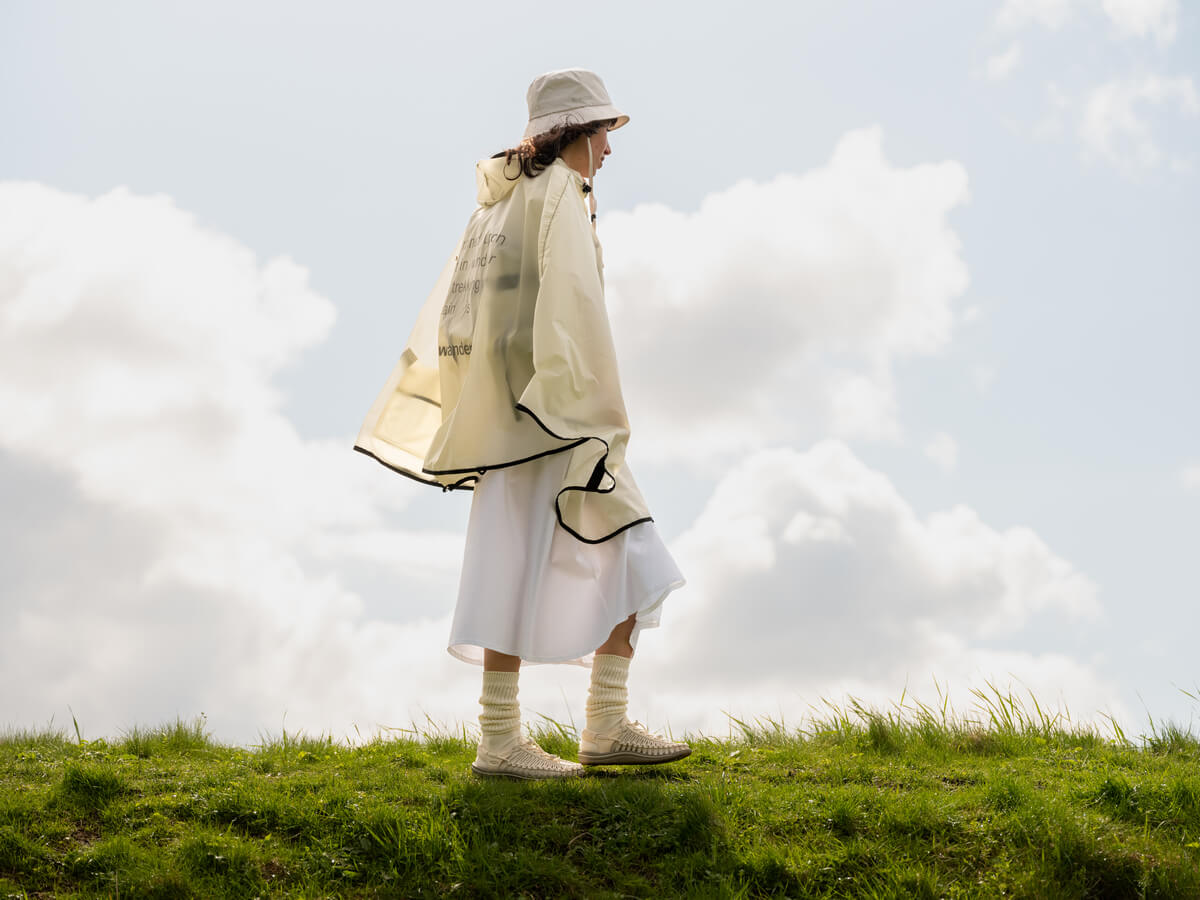
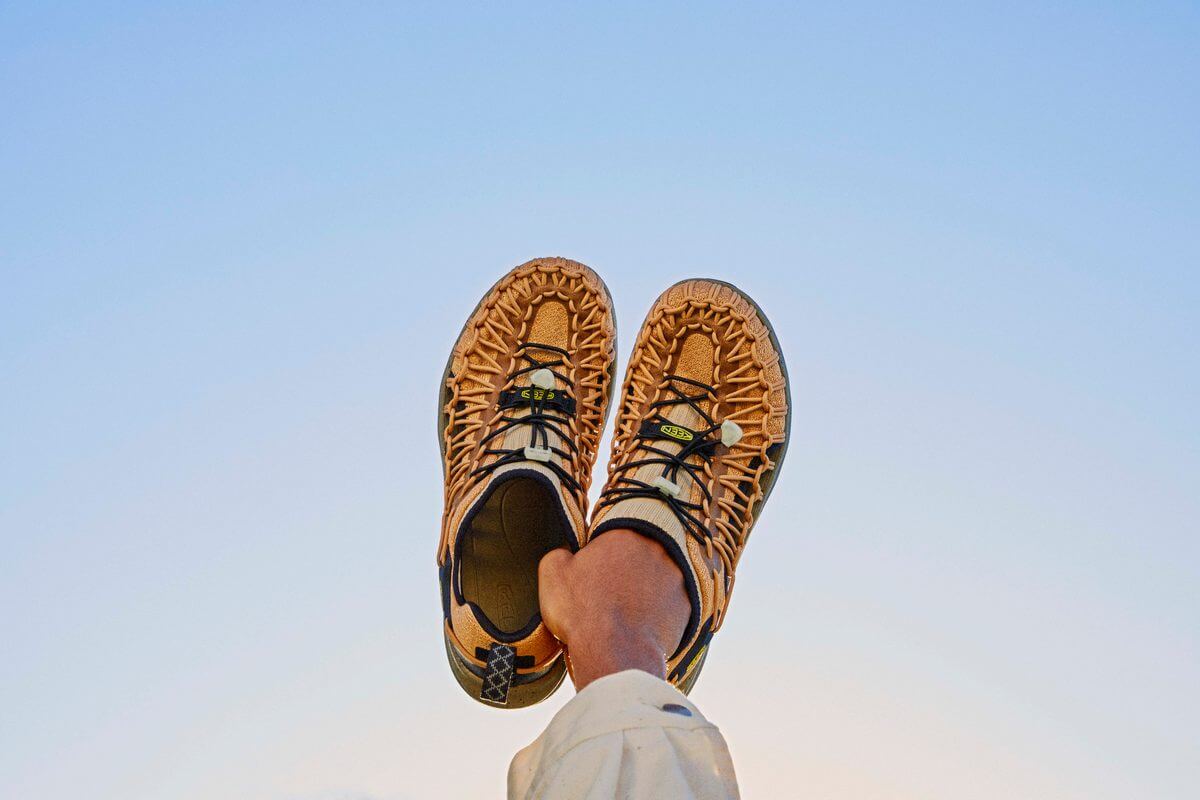
R: Uneek Slides. That’s basically the first collaboration we ever did. They’re about 8 years old. I’ve probably worn them for 500 days. I’ve worn down the sole at the heel, but the rest is still in pretty good shape.

A: What was the last pair of sneakers you bought?
R: (laughs) Not one of ours. But I can still tell you. I was at the Salomon store—since I’m heading to Switzerland afterward—and bought a pair of Salomon Genesis S/Lab. It’s a trail running shoe. So I figured I’d try them out in Switzerland. I run a lot.
A: Do you have a sneaker story you’d like to share?
R: I don’t know. There are plenty, since I’ve been in the industry for so long. One of my favorite stories is that I love to travel and shop.
A lot of people look at me and think I wear the same thing every day. I also rarely get my hair cut.
And now I’m here with my daughter. And when we arrived in Europe, she said, “Wow, Dad really loves to shop!”
I love going to Japan—Japan is the best—as well as Amsterdam, Spain, Italy, and parts of Germany. I just love walking around and looking at shoes for way too long.
A: How do you see the future of retail, especially brick-and-mortar stores?
R: Do I think it’s going to disappear? No, absolutely not. Will it ever be the way it used to be? Like before the internet?
The other day we were out for a walk, and my daughter saw this cool women’s sportswear, and she said, “That looks cool, let’s go in there.” It just looked like a cool store, and I wanted to check it out.
A: And if she’s on a website, is it any different?
R: Then I say, “That’s a cool website—check it out.” It happens on both sides. It might go down a bit, but who knows—maybe it’ll go up, too.
A: Rory, it’s been a pleasure—thank you so much for this opportunity!
R: Thank you!
Photos via KEEN